
Plant Nursery Tennessee: What to Look For and Why TN Nursery Delivers
When looking for a Tennessee plant nursery‚ you want plants that will thrive in clay soil and humidity swings‚ a fair price‚ and someone to answer the phone when your hydrangea doesn’t look right in July․ TN Nursery has cultivated plants on nearly 100 acres in Middle Tennessee for over 30 years‚ and we only grow plants that are suited to this region (not shipped from a grower in Oregon or Georgia and rebranded as ““regional””)․
This distinction is more important than most nursery websites explain․
How Tennessee’s climate actually determines what you should plant
Tennessee has three plant hardiness zones: 6a in the highland areas of East Tennessee‚ 6b/7a in the basin of Middle Tennessee‚ and 7b in Memphis and near the southern border․ A plant that grows well in Chattanooga may or may not perform admirably in Cookeville and vice versa․ And there’s our heavy clay soil which doesn’t drain and goes from waterlogged in the spring to concrete-hard by August․ Most out-of-state growers don’t take that into consideration when they grow their stock․
We propagate and harden off our plants right here‚ so they have already been exposed to our freeze-thaw cycles‚ our humidity spikes‚ and our dry spells before they ever leave the property․ A shrub that’s spent its whole life in a controlled greenhouse three states away hasn’t been tested against any of that․ That’s the real reason that ““locally grown”” matters․ Because it’s not sentiment‚ it’s survival rate․
What you’ll actually find at TN Nursery
We have several hundred varieties in our inventory‚ all indexed around what does well in this specific climate:
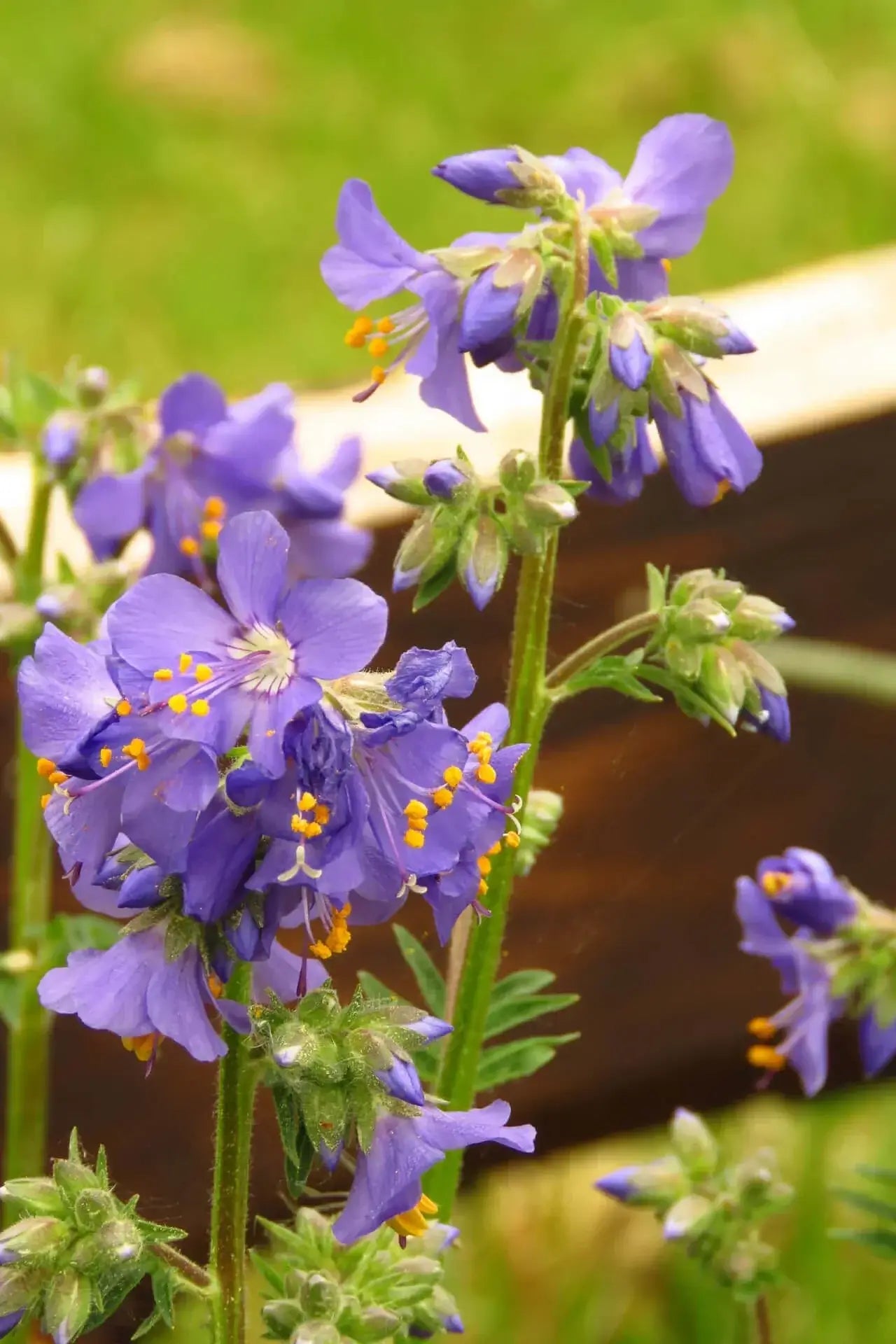
* Flowering shrubs (like hydrangea‚ rose of Sharon and lilac) that reliably bloom in season as opposed to only in the catalog * Native wildflowers‚ ferns‚ and grasses suitable for pollinator gardens (this matters if you’re trying to attract native bees and monarchs because imported ornamentals often don’t have the same bloom times) * Broadleaf evergreens impart strong structure to the winter garden‚ a key factor since Tennessee winters leave a landscape barren from November through March․ * Perennials‚ such as the iris‚ peony and blue cohosh‚ divided every 3 to 4 years‚ may flower again every year * Plants trained as espaliers for gardeners with fences‚ walls‚ or little space to grow
People will tell you to start with three or four anchor plants (one evergreen‚ one flowering plant and one native plant‚ etc․) on a new-bed planting rather than fill it out․ New gardeners can make the mistake of overplanting and fighting for space by year two․
The McMinnville Connection
If you’ve searched for nurseries in Tennessee you’ve probably seen that McMinnville’s slogan is the ““Nursery Capital of the World””․ And it’s hard to argue against it when Warren County has more than 400 wholesale nurseries within a 20-mile (32 km) radius․ The soil and water supply have allowed for nurseries in a very tight radius‚ a competitive advantage over the trucking of plants in from out of state․
We’re able to take advantage of that regional infrastructure and knowledge and set lower prices compared to the big boxes because we’re not paying long-haul freight costs or multiple middlemen markups․
When to plant in your region․
Spring planting in Middle Tennessee is generally recommended after the last frost‚ usually around mid-April‚ but can last into the first week of May in colder years․ In addition‚ shrubs and perennials may also have a better time being planted in the fall in Middle Tennessee․ Fall plantings can be done from mid-October to late November‚ when the soil is still warm enough to encourage roots to grow before summer heat occurs․
Water newly planted shrubs deeply twice a week for the first six weeks‚ not lightly every day․ A shallow root system leads to regular wilting during our dry spells in August․ After well-established‚ most of our well-adapted shrubs need water only during extended periods of drought of two weeks or more․
Pricing: Why Wholesale Makes a Real Difference
Because TN Nursery sells wholesale‚ you benefit from the savings‚ and you don’t pay the extra markup that retail garden centers add․ That doesn’t mean you buy poorly grown plants․ With TN Nursery‚ you buy plants that have been hand-picked and have been properly hardened‚ but you don’t pay the rent for a retail store․ We still do the hand-pruning‚ the integrated pest management‚ and the custom soil amendment work that produces a plant with fuller foliage and stronger root systems․ You’re just not paying retail markup for the privilege․
Support Does Not Stop Here
A plant that leaves our nursery healthy may decline if placed in the wrong spot and watered incorrectly for the first month․ We spend time on the front end helping customers figure out placement–for sun‚ drainage‚ soil pH‚ etc․–because a $30 shrub planted in the wrong spot is a $30 mistake‚ but a $30 shrub planted in the right spot can anchor a landscape for a decade or more․
If something goes wrong after the sale - the leaves start yellowing or dropping‚ the plant stops growing‚ they get an unexpected pest - we want to answer your questions‚ not see you guess and lose the plant․ That’s how we’ve built repeat customers over three decades․
Ready to See What Fits Your Landscape?
Whether you want to plant a whole foundation bed or only three or four plants to fill a hole in your landscape‚ TN Nursery grows its inventory based on what grows well in Tennessee‚ not what looks good in a plant catalog․ Call TN Nursery at 931-692-4252 to discuss your project or to schedule a time to visit us on site at the nursery to see the plants you’re purchasing in person․


