Pin Oak: A Shade Tree for Wet Soil That Grows Fast
If your yard holds water or stays heavy with clay, we plant Pin Oak for broad summer shade, quicker growth, and easier long-term care in real home landscapes.
How to choose the right shade tree for wet soil?
- Pin Oak handles moist, compacted, and low-lying yard conditions better than many common landscape trees.
- We focus on moisture tolerance, mature size, shade value, upkeep, and USDA zone fit before you plant.
- You’ll see clear comparisons with other oaks, including swamp white oak and black oak tree traits.
- We also cover understory ideas for shaded ground, including moss and other shade-ready plantings.
Our Top Pick for a Shade Tree for Wet Soil
Pin Oak for Faster Canopy and Moist-Site Success
If your yard stays damp after rain, our Pin Oak Trees give you a practical way to add long-term shade without fighting the site. This oak grows fast, handles moist ground better than many oaks, and reaches about 50 to 70 feet tall with a 40 to 60 foot spread. Keep in mind that it does best in acidic soil and full sun, and it is not the right fit for alkaline ground because chlorosis can become a problem.
- Fast-growing oak for full-sun planting, with mature size around 50 to 70 feet tall and 40 to 60 feet wide
- Handles higher soil moisture than many oaks, making it a strong pick among trees for moist soil
- Supports birds and other wildlife with acorns, while helping create shade garden space under the canopy
Planting and Managing Shade Trees in Damp Yards
If you need a shade tree for wet soil, start with the site, not the shovel. We want to know how your yard behaves after a hard rain. Watch where water sits for 24 hours, where it drains by morning, and where the ground stays sticky for days. That tells us whether you have seasonal moisture, chronic sogginess, or plain old compaction.
How to choose the right shade tree for wet soil?
Check three things first: water, texture, and sun. Dig a small test hole, squeeze the soil in your hand, and note whether it feels gritty, silky, or heavy like clay. Then count your direct sun hours, because Pin Oak and swamp white oak both need full sun to build a broad canopy.
Trees for moist soil: what to check before planting
- Seasonally moist: Water drains within a day or two after storms.
- Chronically soggy: Puddles linger and roots may struggle for oxygen.
- Compacted soil: Water runs off fast, then sits on the surface.
- Poor drainage: The subsoil stays wet even when the top looks dry.
Soil pH matters more than many gardeners expect. Pin Oak handles acidic ground well, but in higher pH soil it can yellow from iron chlorosis. If your soil trends alkaline, keep that in mind before planting. This is also where basic oak tree identification helps, since not every oak handles damp ground the same way, and a black oak tree is usually less suited to wet spots.
Planting a low-maintenance shade tree in spring and summer 2026
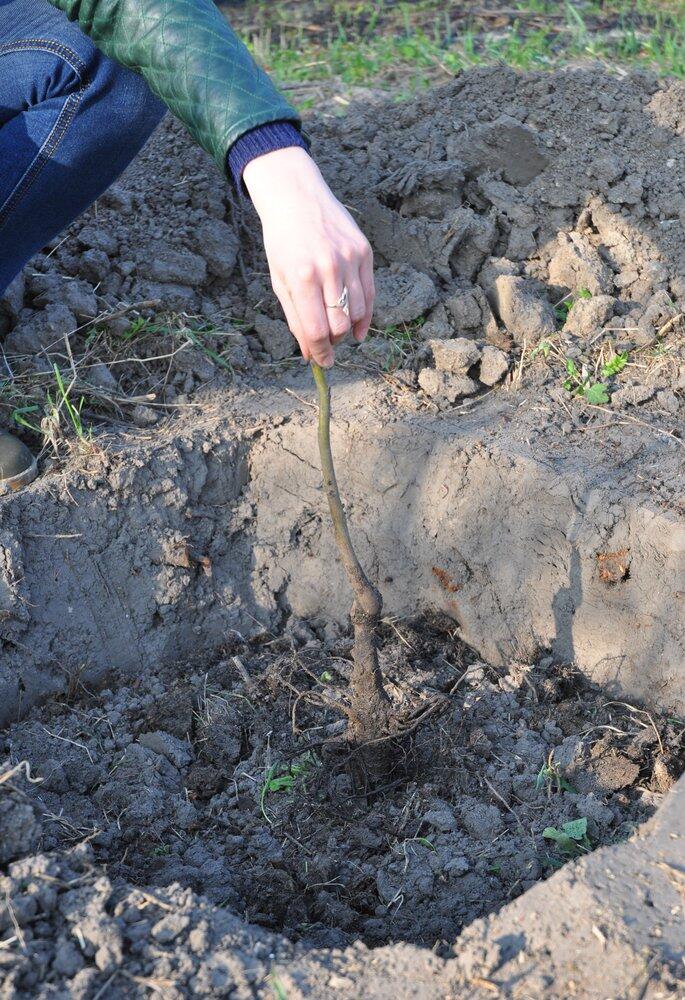
- Dig a hole two to three times wider than the root mass, but no deeper.
- Set the root flare slightly above grade so the trunk does not stay buried.
- Mulch 2 to 3 inches deep, and keep mulch off the bark.
- Water deeply during establishment, especially in hot summer weeks.
- Avoid heavy fertilizer. Oaks usually need steady moisture, not a nitrogen push.
Wet yards can grow strong shade trees, but only when the roots get oxygen as well as water.
What are the best shade tree for wet soil to buy?
We group them by site conditions. For broad canopies, browse our shade trees for wet soil collection. If you are planting for long-term structure or restoration, our trees for moist soil oak seedlings collection fits that job well.
Designing under mature shade
Grass can work in filtered light, but the best grass for shade still struggles where roots, moisture, and low sun all meet. In those spots, we usually get better results with mulch beds, ferns, groundcovers, or shade moss for low-light wet areas. And if you are planning the whole space, moisture-friendly landscapes often benefit from companion trees, erosion support, and productive groundcover options from our Native Trees collection.
Plan Beyond One Tree: Trees for Moist Soil and Slope Support
If you're building a durable yard, start with the right canopy and the right support plants. We grouped these picks to help you match wet spots, broad shade, and erosion-prone ground with practical, zone-aware choices.
Frequently Asked Questions
Is Pin Oak the best shade tree for wet soil?
For many yards, yes. We usually point to Pin Oak when you need broad summer shade and a tree that handles ground that stays damp after rain. It adapts better to moist sites than many upland oaks do. But keep one thing in mind. Wet soil still needs some oxygen, so we do not suggest planting any oak where water stands for long periods without draining at all.
How fast does Pin Oak grow?
Pin Oak is widely planted as a fast-growing shade tree because it puts on size sooner than slower, heavy-limbed oaks. You can expect a quicker jump in height during its early years if you plant it in full sun and keep the root zone evenly moist. Growth will slow if the site is compacted hard or stays bone dry in summer.
What is the difference between Pin Oak and swamp white oak in moist ground?
Both work in trees for moist soil, but they do not give the same look. Pin Oak tends to form a more upright shape with lower branches that angle down when young. Swamp white oak usually reads broader and heavier. If you want a cleaner, more formal street-tree outline, Pin Oak is often the better pick. If you want a more rugged native character, swamp white oak has that look.
How can I tell Pin Oak apart from a black oak tree?
Start with the site and the leaf shape. Pin Oak is more at home in lower, wetter ground, while black oak usually prefers better-drained soil. Pin Oak leaves have deeper, sharper lobes and a more cut-out look. Black oak leaves often look thicker and less finely divided. If you are working on oak tree identification before you buy, that habitat clue helps a lot.
Can I plant grass or groundcover under a mature oak canopy?
Yes, but choose with care. Once an oak canopy fills in, the ground gets dry in some spots and root-heavy in others, even in a yard that starts wet. That is why the best grass for shade can still struggle under big surface roots. We usually tell customers to expect better results from Shade Moss in those dim, root-packed areas where turf stays thin and patchy.
What should I expect after ordering from TN Nursery?
We ship all items by 3-4 day ground shipping. We do not offer refunds, and we do not accept returns. If there is a problem, we may offer a reshipment if the item is available, an extended warranty on a plant, or in-store credit if that product is out. You can reach us at customerservice@tennesseewholesalenursery.com or write to Tennessee Wholesale Nursery, 12847 State Route 108, Altamont TN 37301, United States.
Do your trees come with a warranty?
Not automatically. We do not offer a warranty on any product unless you purchase an extended warranty at the time of order. So, if warranty coverage matters to you, add it when you place the order. If you need help before buying, contact us and we will explain what is available.
Conclusion
Key Takeaways
- Choose Pin Oak first for low areas, damp yards, and soils that stay moist after rain.
- Pin Oak gives faster shade and dependable wildlife value with modest upkeep after establishment.
- Use Overcup Oak for prolonged wet ground, Bur Oak for very large spaces, and Chestnut Oak for better-drained sites.
- Match your tree to your zone and site conditions before planting.