
Perennial Planting Strategies That Actually Work in Tennessee Gardens
There is a trick to pulling off a perennial bed from March through November: planting for bloom succession‚ height‚ and knowing which plants work in which zone in Tennessee (mostly 6b‚ 7b‚ depending on your location in the state)․ If you can get these three things down‚ then you won't really need to worry about the rest․
Start With Your Zone‚ Not Your Wish List
Before you buy a single plant‚ you need to know your gardening zone․ Zone 7a covers most of Middle Tennessee‚ while the mountains of East Tennessee may be in zone 6b․ West Tennessee is generally 7b‚ but a perennial that will reliably survive a winter in Memphis may not survive the colder microclimates of Knoxville‚ especially not if there is a hard frost at the end of April‚ which actually happens more often than many gardeners would credit․
Tennessee has a problem with heavy clay soil․ Pure clay does not drain well and can bind roots that require air․ If this is your soil type (and many yards in the Middle Tennessee area are)‚ amend your beds with compost before you plant‚ or plant perennials (daylilies‚ black-eyed Susans‚ etc․) that tolerate heavy soil without complaint․
Build a Bloom Calendar‚ Not Just a Plant List
The problem is not picking a wrong plant‚ but that in May everything is in bloom at once and by July‚ the bed is flat․ Plan for three or four overlaps of bloom periods․
Early spring (March and April)․ Daffodils and crocus bloom‚ even at night when nighttime temperatures drop into the 30s․ They are reliable in all zones of Tennessee‚ will return each year‚ and will often become established in a few seasons․
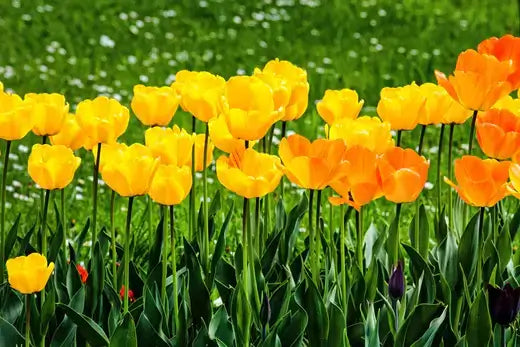
Late spring (April and May): Tulips and hyacinths follow․ In Tennessee‚ tulips are often treated as annuals‚ as the humid southern summer is not well suited to their bulbs․ If you want a nonstop perennial color bomb‚ a Yellow Tulip planting combined with early daylilies will close the divide and provide continual waking color over time‚ without the bother and expense of replanting tulips every single year․
Summer (June to August): Coneflowers‚ black-eyed Susans‚ and daylilies dominate the scenes․ Red Daylily is about as low-maintenance as perennials get in this region: it multiplies fast‚ and is unaffected by fungal infections even in Tennessee's steamy summer heat․ Each flower lasts only one day‚ but you won't even notice when one has faded because they all bloom at once․
Typically, the season ends with sedums‚ asters, and chrysanthemums from late summer to November․ Sedum 'Autumn Joy' in particular often holds its shape into the winter‚ providing more to look at after the first freeze․
Drawing this out on paper helps you avoid buying too many plants for the same season․ Consider a simple 4-column chart with spring‚ late spring‚ summer‚ and fall‚ and choose 3 or 4 plants each season․
Adds height and texture‚ not just color․
If all flowers in a bed are the same height‚ it looks flat‚ regardless of flower color or shape․ Aim for three layers․
- Back or center (24+): Hollyhocks‚ delphiniums‚ or other high ornamental grasses - Middle (12-24): Coreopsis‚ salvia‚ daylilies - Front or edge (under 12): creeping phlox‚ sedum‚ low growing groundcovers
Of equal importance to color will be the texture of the plant foliage․ Hostas (shown in the photo) thrive in Tennessee shade (under old oaks or on the north side of the house) and are available in many different leaf colors‚ from blue/green to chartreuse‚ and variously variegated․ The broad leaves of hostas paired with the fine texture of blue fescue grass make a bed that looks like it was planned‚ not an accident․
Plant in Drifts‚ Not Rows
Single plants scattered around a bed almost always look scattered․ Planting perennials in odd numbers (three‚ five‚ seven) imitates the kind of natural drift common in well-designed landscapes․ It also makes it easier on the gardener because the plants in a cluster share similar watering and light requirements‚ so you're not zigzagging a hose across the bed six different times․
This is particularly true of daylilies‚ where a single specimen of Red Daylily may look fine‚ but five of them in a loose cluster near a garden's walkway or fence line read as an intentional design choice․
Match Plants to Actual Sun and Soil‚ Not Hope
This is where many first-time perennial gardeners lose a lot of money․ Walk the yard and actually note where the sun hits․ In full sun‚ which is 6 or more hours of direct sun per day‚ the sun reaches the plant directly․
In hot and dry places (much of the slopes and most south-facing beds)‚ lavender and yarrow are drought-tolerant once established‚ usually after one complete growing season․ In shady places‚ where there is regular moisture (as under broad tree canopies in East Tennessee)‚ hostas and ferns are close to foolproof․
Unsure? Dig a 1-foot-deep (300 mm) hole‚ fill it with water‚ and wait to see how long it takes for the soil to drain: an hour or so indicates good drainage․ In several hours‚ you'll want drought-tolerant‚ wet-soil-adapted plants or some drainage work before you can plant․
Establishing a New Perennial Bed: A Timeline
Don't expect a glorious‚ lush look the first year; most perennials follow the sleep‚ creep‚ leap pattern‚ putting little energy into growth first to get roots established‚ accelerating into moderate growth the second year‚ and reaching full size by the third․ Daylilies are an exception and may bloom the first year after planting‚ if planted early in spring․
In fact‚ fall (September through early November in Tennessee) is better for many perennials‚ since roots grow in cooler air and warm soil before the stress of summer heat․
Putting It Together
The best gardens that photograph well and look good all year round aren't rocket science․ They're gardens that have been planned with five key principles in mind: a bloom calendar‚ graduated heights‚ odd numbers‚ and the truth about your sun and soil․ Digging and planting is only the start․ A few good perennials such as a Red Daylily group‚ some hostas in the shade‚ and some yellow tulips are better than a mixture of plants thrown together․
"

