
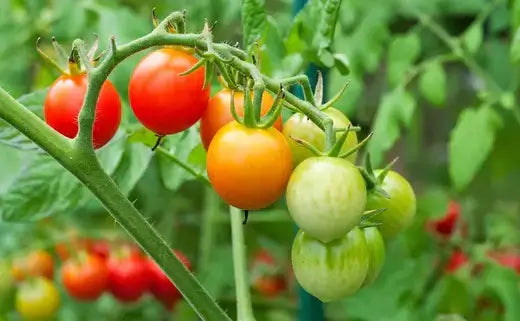
Exploring the Benefits of Organic Food
The discussion between organic and conventional agriculture continues in today's fast-paced world of food processing and advancements in agriculture technology but it is not necessarily limited to which form of agriculture produces the best food to fuel human bodies‚ it involves human health‚ planetary health‚ and the sustainability of the planet․ Organic farming‚ which is intrinsically a more natural way of farming and having a lower environmental impact‚ is perceived to be the clearer and better path towards a sustainable food system by the organic farming movement․ This article discusses whether organic farming is preferable to conventional farming by researching organic farming health effects‚ the environmental impacts of conventional farming‚ the sustainability of organic farming‚ the cost of organic farming and the availability of organic food on a local level․
Organic Fruits and Vegetables have a Higher Density of Nutrients
The most common reason for purchasing organic products is the perception that the products are healthier than conventional products․ Studies have generally shown that organic fruits and vegetables have a higher density of nutrients than conventional produce․ Some of the reasons for this may be the healthy conditions of the organic soil‚ and the holistic farming systems used to grow organic foods‚ which should be more biodiverse than conventional farming systems․ Organic foods are also more likely to be produced without the use of synthetic pesticides‚ herbicides‚ and fertilizers․ For consumers who include organic food in their approach to maintaining health and preventing disease‚ organic food is not part of a pop fad‚ but the natural outcome of their wellness strategies․ Additional research is needed‚ but organic dairy and organic meat products have been shown to contain higher concentrations of omega-3 fatty acids‚ which are associated with cardiovascular health․
As long as we are talking about the production of food‚ it is important to note that conventional methods often rely on the use of chemical fertilizers and pesticides․ These can lead to soil degradation‚ water pollution‚ and a reduction in biodiversity․ Conventional intensive agriculture methods include monoculture which depletes the soil's nutrients and makes it less hospitable to other lifeforms․ Organic methods often include agricultural practices such as crop rotation‚ polyculture and biological pest control in harmony with nature or symbiotically with nature‚ as opposed to conventional agriculture which has been considered to seek to dominate and conquer nature․ Organic agriculture can help to restore and maintain the natural balance which will restore and help conserve the soil‚ water‚ plant‚ animal and human resources to produce food․ Organic agriculture can contribute to slowing the degradation of our global environment and preserving it for future generations of plants‚ animals and humans․
The concept of sustainability is a primary consideration in the discussion of organic agriculture․ Sustainability may refer to the environmental‚ social and economic aspects of the long-term viability of environmental resources․ Organic production can be used as a step toward practices that are more compatible with the ecological health of the systems in which they occur․ For example‚ organic farm soil can be improved with compost and cover crops‚ and less tillage is often used to reduce some of the climatic effects of agriculture․ Additionally‚ organic can be understood as reaching out and forming closer ties with local communities and using labor practices that support regional economies and equal treatment of workers‚ as part of an understanding that organic is about a whole system that values sustainable relationships and socio-economic justice across the board․ The necessity of allowing food production systems to adapt to changing climatic factors while reducing reliance on finite resources suggests that organic production is part of the shift to a more sustainable agricultural system․
Why Organic Products Can Be Priced Higher
Price is one of many factors that influence consumer behavior concerning whether or not to buy organic foods․ Organic foods are generally assumed to be more expensive than non-organic foods‚ which has implications for their accessibility․ There are many reasons for price differences․ Typical changes include lower yields per acre‚ more labor-intense farming practices‚ and costly certification processes․ However‚ the debate between organic and conventional food involves more than price; it also covers the long-term effects of choosing organic over conventionally farmed food․ If organic food consumption produces better health and lower healthcare costs in the future‚ the higher upfront costs of organic foods could be understood as a long-term investment․ Consumers have also come to see the value of promoting environmental stewardship and ethical treatment of farmers․ The cost of organic foods could include social and environmental costs that the conventional food production system does not take into account․
A further consideration is the trend toward more local sourcing within organic production․ Farmers' markets‚ community supported agriculture (CSAs) and local organic farms are becoming more popular as consumers realize the value of locally grown foods as well as providing an increase for local economies․ Food miles may be reduced by purchasing food from local suppliers‚ which also often results in a product that is fresher and potentially more nutritious than a product imported from outside the local area․ With local farmers‚ consumers may learn more about how food is produced while supporting local sustainable agriculture․ A sense of food identity may reinforce positive attitudes toward food while fostering sustainable consumption and contributing to food security․ Communities which have positive and strong agricultural systems are less vulnerable to economic and environmental shocks‚ and also more likely to be food secure․
The question of whether organic is better or not cannot be fully answered without first considering the health‚ environmental‚ sustainable‚ and local aspects of the organic versus conventional agriculture debate․ The health advantages of organic products are great enough to produce an overall advantage for individuals‚ and the environmental benefits may be a necessary trade-off for the negatives of conventional farming methods․ The cost of organic foods is still high‚ limiting many consumers‚ yet consumer awareness of the benefits of organic foods‚ supporting a local farmer‚ and sustainable growing practices has gained some ground in recent years․ Living a more sustainable lifestyle by using organic growing methods not only benefits personal health‚ but the health of future generations․ In the end though‚ being organic is more than just a decision of what goes into your body․ It is a commitment to health‚ ethics‚ and community in a world that needs it․


