The best time to plant native trees in most U.S. states is early fall, roughly six to eight weeks before the area's average first freeze, with spring planting starting once the last freeze has passed. This 50-state calendar lists each state's median freeze dates from NOAA's 1991–2020 Climate Normals and the fall and spring planting windows they point to.
Every date comes from National Oceanic and Atmospheric Administration (NOAA) weather-station records, and the timing rules come from university extension research. If you want to see how the calendar fits into a full year of yard work, our seasonal guide to planting trees and shrubs walks through each season in more detail.
When should I plant trees in my state?
Find your state in the table: the fall window is the stretch of late summer and early fall that gives roots six to eight weeks of mild weather before the first freeze, and the spring column shows the median date after which a hard frost becomes less likely than not. Each state is represented by one major NOAA weather station, so treat the dates as a starting point and adjust for your own elevation and terrain.
| State | Reference city | Median last spring freeze (32°F) | Median first fall freeze (32°F) | Frost-free days | Best fall planting window | Spring planting starts |
|---|---|---|---|---|---|---|
| Alabama | Birmingham | Mar 21 | Nov 11 | 235 | Sep 12 to Sep 30 | From Mar 21 |
| Alaska | Anchorage | May 5 | Oct 1 | 149 | Aug 2 to Aug 20 | From May 5 |
| Arizona | Phoenix | Jan 5 | Jan 3 | 363 | Nov 4 to Nov 22 | From Jan 5 |
| Arkansas | Little Rock | Mar 21 | Nov 10 | 234 | Sep 11 to Sep 29 | From Mar 21 |
| California | Sacramento | Feb 2 | Dec 2 | 303 | Oct 3 to Oct 21 | From Feb 2 |
| Colorado | Denver | May 5 | Oct 9 | 157 | Aug 10 to Aug 28 | From May 5 |
| Connecticut | Hartford | Apr 21 | Oct 16 | 178 | Aug 17 to Sep 4 | From Apr 21 |
| Delaware | Wilmington | Apr 7 | Nov 1 | 208 | Sep 2 to Sep 20 | From Apr 7 |
| Florida | Tallahassee | Mar 11 | Nov 21 | 255 | Sep 22 to Oct 10 | From Mar 11 |
| Georgia | Atlanta | Mar 15 | Nov 20 | 250 | Sep 21 to Oct 9 | From Mar 15 |
| Hawaii | Honolulu | None recorded | None recorded | Year-round | Any month, with steady watering | Any month |
| Idaho | Boise | Apr 24 | Oct 21 | 180 | Aug 22 to Sep 9 | From Apr 24 |
| Illinois | Chicago | Apr 16 | Oct 28 | 195 | Aug 29 to Sep 16 | From Apr 16 |
| Indiana | Indianapolis | Apr 15 | Oct 26 | 194 | Aug 27 to Sep 14 | From Apr 15 |
| Iowa | Des Moines | Apr 18 | Oct 20 | 185 | Aug 21 to Sep 8 | From Apr 18 |
| Kansas | Wichita | Apr 11 | Oct 29 | 201 | Aug 30 to Sep 17 | From Apr 11 |
| Kentucky | Louisville | Mar 31 | Nov 7 | 221 | Sep 8 to Sep 26 | From Mar 31 |
| Louisiana | Baton Rouge | Feb 25 | Nov 26 | 274 | Sep 27 to Oct 15 | From Feb 25 |
| Maine | Portland | Apr 26 | Oct 15 | 172 | Aug 16 to Sep 3 | From Apr 26 |
| Maryland | Baltimore | Apr 10 | Oct 31 | 204 | Sep 1 to Sep 19 | From Apr 10 |
| Massachusetts | Boston | Apr 4 | Nov 9 | 219 | Sep 10 to Sep 28 | From Apr 4 |
| Michigan | Detroit | Apr 20 | Oct 27 | 190 | Aug 28 to Sep 15 | From Apr 20 |
| Minnesota | Minneapolis | Apr 23 | Oct 18 | 178 | Aug 19 to Sep 6 | From Apr 23 |
| Mississippi | Jackson | Mar 14 | Nov 14 | 245 | Sep 15 to Oct 3 | From Mar 14 |
| Missouri | St. Louis | Apr 2 | Nov 4 | 216 | Sep 5 to Sep 23 | From Apr 2 |
| Montana | Helena | May 9 | Sep 30 | 144 | Aug 1 to Aug 19 | From May 9 |
| Nebraska | Omaha | Apr 18 | Oct 21 | 186 | Aug 22 to Sep 9 | From Apr 18 |
| Nevada | Reno | Apr 20 | Oct 23 | 186 | Aug 24 to Sep 11 | From Apr 20 |
| New Hampshire | Concord | May 8 | Oct 3 | 148 | Aug 4 to Aug 22 | From May 8 |
| New Jersey | Newark | Apr 2 | Nov 10 | 222 | Sep 11 to Sep 29 | From Apr 2 |
| New Mexico | Albuquerque | Apr 6 | Nov 3 | 211 | Sep 4 to Sep 22 | From Apr 6 |
| New York | Albany | Apr 27 | Oct 15 | 171 | Aug 16 to Sep 3 | From Apr 27 |
| North Carolina | Raleigh | Mar 31 | Nov 4 | 218 | Sep 5 to Sep 23 | From Mar 31 |
| North Dakota | Bismarck | May 14 | Sep 27 | 136 | Jul 29 to Aug 16 | From May 14 |
| Ohio | Columbus | Apr 18 | Oct 27 | 192 | Aug 28 to Sep 15 | From Apr 18 |
| Oklahoma | Oklahoma City | Apr 4 | Nov 2 | 212 | Sep 3 to Sep 21 | From Apr 4 |
| Oregon | Portland | Mar 13 | Nov 19 | 251 | Sep 20 to Oct 8 | From Mar 13 |
| Pennsylvania | Philadelphia | Apr 2 | Nov 10 | 222 | Sep 11 to Sep 29 | From Apr 2 |
| Rhode Island | Providence | Apr 11 | Oct 30 | 202 | Aug 31 to Sep 18 | From Apr 11 |
| South Carolina | Columbia | Mar 25 | Nov 7 | 227 | Sep 8 to Sep 26 | From Mar 25 |
| South Dakota | Sioux Falls | May 1 | Oct 6 | 158 | Aug 7 to Aug 25 | From May 1 |
| Tennessee | Nashville | Mar 31 | Nov 3 | 217 | Sep 4 to Sep 22 | From Mar 31 |
| Texas | Dallas-Fort Worth | Mar 8 | Nov 24 | 261 | Sep 25 to Oct 13 | From Mar 8 |
| Utah | Salt Lake City | Apr 8 | Oct 31 | 206 | Sep 1 to Sep 19 | From Apr 8 |
| Vermont | Burlington | Apr 29 | Oct 15 | 169 | Aug 16 to Sep 3 | From Apr 29 |
| Virginia | Richmond | Apr 3 | Nov 4 | 215 | Sep 5 to Sep 23 | From Apr 3 |
| Washington | Seattle | Mar 2 | Nov 23 | 266 | Sep 24 to Oct 12 | From Mar 2 |
| West Virginia | Charleston | Apr 16 | Oct 26 | 193 | Aug 27 to Sep 14 | From Apr 16 |
| Wisconsin | Milwaukee | Apr 19 | Oct 29 | 193 | Aug 30 to Sep 17 | From Apr 19 |
| Wyoming | Cheyenne | May 12 | Oct 1 | 142 | Aug 2 to Aug 20 | From May 12 |
Dates are medians from NOAA's National Centers for Environmental Information (NCEI) for a 32°F low. Mountain valleys, high plains and rural low spots usually freeze earlier in fall and later in spring than the airport stations used here, while big-city centers, coasts and large lakes run milder.
Why is fall the best time to plant trees?
Fall planting works because the air is cool while the soil is still warm, so a young tree spends its energy on roots instead of leaves. University of New Hampshire Extension notes that roots keep developing after top growth stops, until soil temperatures drop below about 40°F.
Cooler days also mean leaves lose far less water, autumn rain helps with watering, and a tree that rooted in over fall greets spring with an established root system already working for it.
Here in Tennessee, home of our nursery in Altamont, the median first freeze at Nashville is November 3, which puts the best fall window in September. The state's wildlife agency keeps planting dormant bare-root seedlings through the winter months, as covered below.
How late in the fall can you plant a tree?
Plan to finish at least six weeks before your median first freeze. West Virginia University Extension recommends planting about two months ahead of the first average frost and no later than six weeks before it, which is how the "best fall planting window" column in our chart is calculated (60 days to 42 days before the freeze date).
If you miss that window, you have two good options. In mild-winter areas, dormant trees can still go in as long as the ground is workable and you water through dry spells. In colder states, it is usually wiser to hold your order for spring. WVU Extension also suggests about 1 inch of water per week for new plantings during a dry fall.
When should you plant trees in spring?
Start spring planting once your median last freeze date has passed and the soil has warmed into roughly the upper 40s to mid 50s°F. WVU Extension advises pulling winter mulch back at least 10 days ahead so the sun can warm the ground faster. Spring is the better choice in places where an early fall freeze is common, such as the northern Plains, the Rockies, northern New England and Alaska.
Remember that NOAA's median date is a 50-50 point: according to NOAA's Climate.gov, past that date a freeze becomes less likely than not, but it can still happen. For fruit trees, our guide to protecting fruit trees from frost and these low-cost frost protection ideas will help you through a surprise cold night.
Which native trees should be planted in fall versus spring?
Most deciduous native trees do well in fall, while evergreens and trees with deep taproots tend to settle in better in spring. UNH Extension lists magnolia, tuliptree, oak and ginkgo among the taproot trees that benefit from spring planting, along with evergreens like arborvitae and rhododendron that keep losing water through winter.
Good choices for fall planting
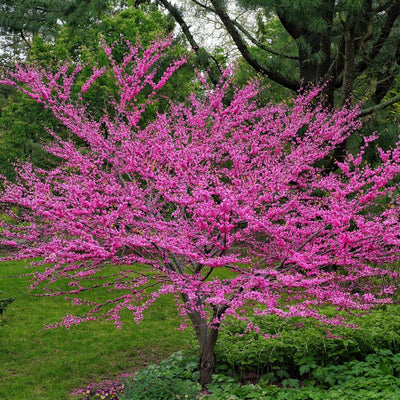
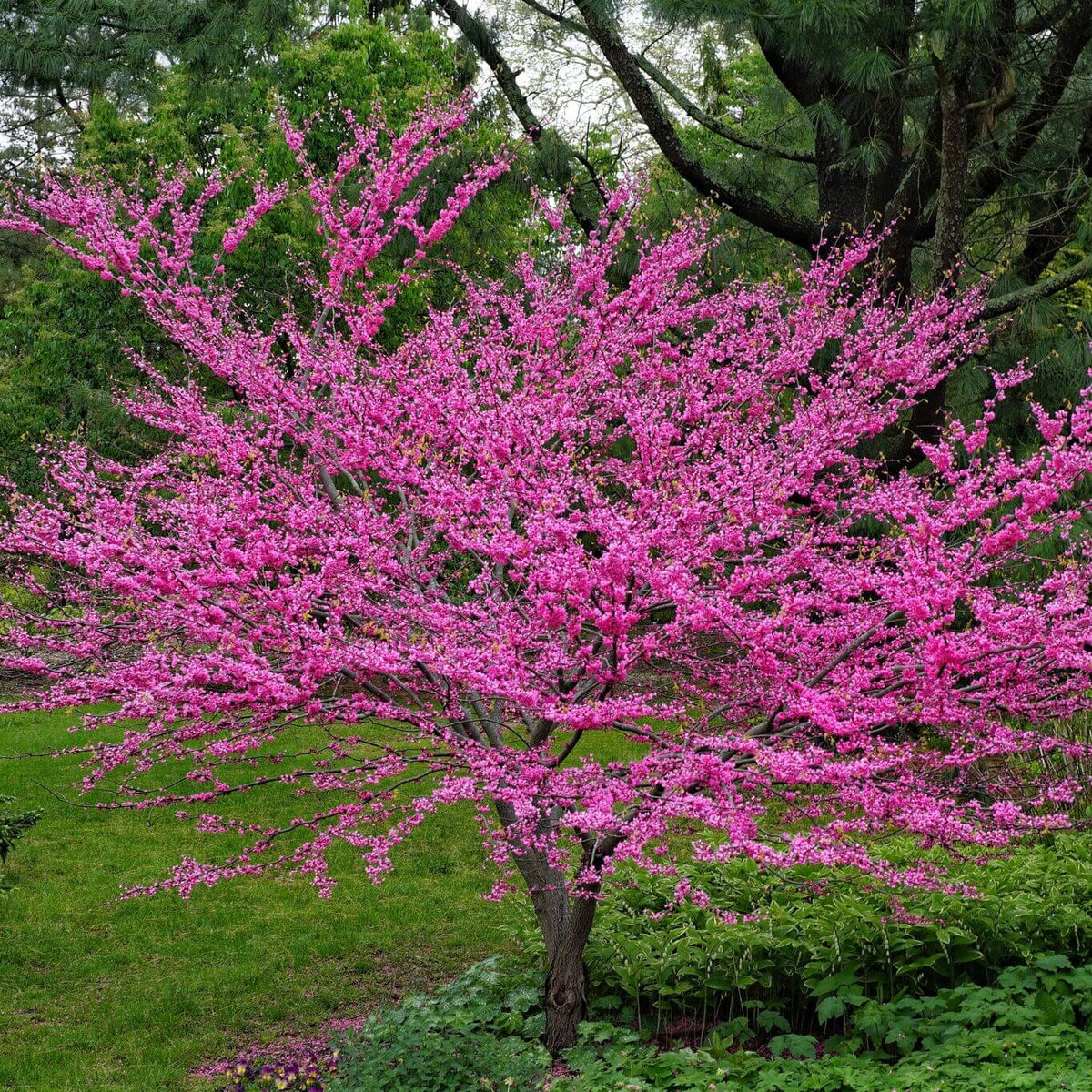
- Eastern redbud (Cercis canadensis). An early spring bloomer for zones across the East. We have grown more than 200,000 redbuds, and both the Eastern Redbud Tree and our redbud seedlings ship in the dormant season.
- Red maple (Acer rubrum) and sugar maple (Acer saccharum). Dependable shade and strong fall color. See the Red Maple Tree and Sugar Maple Tree.
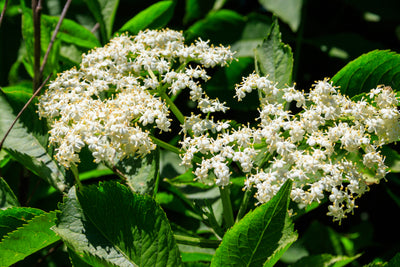
- Elderberry (Sambucus canadensis). A native shrub for birds and pollinators; the Elderberry settles in quickly when planted while dormant.
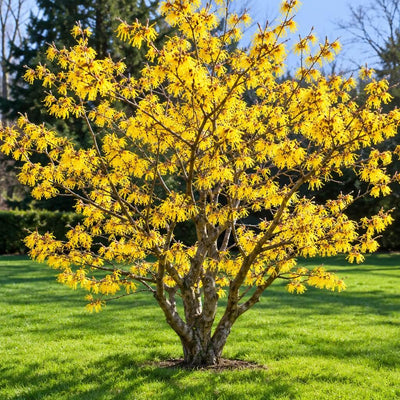
- American witch hazel (Hamamelis virginiana). It blooms in late fall itself, so the Witch Hazel is right at home going into the ground that time of year.
Trees many growers save for spring
- Oaks. Their taproots reward spring planting, especially in colder states. Consider the Red Oak Tree or the hardy Bur Oak Tree.
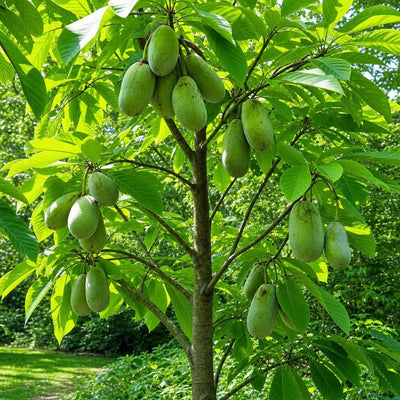
- Pawpaw (Asimina triloba). Many growers plant pawpaw in spring as well. It is our number one selling tree; we grow about 2 million pawpaw trees a year from about 2 tons of seed, and spring-planted Pawpaw Trees and pawpaw seedlings do well in zones 5 to 8.
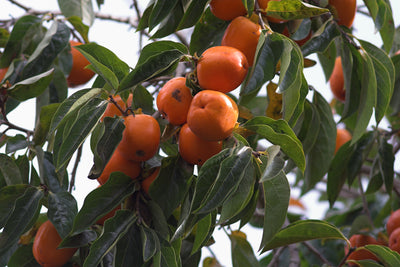
- American persimmon (Diospyros virginiana). Another native fruit tree with a deep root; the Persimmon Tree is a strong spring candidate in colder areas.
Browse the full range in our native trees collection, or look at tree seedlings if you are planting a larger area on a budget.
When do you plant bare-root tree seedlings?
Plant bare-root seedlings while they are fully dormant, from late fall through late winter in the South and as soon as the ground thaws in the North. The Tennessee Wildlife Resources Agency (TWRA) plants bare-root seedlings from about mid-December to mid-March, choosing cool days between 35°F and 60°F and stopping once air temperatures reach 75°F.
- Keep seedlings cool, shaded and out of the wind until the moment you plant.
- Keep the roots moist but not soaked; TWRA stores bags at 35–38°F with high humidity.
- Open bags only when you are ready to plant, and limit the time roots are exposed to air.
- Water each seedling in well after planting.
Working out how many to order? Our tree and shrub calculator does the spacing math for you.
Do frost dates and hardiness zones mean the same thing?
No. Frost dates tell you when to plant, while USDA Plant Hardiness Zones tell you which trees will survive your average coldest winter night. You need both: choose a tree rated for your zone, then time the planting with the calendar above. To see how recent map updates affect your choices, read what the new hardiness zone map means for tree planting.
How we made this guide
We pulled the median (50 percent probability) dates of the last spring and first fall 32°F freeze for one major weather station in each state from NOAA NCEI's 1991–2020 U.S. Climate Normals. Frost-free days are the count between those two dates. The fall planting window runs from 60 days to 42 days before the median first freeze, following West Virginia University Extension's two-month and six-week guidance, which matches UNH Extension's six-week minimum. Spring planting starts on the median last freeze date, per WVU Extension. Honolulu's station records no 32°F freeze in the normals period. Phoenix's medians fall in early January because freezes there are uncommon.
The planting notes reflect our own experience as a family-owned, third-generation nursery founded in 1959 by Roscoe Tate. We grow on 170 acres in Altamont, Tennessee, and have supplied plants to landmarks including the Washington Monument and Arlington National Cemetery.
Reviewed by the TN Nursery growing team, November 16, 2026.
Share this guide
Teachers, garden bloggers, master gardener programs, native plant societies and community organizations are welcome to use this planting calendar and its 50-state table in lessons, newsletters and websites. All we ask is a credit to TN Nursery with a link back to this page so readers can find the full 50-state table and sources.
Frequently Asked Questions
When is the best time to plant native trees?
For most of the United States, early fall is the best time, about six to eight weeks before your first fall freeze. Cool air and warm soil let roots grow while the tree uses little water. Spring, after the last freeze, is the next-best window.
How late in the fall can I plant a tree?
Aim to finish at least six weeks before your area's median first freeze. Roots keep growing until the soil cools below about 40°F, so that cushion gives them time to anchor before the ground gets cold.
Should I plant trees before or after the last frost in spring?
Plant once your median last freeze date has passed and the soil has warmed into the upper 40s to mid 50s°F. Pulling mulch back about 10 days before planting helps the soil warm faster.
Which trees are better planted in spring?
Evergreens and trees with large taproots, such as oaks, magnolias, tuliptree and ginkgo, usually establish better with spring planting. Evergreens keep losing water through their needles and leaves over winter, and taproot trees take longer to regrow roots.
When do you plant bare-root tree seedlings?
Bare-root seedlings go in while they are dormant. In Tennessee, the state wildlife agency plants them from about mid-December to mid-March on cool days between 35°F and 60°F.
What does an average frost date actually mean?
NOAA's median freeze date is the day with a 50 percent chance of the last spring (or first fall) 32°F reading falling earlier or later. In about half of years, a freeze will still come after the spring date, so give tender new growth some margin.
Sources
- NOAA National Centers for Environmental Information: U.S. Climate Normals 1991–2020
- NOAA Climate.gov: Average date of the last spring freeze
- West Virginia University Extension: Which is best, fall planting or spring planting?
- University of New Hampshire Extension: Is fall a good time to plant trees and shrubs?
- Tennessee Wildlife Resources Agency: Tree planting procedures
- USDA Agricultural Research Service: Plant Hardiness Zone Map