
The short answer
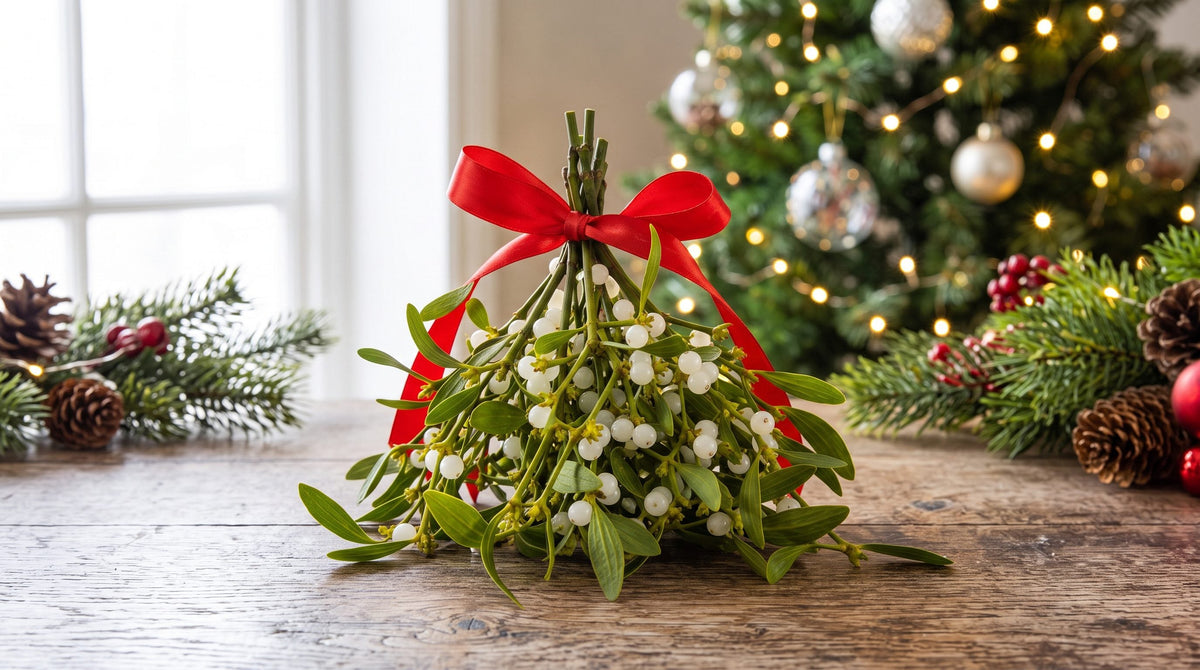
Is mistletoe a parasite? Yes, but only a partial one, called a hemiparasite. It roots into a tree's branch and draws water and minerals from it. Its green leaves make its own food from sunlight. A few clumps rarely harm a healthy tree, and the plant feeds many birds and bees.
Mistletoe is a parasite, but it is also a native plant. It does not grow in the soil. Instead, it lives high in the branches of a host, the tree or shrub it feeds on. In winter its evergreen clumps stand out in bare elms and other hardwoods, which is the easiest time to find it. For a homeowner, a clump or two on a strong tree is seldom a worry. The U.S. Geological Survey describes mistletoe as a natural part of healthy forests and a big help to wildlife. Robins and bluebirds eat its berries. Bees visit its flowers for nectar and pollen. Owls, hawks and songbirds nest in its dense, twiggy growth. Three kinds of U.S. butterflies depend on it entirely, since their caterpillars feed only on mistletoe. Below, you will see how it lives, how the three main kinds differ, and how to enjoy a live sprig at home.
Is mistletoe a parasite? Here's how

1. A bird plants the seed
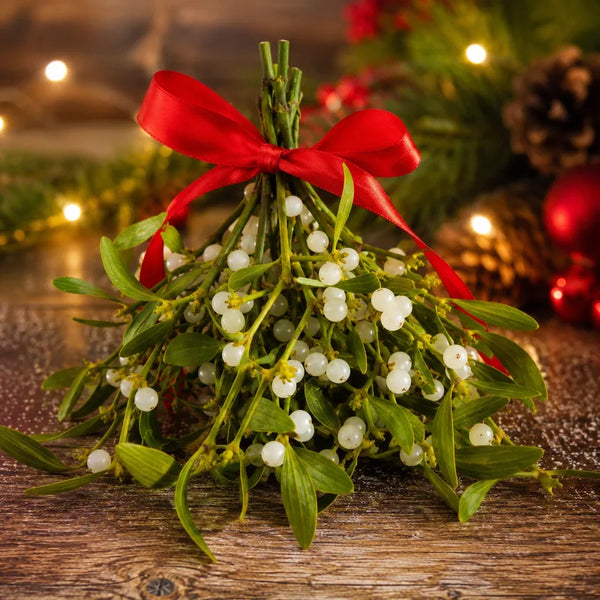
Mistletoe starts with a bird. Birds eat the sticky berries and pass the seeds in their droppings, or wipe them off their beaks onto a branch. The seed glues itself to the bark right where it lands. So new clumps tend to show up on branches where birds rest. Dwarf mistletoe skips the bird and shoots its seeds through the air instead.
2. It grows a feeding root into the branch
Once it sprouts, the seedling pushes a root-like peg through the bark and into the branch. Botanists call this peg a haustorium, which simply means a feeding root. It links up with the tree's own water pipes, the tissue that carries water and minerals up from the roots. From then on, it draws what it needs from that branch.
3. It takes water and minerals from the tree
Mistletoe has no roots in the soil, so it relies on its host for water and minerals. That is the parasite part. It takes only a share, though, and a healthy tree can usually spare it. Trouble comes when many clumps build up on one tree, or when the tree is already weak from pests or other stress. Heavy growth can then add real strain.
4. Its green leaves make its own food
Here is what makes mistletoe only a partial parasite. Its leaves are green because they hold chlorophyll, the pigment plants use to turn sunlight into sugar. So the plant feeds itself, much like any other green plant. A full parasite cannot do this and must take everything from its host. Dwarf mistletoe sits closer to that end, since it takes almost everything from its conifer host.
American, European and dwarf mistletoe
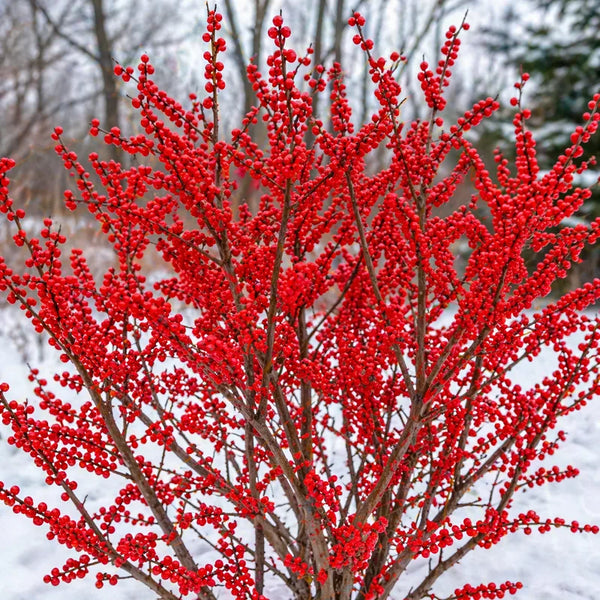
According to Wisconsin Horticulture, three groups matter most here. American mistletoe (Phoradendron serotinum) is the common Christmas mistletoe. It grows on more than 100 kinds of broadleaf trees and is especially common on elms. European mistletoe (Viscum album) has yellow flowers and white berries, grows on over 200 kinds of plants and favors apple trees. Both are hemiparasites: green, leafy and only partly fed by their hosts. Dwarf mistletoe (Arceuthobium) grows only on conifers and takes far more from them, causing dense, twiggy witches' brooms. It is one of the most serious problems for conifers in much of the West. Our Mistletoe Holiday Sprig is a live, cultivated sprig with glossy green leaves, grown for the holiday season. Hang it from a ceiling or doorway for a fresh, natural touch no artificial piece can match. For living winter color outdoors, winterberry holly keeps its red berries through winter, and birds flock to it for food.
Care and keeping
Keep mistletoe where children cannot reach it. Poison Control says American mistletoe is far less dangerous than European mistletoe. Small amounts swallowed by accident are unlikely to cause serious poisoning, though they can upset the stomach. If someone swallows any, call Poison Control at 1-800-222-1222. Hang your sprig high, above doorways.
Frequently asked questions
Should you remove mistletoe from trees?
Not always. One or two clumps on a healthy tree rarely do much harm, and they feed birds and bees. Many clumps can stress a tree over time, especially one already weakened by pests. If growth is heavy, ask a certified arborist or your local extension office whether pruning makes sense.
Is mistletoe a fungus?
No. Mistletoe is a flowering plant, not a fungus. Most kinds have green leaves, make flowers and berries, and spread by seed. Its link to the tree can look like a growth or disease, but it is a native plant that lives on branches instead of in the soil.
What does mistletoe grow on?
It grows on the branches of living trees and shrubs. American mistletoe favors broadleaf trees and is common on elms. European mistletoe often grows on apple trees. Dwarf mistletoe grows only on conifers. Look for round green clumps high in bare trees in winter, when they are easiest to see.