
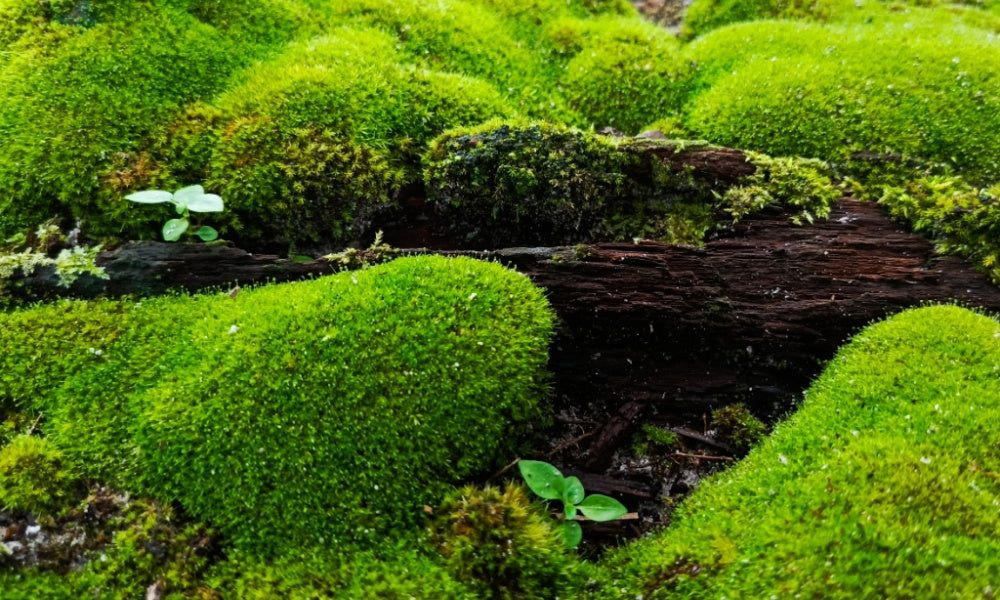
Growing native plants successfully starts with correct timing, preparation of the site, and care of the establishment. The process of proper planting practice adds even more value to even the most low-maintenance native plants—an additional hour of work at planting will come back to pay off in decades of service in the landscape environment.
Step 1 — Assess Your Site Before Selecting Plants
Great plant to great place. Record the main features of the site at the time you are picking species:
-
Soil texture: Sandy, clay, loam, perfect.
-
Drainage pattern: Take a walk after a heavy rain—the areas that hold water longer than 24 hours should have what is wet-adapted.
-
Sun exposure: Full sun: 6 or more hours per day, Part shade: 3-6 hours per day. Full shade: less than 3 hours per day.
- Native vegetation: As far as the dependability of determining what will thrive is concerned, native plants that will already be found in the region will be the most helpful.
If you are just starting out and still figuring out what grows well in your specific zone, a Native Plant Subscription Box is a practical way to build experience — each month you receive a zone-appropriate native plant, which over time teaches you what genuinely thrives in your conditions before you commit to larger plantings.
Step 2 — Prepare the Planting Site
Preparation of sites is crucial and hugely enhances the success of the establishment of all US native plants.
- Either cut or remove invasive plants or turf.
- Soil that is loose and well-drained with a depth of 12-18 inches to allow root growth downwards.
- Add organic compost to enhance soil structure, the health of roots, and microbial diversity.
- Use natural manure—high levels of nitrogen are used to grow the shoot when roots are in the most critical period of establishment.
For sites near slopes, streambanks, or disturbed soil edges, preparation goes beyond just loosening the ground. Brush Layer Bundles — live, woody native cuttings bundled and placed horizontally in shallow trenches — are one of the most effective tools for stabilizing problem areas before or alongside planting. They root quickly, bind soil in place, and establish long-term native vegetation in areas where ordinary plants would struggle to hold.
Step 3 — Time Your Planting Correctly
The Tennessee native plants, as well as the US native plants, have a natural planting season of late winter to early spring, when they are dormant, or in the fall, when the heat of the summer is past.
- Late winter to early spring (February–April) - Plants are still dormant, root disturbance is minimal, and cool temperatures reduce transplant stress. Spring planting gives roots one full growing season to establish before summer heat.
- Early fall (September–October) - After summer heat subsides but while soil is still warm enough for root growth. Fall planting is traditionally the superior window for trees and shrubs — roots establish through autumn and winter, producing vigorous spring growth.
-
Avoid summer planting - Even with regular watering, summer heat significantly increases transplant stress and establishment failure in most US native plants.
Step 4 — Plant at the Correct Depth
Planting depth is one of the most common mistakes in growing native plants. The root collar — the point where roots flare from the trunk — must sit at or slightly above the finished soil grade. Planting too deep is the primary cause of native tree and shrub failure in the first few years.
- For container-grown natives: remove the plant from the container, loosen any circling roots, set the root collar at grade, and backfill with native soil (no need to amend — most natives establish better in native soil than in amended mixes).
-
For bare-root natives from TN Nursery: soak roots in water for 12 to 24 hours before planting. Spread roots naturally in the bottom of the planting hole. Backfill with native soil and firm gently to eliminate air pockets.
Perennials like the Ironweed Plant are a great example of why depth matters — this tough, flood-tolerant native drives its iron-like stem straight down from the root collar, and planting it at the correct depth lets it establish that characteristic upright structure that can reach 3 to 7 feet tall. Planted too deep, even the most resilient natives take significantly longer to root and bloom.
Step 5 — Water and Mulch Correctly
Proper watering and mulching are the two highest-return activities in establishing low-maintenance native plants.
-
Watering: Water deeply at planting: 10 to 15 gallons for trees, 1 to 2 gallons for perennials. Water once or twice per week during the first growing season in dry periods. Deep, infrequent watering encourages deep root development — the foundation of drought tolerance.
-
Mulching: Apply 3 to 4 inches of organic mulch (wood chips, shredded bark, or leaf mulch) over the entire planting area. Keep mulch 2 to 3 inches away from stems and trunks to prevent rot. Mulch conserves soil moisture, moderates soil temperature, suppresses weeds, and feeds soil organisms as it decomposes.
The first growing season is also the right time to think about what grows around your feature plants. The Coneflower Plant is one of the best companions to establish during this phase — drought-tolerant once rooted, it needs the same deep watering approach during its first season and then largely takes care of itself, while attracting bees, butterflies, and birds that contribute to the health of everything else in your planting.
Step 6 — Step Back After Establishment
The majority of native plants do not need to be interfered with after they are established, and that is typically after one or two growing seasons. The best way to use natural processes is through native plant gardening, where the natural processes are left to operate. The relationships that exist between the native plants and local insects, local soils, and seasons are known to be in a way that cannot be realized in ornamental plantings.
Conclusion
Planting native plants is a long-term investment — in your land, your local ecosystem, and your time. The six steps above are not complicated, but they are the difference between a plant that struggles and one that thrives for decades. Get the timing right, plant at the correct depth, water deeply in the first season, and then let the plant do what it was naturally designed to do.
The reward is a landscape that largely takes care of itself — and gets better every year
Return to our pillar guide: Complete Guide to Native Plants in the U.S.
Continue reading:


