
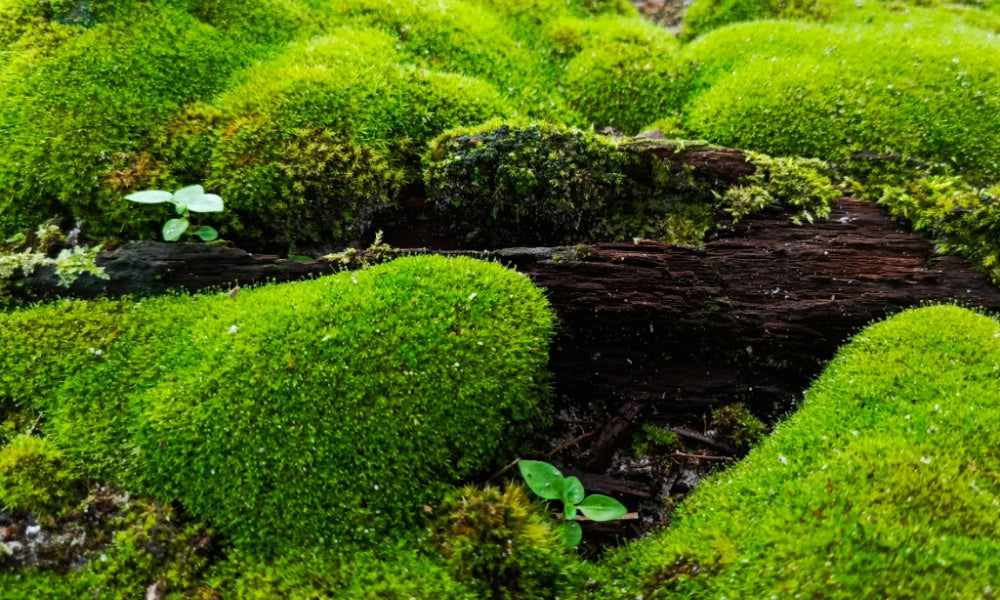
Tennessee is located in a marvellous ecological crossroads. Its heterogeneous geography, lying between the highlands of the Appalachian Mountains in the east and the western regions of the Mississippi floodplains, lends itself very readily to the extraordinary heterogeneity of natural species. The Tennessee native plant flora extends to woodland wildflowers, native canopy trees, riparian shrubs, and meadow grass that make up one of the greatest temperate plant communities in North America.
The state climate is between the hardiness zones 5b and 8a of the USDA. Native plant gardening in Tennessee is not a universal practice, with a Memphis gardener having a different array of plants to choose from than a Knoxville gardener, each of which boasts an extraordinary array of native plants. The one thing that has to be known before making any decision regarding any part of the state, especially hospitality, is where exactly you are before making any decisions about planting.
Tennessee's Three Ecological Regions
East Tennessee is characterized by the Appalachian Mountains and the foothills of the Blue Ridge. The soils are acidic and well-drained granite. There are natural woodland species that grow in this area—these are species that are adapted to steep slopes and changing moisture seasonally and cooler summers. The oaks, maples, tulip poplars, and a dense understory of native wildflowers and ferns are prevalent in forests.
Middle Tennessee encompasses the Central Basin and Highland Rim, a humid, limestone-based, deep-soil-covered terrain with deeply rooted, deep limestone temples. Landscaping with native plants can be done at any scale, with an incredible range of native trees, shrubs, and perennials planted in the rich soils, which can be relied upon to bloom and to participate in admirable summer warmth.
West Tennessee flows into the Mississippi Alluvial Plain. The soils are more solid, moist, and richer in organic substances. The Tennessee native plants in this area of the state are based on bottomland hardwoods, native willows, and riparian species.
Soil and Climate Considerations
None is more important when successfully establishing Tennessee native plants, and they have to match the plants with the correct regional soil and climate. Check out your location by evaluating it prior to the choice of species:
- Capacity of drainage and soil texture.
- Seasonal moisture patterns.
- Sunlight exposure during the day.
- Whether there is a stock of existing indigenous vegetation on-site, the surest predictor of what will follow is.
Growing native plants in Tennessee is most successful when gardeners make an ecological decision when choosing plants, not choosing species that can be used in the landscape, but that are a component of the landscape.
Recommended Tennessee Native Plants by Region
For East Tennessee (Acidic, Well-Drained Soils)
-
Silver Maple Trees — Adaptable to acidic soils, fast-growing, excellent early spring nectar source.
- Tupelo Tree — Outstanding fall color, tolerates both wet and well-drained acidic soils.
For Middle Tennessee (Limestone-Based, Fertile Soils)
-
Southern Magnolia — Thrives in fertile limestone soils, delivers year-round evergreen beauty.
- Mimosa Tree — Fast-growing, exceptional midsummer pollinator value in open, well-drained sites.
For West Tennessee (Moist, Heavy Bottomland Soils)
-
Sycamore Trees — The premier native canopy tree for bottomland and riparian sites.
-
Corkscrew Willow — Fast-establishing, ornamentally distinctive, ideal for wet transitional zones.
The Role of Tennessee Native Plants
The Tennessee native plants have more ecological value than beauty. The native canopy trees are relied upon by hundreds of native insect species that feed nesting birds and stabilize soil and water systems all over the watershed network in the state. There have also been benefits of native plants, such as the health of the soils, where the deep native root systems complement the soil structure and organic matter and have facilitated the microbial diversity that the exotic ornamental plants cannot provide.
Native plants are also beneficial to the broader economic system of agriculture in Tennessee. The native pollinators, which are dependent on native landscapes, not only provide fruit and vegetable crops with essential pollination services elsewhere in the state but also become an investment in regional food and natural heritage.
Seasonal Interest and Planting Recommendations
Tennessee native plants offer year-round, indeed four-season, pleasure, blooming in the spring, followed by canopy and pollinator performance in the summer, gorgeous fall foliage, and structural eye candy in the winter. Landscaping with native plants involves designing the landscape to be pleasing throughout all four seasons; otherwise, there will never be anything pretty to admire.
- Remember to get a match before purchase; you should have a match for your area.
- Plant in late winter or early fall
- The habitats they are currently in need to be replenished and fertilized using organic materials, which would improve the physical composition and the biodiversity of the soil.
- Source from TN Nursery for verified Tennessee native plants grown with locally adapted materials.
Conclusion
At the end of the day, gardening with Tennessee native plants is really about working with the land rather than against it. This state has an incredible natural heritage, and whether you live in the misty hollows of East Tennessee, the rolling limestone hills of the middle, or the flat, fertile west, there are plants that have been thriving in your exact corner of the world for thousands of years. They already know the soil. They already know the rain patterns. They already know the summers.
Once you start paying attention to what naturally belongs in your region, the whole idea of gardening starts to feel less like a chore and more like a conversation with the landscape around you. Your yard becomes a little patch of something real — full of life, color, and purpose through every season.
So before you head to the nursery next time, take a moment to look around at what is already growing near you. Let that guide your choices. Plant something that belongs, take care of it through those first few seasons, and watch it take root — not just in the ground, but in the bigger story of Tennessee's natural world. It is one of the most rewarding things a gardener can do, and honestly, it is long overdue.
Return to our pillar guide: Complete Guide to Native Plants in the U.S.
Continue reading:


