
How to Design a Beautiful Perennial Garden That Blooms All Season
All you really have to remember is three things: plants that flower at different times of the year; repetition‚ or like elements‚ in the shape and color of the bed; and layering‚ so that nothing blocks anything else․ That gets you what the average novice gardener is content with: a bed that looks great for three weeks in June and forgettable the rest of the year․
Most of Tennessee is in USDA zones 6b through 7b․ The long growing season and sufficient winter chill for winter dormancy plants allow wide-ranging varieties of perennials to be grown in the same garden․ Many of these plants would not survive in the different zones (for example: peonies and hostas in the north‚ and daylilies and coneflowers in the south)․
Start With Bloom Succession‚ Not a Shopping List
Your single biggest mistake is to walk into a nursery in April‚ buy all these things that look good in the nursery, and plant them, and then wonder why the whole garden falls flat by July․ You need three or four bloom windows․
Early spring (March-April): In cooler spring temperatures‚ creeping phlox‚ bleeding heart‚ daylilies (early)‚ and violets begin to come into season․
Late spring through early summer (May-June) is the peak blooming period for most perennials‚ including coneflower‚ black-eyed Susan‚ salvia‚ and the first flush of daylilies․
Mid to late summer (July-August): The heat and humidity in Tennessee are enough for most perennials‚ which is why reblooming daylilies such as Stella De Oro have made their mark․ They keep on pushing flowers when coreopsis and phlox are winding down․
Fall (September and October): The sedum‚ asters‚ and ornamental grasses provide color until the first frosts․
Write these four windows on paper and start writing your plant choices․ If you've got six flowers in bloom in June‚ and none in bloom in August‚ that's the gap‚ regardless of how much you spend․
Color Theory‚ Simplified for a Garden Bed
Forget about the entire color wheel for a second: there are two rules that matter here․ Warm colors (red‚ orange‚ yellow) feel intense and visually advance‚ making a room feel smaller and more dynamic․ Cool colors (blue‚ purple‚ white) recede․ Use cool in a small front yard bed and warm colors as accent․ This will create a feeling of a larger‚ calmer space․
Second‚ repetition beats variety․ A bed with flowers of five colors randomly set out looks messy․ Each color is always used in groups of three or more individual plants: such drifts (styled groupings of several plants of the same variety) are the hallmark of professional designers rather than a single plant of each color․
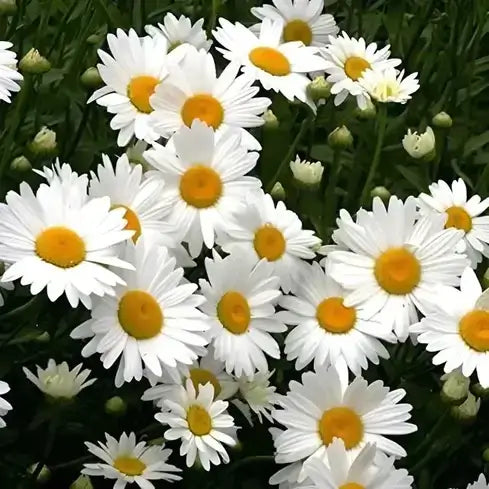
In Tennessee, for a reliable planting stay with purple coneflower and Russian sage as the base, cool colors‚ Stella De Oro daylilies, and black-eyed Susan for warm pops of color‚ and white phlox or shasta daisies to break the color and give the eye a rest․ They bloom in waves from May to September and provide much-needed rest for the eye․
Layering Height and Structure
Think of your bed as three tiers front-to-back (or center-out if it is an island bed):
- Front (under 12 inches): creeping phlox‚ dianthus‚ low sedum - Middle (1-3 feet): daylilies‚ coneflower‚ salvia‚ black-eyed Susan - Back (3+ feet): Joe Pye weed‚ tall garden phlox‚ ornamental grasses
Don't make this too uniform‚ though: a few taller plants pulled forward into the middle tier‚ the so-called punctuation plants,‚ will keep the bed from looking like stair steps․ One or two clumps of switchgrass poking up in the middle of a shorter bed adds movement without blocking sightlines․
Foliage Matters More Than Most Guides Admit
The flowers are short-lived but the foliage lasts from April to October․ Plant for foliage color as much as for bloom: for example‚ hostas‚ coral bells and ornamental grasses have attractive leaves which provide texture and color during those periods when there is little else in the garden that is flowering․ A garden designed around bloom time will have dead patches between flowering periods․ In a garden with good foliage‚ it will not․ This is the part that most basic garden guides skim over: they tell you what flowers when‚ but not what your bed looks like on the 300 days it isn't in peak flower․
Matching Plants to Your Actual Site
Before you fall in love with anything‚ walk your yard and track sun patterns for a day if you can․ Full sun means 6+ hours a day of direct light․ This is common in open Tennessee yards‚ but not as common as you think under the canopy of mature trees․ Like nearly all clay soil in Middle and East Tennessee‚ this is not very draining for things needing drainage‚ such as lavender and Russian sage․ Compost is frequently mixed in beforehand․
Daylilies tolerate Tennessee clay and humidity relatively well‚ and tolerate drought and saturation better than almost any other perennial․ As a result‚ TN Nursery sold more daylily varieties than any other single perennial․ Stella De Oro is one of the most famous daylilies‚ and an easy introduction; the plants produce 2 to 3 inch (5․1 to 7․6 cm) golden-yellow blooms on stiff stems from about the first day of summer all the way through autumn․ They enjoy both loamy and clay-rich soil‚ and if you have just enough room for one sturdy anchor plant in a low-maintenance bed‚ that is defensible․
A Realistic Timeline
Most perennials do not reach full size or flower in their first year but instead spend the first year rooting and the second year filling in․ This is sometimes called sleep‚ creep‚ leap because by the third year you are seeing the ultimate growth and bloom of the plant you have․ Try not to be disappointed the first year establishing the garden; the garden looks sparse in May of year one‚ but in year three‚ it will look completely different․
Maintenance You Can't Skip
Deadhead daylilies and coneflower to encourage reblooming and keep plants tidy․ Divide hostas‚ daylilies‚ and black-eyed Susan every 3 to 4 years in spring or fall to keep plants vigorous‚ fill out the garden‚ and provide plants to fill gaps that need filling․ Mulch with 2 to 3 inches to conserve moisture during the Tennessee summer and to prevent weeds‚ however‚ the mulch must be pulled back an inch or two from the crowns․
The four rules of perennial gardening are a bloom calendar‚ repetition in color‚ layering of heights‚ and the use of foliage‚ but perennial gardening is mainly waiting․
"


