
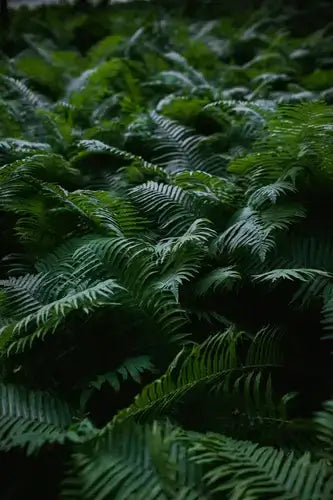
A complete guide to planting and growing the Sensitive fern. Learn everything about this resilient species dating back to prehistoric times!
Are Ferns Really Prehistoric?
Ferns are some of the oldest plants still alive today. They are so old that they predate the dinosaurs! These ferns are for cold zones.
While most plants and animals evolve over time or eventually die out, ferns are a reliable constant. Most of the ferns we have today are similar or even the same as the ones growing when dinosaurs walked the earth. Ferns have managed to survive for so long due to their adaptability and reproduction habits. Because they reproduce by spores and rhizomes, ferns have been able to continue growing for millennia.
What Is the Sensitive Fern's Background
The Sensitive fern is a deciduous perennial plant that is native to eastern North America. While it tends to spread, it is not invasive in its native habitat.
The scientific name for the Sensitive fern is Onoclea sensibilis. It gets the name 'sensitive' from how sensitive it is to frost and drought. While its fronds are sensitive to frost, it is still a perennial, meaning that it returns yearly. The Sensitive fern can be easily identified by its triangular fronds and large leaflets. It is also referred to as a "bead" fern because its sori resemble beads.
Where Does the Sensitive Fern Grow?
The Sensitive fern has been found naturally along streams, riverbanks, marshes, open fields, and near wetlands. It grows best in moist, well-draining soils and prefers slightly acidic soil.
The Sensitive fern will thrive under the right conditions. It requires dapple shade and consistently moist soil. It will suffer if it is exposed to the sun for too long or if the soil dries out.
Because the Sensitive fern is deciduous, it loses its vegetation in the winter when the frost comes. Then in the late summer or fall, it grows its fiddleheads that turn into fronds.
The Sensitive fern can reproduce in two ways: by spores or rhizomes.
Unless it is sterile, a Sensitive fern will have tiny bead-like pouches on its leaves called sori. The sori release spores into the air and once they land on a suitable surface, they germinate and grow into gametophytes.
The ferns also reproduce by rhizome. A rhizome is a modified stem that grows horizontally underground, and from this stem, young fiddleheads can grow. A single rhizome stem can grow several feet long.
USDA Growing Zones for Sensitive Ferns
Knowing your grow zone will help when selecting a fern to purchase. Fortunately, ferns grow in almost every USDA zone. However, if you live in a warmer climate, we recommend that you plant your ferns in ample shade and ensure the ferns are watered regularly.
Sensitive ferns have a wide growing range. Their USDA grow zones are from zone 3 to 9. This means that they will grow in nearly any zone, provided they have moist soil and enough shade.
Some Ferns Can Be Toxic
Humans and pets should not eat ferns or fern parts. Some ferns have carcinogenic compounds and can lead to some health issues if consumed. Additionally, ferns should not be planted near pastures or farmland. The good news is, that as a result of their inedibility, all ferns are completely deer and rabbit-resistant.
How To Grow a Sensitive Fern
Despite their delicate-sounding name, Sensitive ferns are sturdy plants. They are low maintenance once planted and are easy to take care of.
Here is a short, step-by-step guide on how to successfully grow the Sensitive fern:
- Identify the right planting location for your Sensitive fern. These ferns grow best in shaded gardens and woodland gardens where they can spread
- Check your soil and make sure it's free-draining.
- Buy your Sensitive ferns.
- Avoid planting in summer. If you do, then plant them when it cools out, like in the early evening.
- Plant the Sensitive ferns avoiding covering the crown with soil.
- Water thoroughly after planting and make sure the soil is well draining.
If you are having difficulty growing your Sensitive ferns, try testing your soil. Inexpensive soil tests are available at most garden centers.
If your Sensitive fern wilts, it may need to be relocated to a shadier area in your garden. It may also need to be watered more often.
Planting Sensitive Fern
In terms of maintenance, sensitive ferns are relatively low-key. They don't require a lot of feeding or pruning, though occasional thinning might be necessary to manage their growth. Given the right conditions, soil, partial shade, and room to spread-sensitive ferns will happily establish themselves and continue to provide texture and greenery year after year. The sensitive fern is a worthy choice for gardeners seeking an easy-to-care-for plant that thrives in challenging environments.
The term "sensitive fern" doesn't imply that the plant is physically sensitive to touch like the mimosa (Mimosa pudica), which reacts to touch by closing its leaves. Instead, the sensitive fern earned its name due to its vulnerability to early frost. As soon as the first frost hits, its fronds are quick to wither and die back, more so than other ferns that might be more cold-tolerant. This "sensitivity" to temperature change makes it an early indicator of seasonal shifts in the garden, as it will show the effects of cooling weather before many other plants.
Despite their shade preference, sensitive ferns can tolerate some sun, especially in cooler climates with less intense sunlight. If you're planting them in a location that receives more sun, ensure that the soil remains moist, as the combination of full sun and dry conditions can stress the fern, causing it to wilt or dry out. However, in the right balance of light and shade, sensitive ferns develop lush, light-green fronds that add texture and softness to any garden design.
Sensitive Fern Care and Watering
Sensitive ferns may not be as flashy as some other garden plants, but they offer a quiet elegance that adds depth and texture to shady landscapes. Their ability to thrive in wet, low-light areas makes them indispensable for woodland gardens, rain gardens, or places where other plants might falter. Understanding their light preferences, habitat differences compared to other ferns, and their unique sensitivity to cold helps gardeners incorporate them thoughtfully into their designs. With proper care and attention, sensitive ferns will flourish, bringing beauty and ecological value to your garden.
Their spreading nature does mean that they require some attention to ensure they don't overtake more delicate plants in your garden. You can prevent them from becoming overly dominant by focusing on their growth and thinning out the clumps when necessary. Their spreading habit is more beneficial than concern in the right setting, such as a woodland garden or a naturalized area. Sensitive ferns can contribute to slope erosion control and help maintain soil moisture, making them an ecologically valuable addition to specific environments.
Soil and Sunlight for Sensitive Fern
The ostrich fern (Matteuccia struthiopteris) and sensitive fern are excellent choices for shade gardens, but they have distinct differences that set them apart. Ostrich ferns have tall, vase-shaped fronds that can reach up to six feet tall, giving them a striking, regal presence in the garden. Their fronds are finely divided and have a feather-like texture reminiscent of the plumage of an ostrich, hence the name. In contrast, sensitive ferns are more modest in their stature, growing typically around two to three feet tall. Their fronds are more straightforward in structure, with broad leaflets that give them a bold yet understated look.
Sensitive ferns thrive best in partial shade, but their adaptability allows them to tolerate various lighting conditions. Ideally, they prefer dappled sunlight or a situation. Too much sunlight can burn their delicate fronds, leading to an unhealthy and browned appearance, while deep shade may stunt their growth or cause the fronds to become leggy. Suppose you're cultivating sensitive ferns in a woodland or shaded garden. In that case, they will flourish under the canopy of trees or in other low-light environments where they can receive the gentle filtering of sunlight.
Where Can You Buy Sensitive Ferns
Tennessee Nursery has a wide range of ferns available to buy online, including the Sensitive fern. We have affordable prices for all our plants and trees so you can create a luxurious garden at a fair price!
Here are several other ferns we offer through our online store:
Sensitive Fern Size and Growth Rate
Sensitive ferns are fast-growing and have the potential to spread across the garden if left unmanaged, but they are not invasive. They reproduce through spores and rhizomes, allowing them to form dense colonies over time. This ability to propagate through underground runners makes them particularly effective at filling shaded areas where other plants may struggle to thrive. For gardeners who need a ground cover solution in wet, shady areas, sensitive ferns can be a helpful ally in establishing a lush, green understory.
Sensitive Fern
The Sensitive fern grows in dapple shade and moist soil. It has large, jagged leaflets that originate from its large fronds. The sensitive fern can add a lush look to any shaded outdoor space.
Zones: 3 to 9Sun exposure: Part shade to full shadeMature height: up to 4 feetWater: Average to moistBest for woodlands and containers
Cinnamon Fern
The Cinnamon fern has large triangular fronds that wave in the breeze. It can grow fairly tall for a terrestrial fern and looks great in woodland gardens. Plus it's low maintenance and easy to keep healthy.
Zones: 3 to 9Sun exposure: Part sun to part shadeMature height: from 3 to 5 feetWater: AverageBest for woodlands and containers
Royal Fern
The Royal fern has an upright growth habit and grows in clumps. Its unique appearance makes it an ideal choice for any woodland or shaded garden. Its fronds bear oblong deciduous leaves.
Zones: 3 to 9Sun exposure: Full shadeMature height: up to 3 feetWater: AverageBest for woodlands and containers
Ostrich Fern
The Ostrich fern is one of the most exotic-looking ferns available. Its long tapered fronds have an upright growth habit that brings a sense of serenity to an outdoor space. Its distinct look makes it one of our more popular products.
Zones: 3 to 7Sun exposure: Full shadeMature height: up to 4 feetWater: AverageBest for woodlands and containers
About Sensitive Fern
Lastly, the life cycle of their fertile fronds differs. Sensitive ferns produce short, upright, fertile fronds that persist throughout winter, turning brown and woody. In contrast, ostrich ferns' fertile fronds are taller and more distinctive, often used in dried flower arrangements.
Bracken Fern
The Bracken fern is an exceptional woodland ground cover due to its spreading habit. It is one of the easiest ferns to grow and requires little maintenance if any. It can tolerate some sun and thrives in a range of soil conditions.
Shade Fern Package - 10 PlantsZones: 3 to 9Sun exposure: Full sun to part shadeMature height: average of 3 feet but can grow up to 7 feetWater: Average to dryBest for woodlands and containers
Fern Variety Pack (10 Ferns)
The variety pack is an ideal choice for the gardener who wants a little bit of everything. Whether you need to cover a large space or can't choose just one fern, this option is for you. You will receive ferns that vary in size, texture, and leaf shape. Why choose just one fern when you can have 10?
Shop Our Fern Selection
Visit our online shop for a wide selection of plants and trees, or come say hi at our store location in Tennessee! We offer fast shipping nationwide so you can start transforming your garden today!
If you have any questions about ferns or if you have any other plant needs, don't hesitate to contact us at customerservice@tennesseewholesalenursery.com.


