
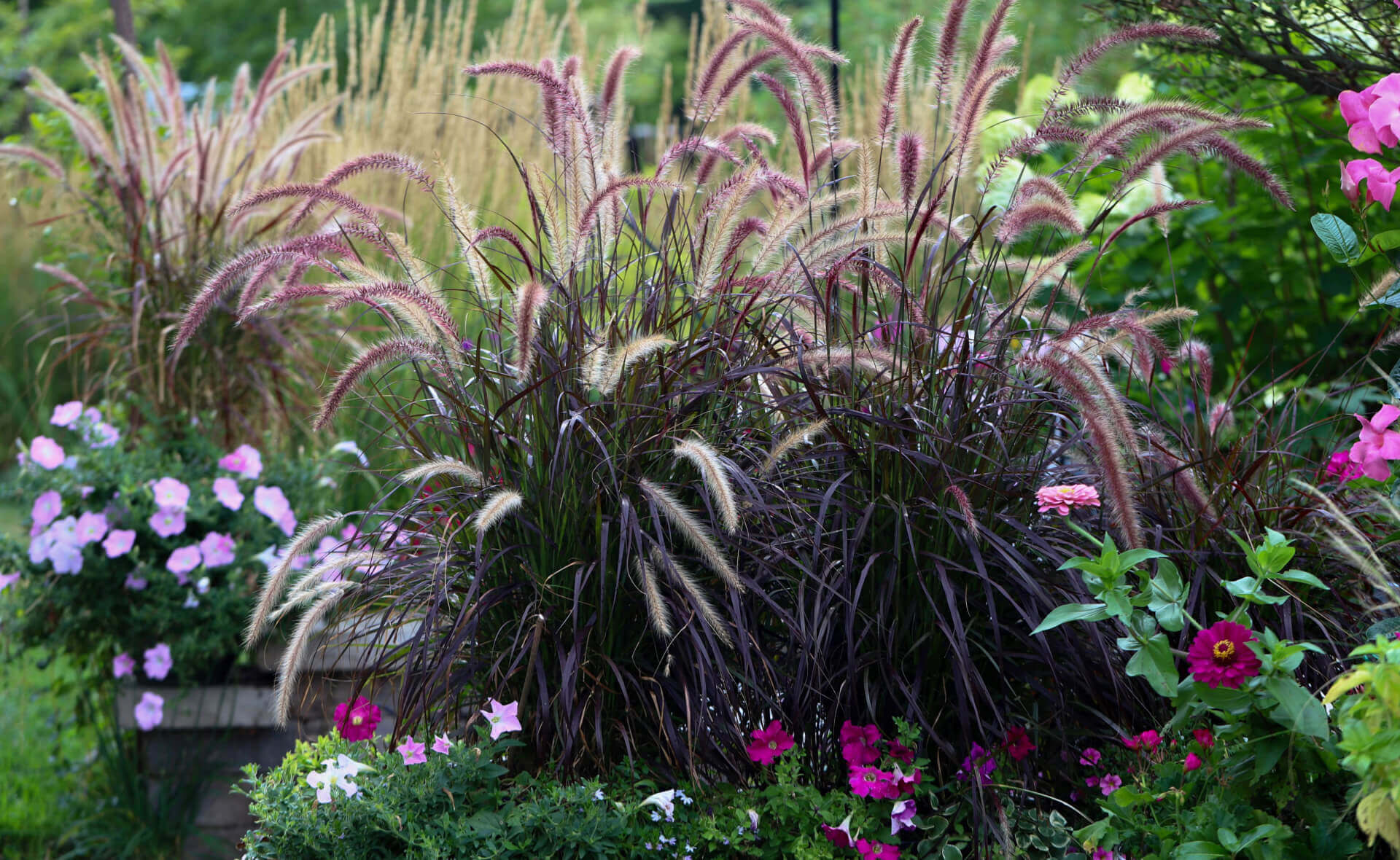
How to Build a Lush‚ Textured Garden Without Any Bare Spots
Creating a lush garden means varying the textures‚ heights and flowering seasons of plants so nothing looks empty or flat․ Gardening in hardiness zones ranging from 6a in north Tennessee to 7b in the south‚ lushness is created by combining shade-loving ferns‚ groundcovers‚ and sun-tolerant perennials so that all gaps are filled at different times during the growing season․ If you can get the layers right‚ you’ll have a garden that looks good in March and still looks good in October․
Most gardens do not feel ““lush””‚ not so much because they have the wrong plants but rather because they have too many of the same kind of plants‚ same shape‚ same size in the same bed․ If you plant a bed full of medium-sized round shrubs‚ it seems flat even if it is healthy․ But the fix is always texture: fine feathery leaves with large glossy wide strappy leaves‚ and low cushions and spreading mats which knit everything together․
Why texture is more important than color
Although flower color gets most of the attention‚ the most important design factor in a planting bed is plant texture․ Soft ferns and others with fine texture are best․ Thick‚ textural plants with oversized or shiny foliage have a sense of weight and stability and provide a place for the eye to rest․ Ground-hugging spreaders fill in the transition area and create gaps too small for weeds․
Here’s how five reliable plants - several of them found wild all over the Appalachian region‚ all able to thrive on natural dirt in Tennessee with no fuss whatsoever - work together to create that layered effect․
Christmas Fern: The Bedrock of the Shade Garden
Polystichum acrostichoides is native to woodlands in Tennessee․ It stays evergreen through the winter․ The plant has the common name due to it being able to be cut as Christmas greens while snow is on the ground․ In Middle Tennessee‚ as a big‚ tough plant‚ it will grow in the heavy clay soil far better than most ferns you’ll find at garden centers․
It grows in full to partial shade in reasonably well-drained soil‚ and is reasonably drought-tolerant once established (which usually takes one full growing season)․ This makes it far more forgiving than lady fern if you tend to forget to provide water in a dry August․ Space plants 18-24 inches (46-61 cm) apart‚ and they will fill in completely in two years․ The Christmas fern is also used for erosion control of shaded slopes‚ but this is rarely mentioned in resources for general gardeners․
Lady Fern: Softness Where Christmas Fern Feels Too Stiff
Athyrium filix-femina is softer still with its finely cut‚ lacey fronds․ It tolerates a consistently moist soil such as along the downspout of a gutter‚ the edge of a pond‚ or beneath the dripline of a deciduous tree․ It will become dormant or scorch if the soil dries out during the Tennessee summer dry spell․ A․ filix-femina is the best candidate in the list for moist shade․
Unlike Christmas fern‚ lady fern dies back․ That means you’ll have an open area on the lady fern side of the garden from approximately December through March‚ unless you have interspersed it with something evergreen․ That’s just where the combination shines: the fronds of Christmas fern hold their shape in winter‚ while the lady fern spills out into its summer space․
Creeping Phlox: The Ground-Level Connector
Phlox subulata fills the very important gap in most gardens․ This plant ties together the entire garden at the ground level․ In early spring‚ A․ carolinense bears a solid mat of pink‚ purple or white flowers‚ usually late March into April in Tennessee‚ before most other plants have awakened from winter dormancy․ Its needle-like leaves are semi-evergreen‚ remaining close to the ground until the end of summer and winter․
This is a full sun plant‚ so it can be used in front of the shade-loving ferns above or on a sunnier slope or over a retaining wall․ Space them at 12 to 24 inches apart‚ and be sure to place taller perennials in front of the ferns‚ so these plants will not be shaded out․
European Ginger: Great foliage for densely shaded areas
Asarum europaeum is underrated‚ maybe because it doesn’t spread as quickly as other‚ more ostentatious ground covers‚ taking a little longer to get established․ But when it finally gets going - it usually takes two to three growing seasons - it creates a dense foil of shiny‚ dark green‚ heart-shaped leaves that is almost like an English garden detail dropped into a woodland bed․
It prefers full to deep shade and moist‚ well-drained soil․ It is one of the few ground covers that will survive and even thrive in the shade of mature trees where grass and most flowering plants sulk․ Because the leaves are shiny rather than matte‚ the foliage’s ability to reflect light brightens up corners of a yard‚ an unexpected asset described in few planting guides․
Pink Evening Primrose: Movement and Late-Day Color
Oenothera speciosa is also known for its evening activity․ Opening in the late afternoon‚ this species’ pink‚ cup-shaped flowers remain open until the following morning․ Being planted next to a patio or porch‚ it creates an impression of movement at dusk‚ which is when most people will want to be sitting out․ Beware that‚ as it grows by rhizome‚ it can spread too much to be left to run; give it a definite area to occupy‚ like a slope or between stepping stones (where its spreading habit will be welcome)․
It tolerates poor dry soil and full sun‚ blooms from late spring to summer‚ and dies back cleanly in fall․ If pruned hard after the main flowering period in July‚ a second flowering period usually occurs in autumn before frost․
Putting It Together: A Realistic Planting Plan
In the shade of Tennessee‚ the back row could be Christmas fern‚ the middle‚ lady fern (Polystichum acrostichoides)‚ in moist soil; and European ginger‚ in the front row‚ next to the path․ In the sun‚ creeping phlox could lead in the spring‚ and in summer‚ pink evening primrose‚ which would take its place while in bloom․ Space these plants well‚ 12 to 18 inches apart‚ because they will spread given a chance․
In Tennessee‚ spring and early fall are the best times for planting Christmas ferns or other TN Nursery stock‚ because summer heat can put too much stress on the newly developing root systems․ TN Nursery ships nursery-grown‚ established-root Christmas ferns‚ lady ferns and European ginger with good root systems that vastly shorten the establishment time compared to bare root or starter plants․
For the first six weeks‚ water any new bed‚ regardless of the species‚ as even drought tolerant natives such as Christmas fern need water to develop new roots․ At this point‚ the layering is doing most of the work․ The areas where weeds would have been able to grow no longer exist‚ and the plants have filled in․


