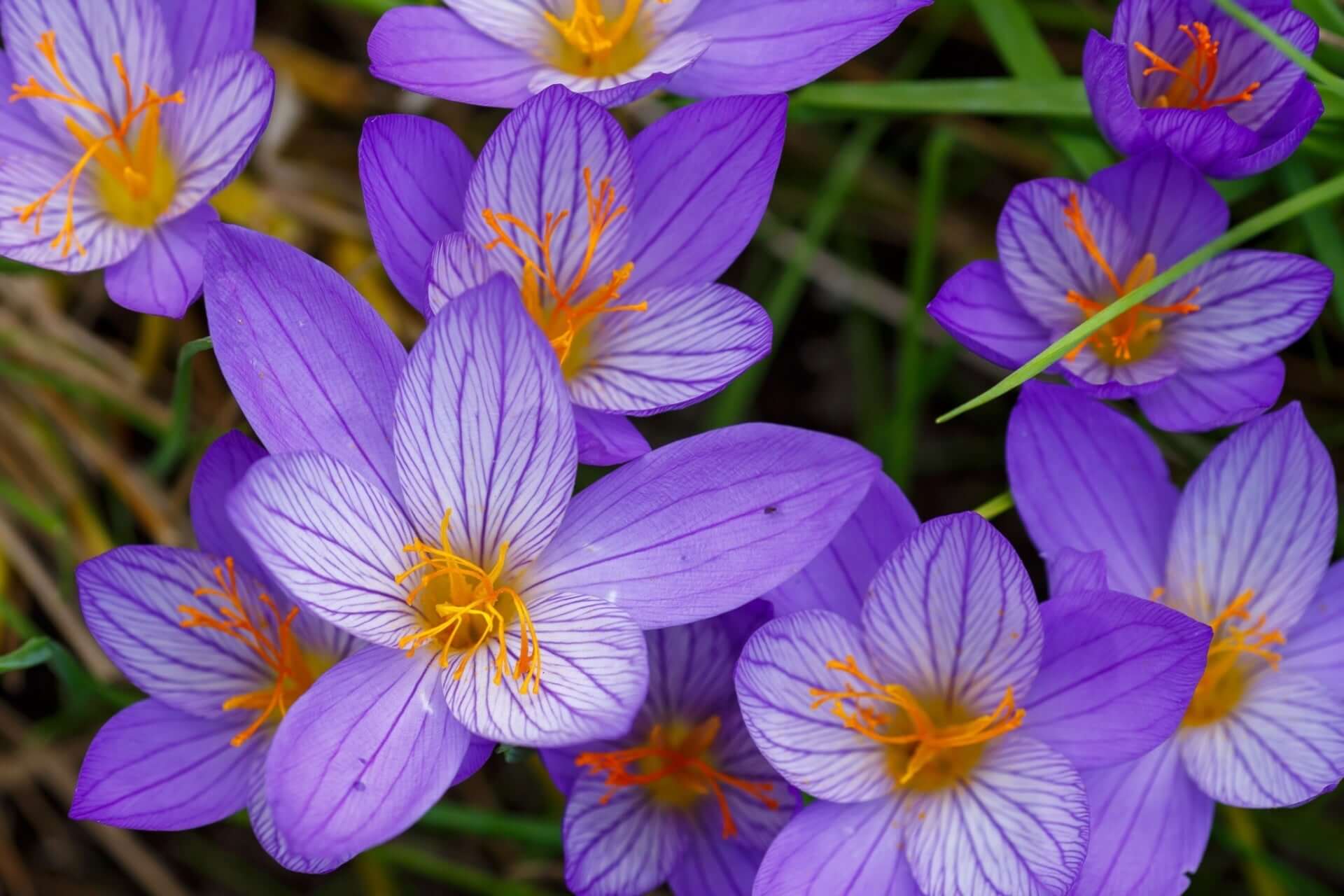
Crocus plants are some of the first flowers to wake up the garden after winter. These bright, tough flowers push through cold soil and make the landscape look better long before most spring perennials do. Crocus flowers are popular with gardeners because they are reliable, come in many colors and naturally multiply over time.
This guide talks about why Croci bloom early, popular types, how to plant them, how to grow crocus, the value of native crocus species and expert tips for keeping your Crocus spring flower displays healthy year after year.
Why Croci Plants Are Among the First to Bloom
Croci have changed over time to do better in cool weather. The bulbs store energy all year long, so they can bloom as soon as the light levels go up. This gives gardeners a beautiful burst of life when the rest of the landscape is still.
Early blooming is also good for ecosystems in the backyard. When food is scarce, bees and other early pollinators depend on flowers crocus plant patches for food. Croci are also tough; they can handle snow, frost and changing temperatures without any problems.
Useful tips:
- For the earliest blooms, plant Croci in sunny or lightly shaded areas
- To improve the health of organic matter and roots, add compost
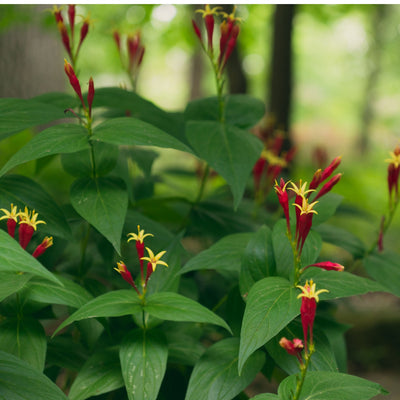
- Combine Croci with early natives like Indian Pink to get a layered look
Popular Crocus Varieties to Grow in Your Garden
There are a lot of pretty crocus flowers that do well in home gardens. Choosing a mix of types will give you a wider range of colors and longer blooming times.
Crocus choices that are popular:
- Crocus vernus has big, bright purple and white flowers
- Crocus chrysanthus has petals that are golden yellow
- Crocus tommasinianus is great for naturalizing and making drifts
Gardeners who care about biodiversity often choose native crocus species that help soil organisms and good bugs. These plants do well in most types of soil and don't need much care.
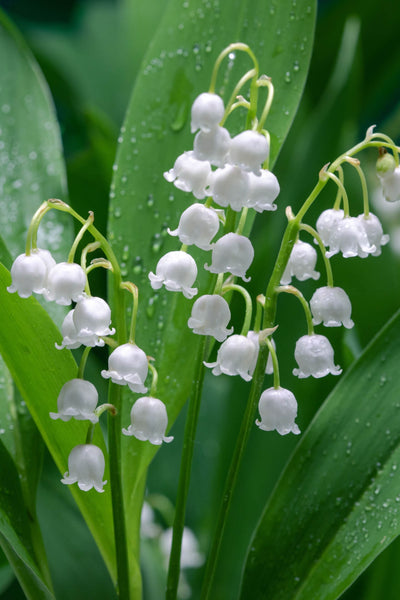
Pair Croci with perennials like Lily of the Valley to make a soft, woodland style garden that looks even better in the spring.
Helpful hints:
- Combine early and mid season types
- Use organic mulch to protect bulbs
- Pick places with good drainage to keep things from rotting.
How to Plant and Grow Croci Successfully
A lot of gardeners want to know How to grow crocus and the good news is that crocus are very easy to grow. Plant bulbs in fall so they establish before winter. Their natural hardiness makes them suitable for both beginner gardeners and experienced growers.
Planting essentials:
- Put bulbs in the ground 3 to 4 inches deep
- Pick soil that is loose, well drained and has compost in it
- For fuller displays, space bulbs 2 to 3 inches apart
A lot of different types of microbes and healthy soil organisms help plants grow strong and have bigger blooms. Adding compost improves organic matter and boosts root health.
Helpful advice:
- Water lightly after planting
- Don't water too much in the winter
- Add fresh compost each fall to strengthen bulbs
Best Companion Plants for Croci Blooms
Croci look great with a lot of early spring perennials and bulbs. Putting them with other early risers makes the garden look better and improves the quality of the soil as a whole.
Best friends:
- Snowdrops
- Hellebores
-
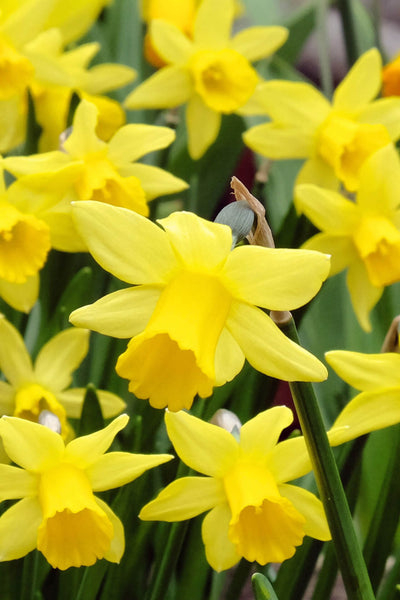
Daffodils in the spring
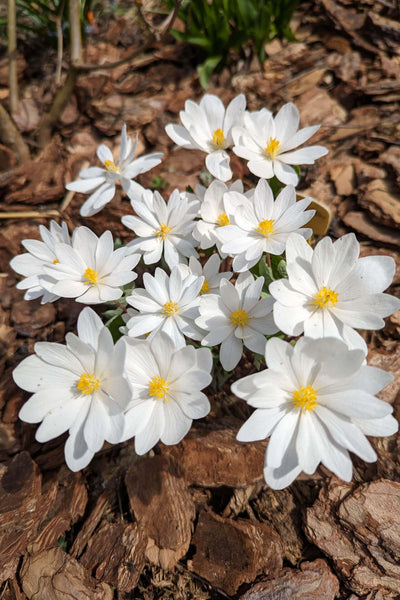
- Woodland natives such as Blood Root
Companion planting helps Croci stand out while supporting pollinators. It also improves soil structure and moisture retention, benefiting bulbs throughout the growing season.
Helpful tips
- Plant Croci in clusters for strong color impact
- Mix heights to add depth to your spring display
- Don't cut off the leaves after the flowers bloom; they store energy
Tips to Keep Croci Plants Coming Back Every Spring
Once they are established, crocus plants come back every spring. If you take care of them, they will grow and spread into lovely drifts that make the garden look better every year.
Important care tips:
- Let the leaves die back on their own so the bulbs can recharge
- Don't mow or trim too soon
- Add compost to the soil in late summer to make it richer
Every season, gardeners who take care of microbial diversity and keep soil organisms healthy will see stronger blooms. To keep the roots healthy, don't compact the soil around the bulbs.
Useful advice:
- Mark off areas surrounding bulbs so that they don't get dug up.
- Every three to four years, split up crowded clumps.
- Put a light layer of mulch on top of the bulbs to protect them from temperature changes.
Conclusion
Crocus flowers bloom every year and add bright color to the early spring. These happy bulbs grow well with little care and make the landscape look nice at the end of winter. You can make a colorful spring display that helps pollinators and makes your garden better every year by putting Croci with Indian Pink, Lily of the Valley and Blood Root.
FAQs
What is a Croci plant?
A Croci plant is a type of crocus that blooms early and has bright colors in the spring.
When do crocus plants bloom?
Most crocus plants bloom in the spring or late winter.
How do you plant croci bulbs properly?
Put bulbs in soil that is organic and drains well and make sure they are 3 to 4 inches deep.
Will crocus bulbs spread or multiply?
Yes many types of plants grow well on their own and make bigger clusters each year.
What plants grow well with croci?
Croci look great with snowdrops, hellebores, daffodils and native plants like Blood Root.