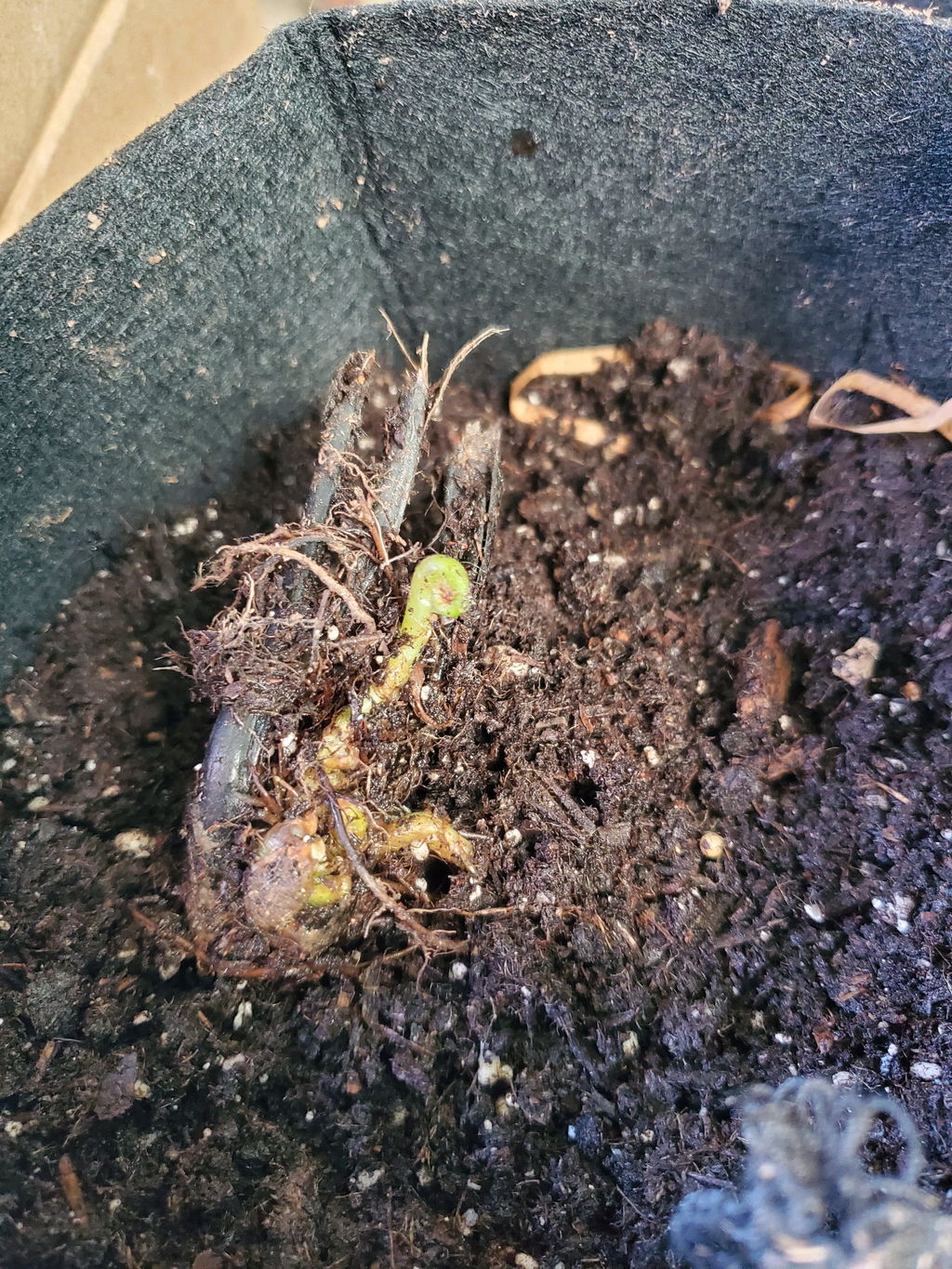
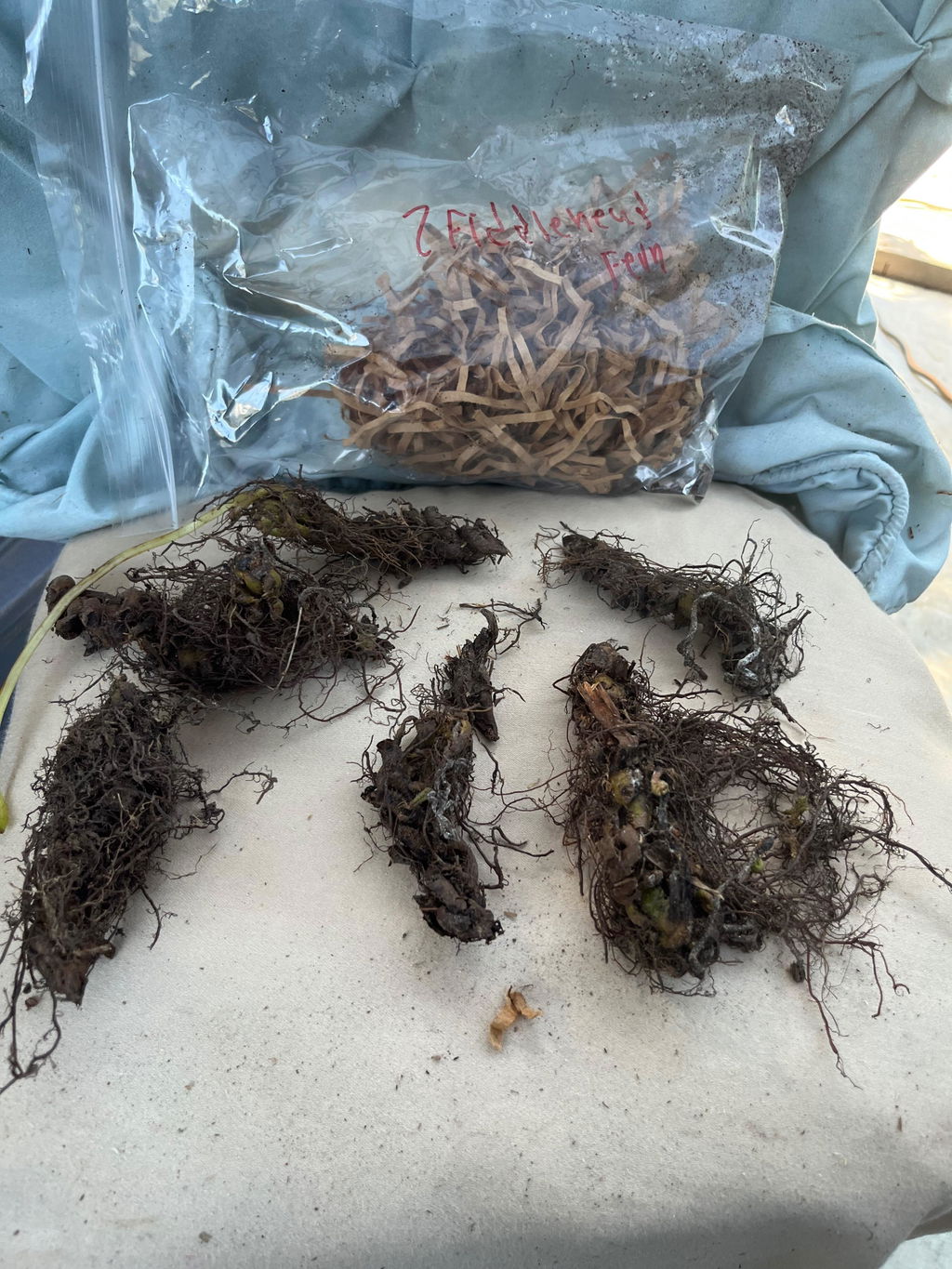
Fiddlehead Fern Details
Fiddlehead ferns are tightly coiled‚ rolled-up fronds of the fern plant․ The fronds resemble the scroll of a violin․ The waxy green curls emerge during early spring and are regarded as a seasonal delicacy‚ bringing with them the green colors of new growth to a scene made colorless and lifeless by winter․ These ferns grow in temperate regions throughout the world‚ usually in moist‚ shaded conditions․ They are cultivated increasingly because of their edible value․ Fiddlehead ferns are also a source of antioxidants‚ and thus may appeal to those who wish to grow their own sustainable food source․ This article seeks to provide a thorough overview of these ferns‚ including information on how to grow them‚ their special properties‚ and the wonders they hold for all who choose to cultivate them at home․
Fiddlehead ferns are also widely grown by gardeners
They tolerate a range of conditions and environments‚ but generally do best in rich‚ organic‚ moist soils in shaded areas of the garden with around 50% filtered light‚ replicating the conditions in which they grow naturally․ Fiddlehead ferns are usually sold at your local garden center as young plants‚ which are grown on in this case․ Fiddlehead ferns can also be propagated from fern spores although this does require much more skill and patience to be successful․ Once planted‚ the ferns require evenly moist soil all the time‚ without being waterlogged and disturbed․ The plants‚ if cultivated properly‚ are tolerant species and can be encouraged to grow‚ so that even the most shriveled section of the garden can grow lush vegetation․
These Native Ferns are in Upscale Arboretums and Landscaping Gardens
In terms of their growth‚ fiddlehead ferns are quite an attractive addition to your garden․ The ferns can grow between one and three feet tall‚ offering a lush foliage backdrop․ The tightly curled fronds unfurl into long‚ arching‚ leathery leaves․ Fiddlehead ferns are perennials‚ returning year after year in fresh growth․ The sight of fiddlehead ferns can create an aura of stability in a garden․ Cycads are known to spread and colonize‚ and as they grow‚ they will form colonies or clumps from their underground rhizomes to form dense patches․ However‚ these will also contribute to the habitat and foraging needs of the garden ecosystem‚ in the form of attracting birds and helpful insects and adding organic matter in the form of fallen leaf litter in the form of periodic frond dieback․
Aesthetic appeal․ Fiddlehead ferns can add beauty to gardens or natural areas with the bright green color commonly associated with spring‚ and the coiling nature of the fronds‚ which can appear whimsical․ Fiddlehead ferns can be grown in shaded borders and beds‚ intermingled with other shade-tolerant plants to provide contrast‚ or left to grow as they would in the wild․ They are easy to grow and care for and are well suited to a beginner's garden․ Though they can adapt to poor conditions with their rapid growth and hardiness‚ the plants are most visually pleasing when cared for properly and they have a harmonious visual appeal that makes them well suited for a lively garden․
The Many Uses for Fiddlehead ferns
Fiddlehead ferns can be grown in a number of areas as edibles‚ for example in a garden or shaded area of your property‚ or even in your backyard in a container garden․ It is during this early spring period‚ while the fronds are still curled in the fern stage‚ that the curled fronds are harvested․ Young curled fronds are prized by foodies and trend-setting chefs for use in gourmet dishes‚ and are also considered to be a superfood․ The fiddlehead fern is a tasty edible with a lovely aesthetic․ Fiddlehead ferns are an example of how gardening can serve a dual purpose in our lives: beautifying the landscape‚ and providing us with delicious‚ nutritious foods․ For home gardeners‚ they are a time of year to look forward to‚ for it means that spring is really here․
In conclusion‚ fiddlehead ferns are a splendid addition to the garden‚ and bring beauty‚ uniqueness‚ and sustainability in one swoop․ As gardeners become more aware of their growing habits and how they can benefit the environment‚ they may be tempted to try growing them․ From the garden to the table and the coils of the fronds that come in the spring‚ fiddlehead ferns are a reminder of what we can grow in the world‚ whether it's for eating or for beauty․ They're not just a plant‚ but a symbol of the bond we can have with plants and the gift of the world around us․