Bloodroot: Facts and Information
Bloodroot (Sanguinaria canadensis) is one of the first native wildflowers of spring, opening pure white, star-shaped flowers on sunny days in March and April.
Physical Attributes
- Flowers: White, 8 to 12 petals, about 2 inches across, with golden stamens.
- Leaves: A single large, lobed leaf wraps around each flower stem as it emerges.
- Height: 6 to 10 inches.
- Name: Its roots and stems contain a red-orange sap, which gives it its name.
- Hardiness: USDA zones 3 to 9.
An Old-Fashioned Garden Favorite
Bloodroot has long been treasured in woodland gardens. Its fleeting flowers are followed by handsome leaves that remain into summer, and colonies grow larger each year. Its sap was historically used as a natural dye. The sap can irritate skin, so wear gloves when handling roots.
Its Purpose in a Native Garden
- One of the earliest flowers for native bees.
- Ants spread its seeds, helping colonies grow.
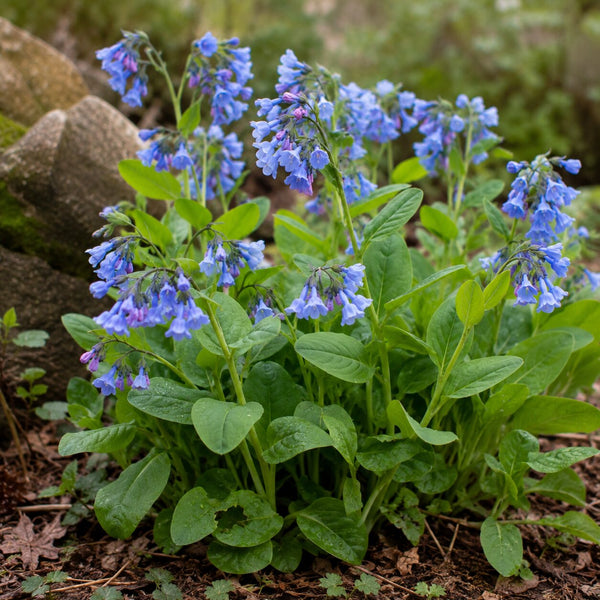
- Pairs beautifully with Virginia bluebells, trilliums and ferns.
Growing Tips
- Plant in part to full shade under deciduous trees.
- Use rich, moist, well-drained soil.
- Mulch with shredded leaves.
Explore our perennials and ideas to attract wildlife.
Why Gardeners Trust TN Nursery
TN Nursery has grown native wildflowers on 170 acres in Tennessee since 1959, and our plants have been chosen for Arlington National Cemetery and the Washington Monument. Contact us with questions.