
Attracting Wildlife: 10 Creative Strategies
Imagine walking outside your back door and hearing the birds all around‚ or the rustle of small animals going about their business‚ or the peaceful hum of bees doing what bees do․ A garden which attracts wildlife and improves the local flora and fauna is a fun and worthwhile DIY challenge․ With a few easy adjustments and some creativity‚ we can attract a collection of creatures‚ large and small‚ to make our yard their home․ It isn't just about beautifying our living spaces․ It is also about giving something back to the environment‚ and about witnessing the dance of life unfold in our own backyards․
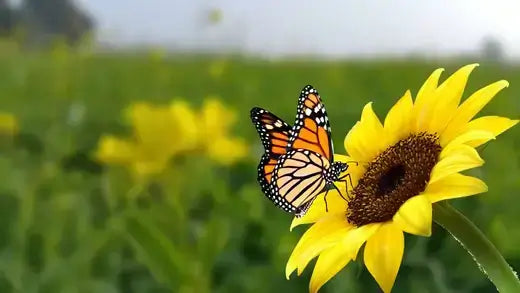
The most meaningful step in attracting wildlife to your yard is planting native plants․ Native plants are plants that occur naturally in a particular region and are important components of a local ecology․ In contrast to exotic plants‚ natives are a food or home resource for native insects‚ birds‚ and other animals․ Wildflowers like the coneflower‚ black-eyed Susan‚ and milkweed are a food source for butterflies and bees needing nectar for survival and reproduction․ Another option is to plant fruiting native shrubs such as elderberry or dogwood‚ which will provide berries for birds․ One could also plant oaks or pines‚ which can support a huge variety of living things․ Native plants add aesthetic and biological benefits‚ encouraging wider varieties of birds and other insects․
Use Water Features to Attract Wildlife
Water features can transform a static garden into a biotope․ The sound and reflection from water add an interesting dimension‚ and the area becomes a bathing area for birds‚ a moist area for frogs‚ and an attractant for insects and other invertebrates․ Alternatively‚ a small pond‚ bird bath or decorative water fountain can be used․ The sound of water gently falling and flowing can attract wildlife to take a drink or have a bath in it․ In addition to this‚ make sure the pond has sloping sides so small creatures can reach‚ and leave‚ the water easily‚ and plant vegetation around the edges․ As it matures‚ a well maintained pond can support an increasing array of wildlife‚ providing a habitat not just for birds‚ but also for insects and amphibians․
Finches and sparrows are other bird species that can be attracted to bird feeders․ Finch feeders may be filled with a variety of seeds․ Some common seeds are sunflower seeds‚ thistle seed‚ safflower seed‚ peanut hearts‚ white millet‚ or cracked corn․ Finches tend to be more colorful than sparrows․ If you want to attract woodpeckers and insect-eating birds‚ put out suet feeders․ Put out nectar feeders to attract hummingbirds․ Make sure to put these feeders in a wooded or bushy area where it will be away from your yard's noise‚ making the birds feel safe while they eat․ Moreover‚ creating a feeding schedule‚ to note which birds visit at what time‚ can make every meal a delightful spectacle of nature right outside your window․
Some people design their yards to provide habitat for year-round wildlife․ However‚ some seasonal birds‚ plantings‚ and mammals can benefit more depending on the season‚ so more benefits of spring garden planning may be directed at springtime birds‚ animals‚ insects‚ and plants․ Plant flowering bulbs to provide large displays and insect food‚ and trees or shrubs will offer summer nesting sites and shelter․ Planting berry-producing shrubs in the autumn provides food for birds and other small mammals‚ as they prepare for the winter months․ In winter‚ seeds also provide sustenance for hungry birds and so leaving plants like sunflowers standing through the winter is a form of habitat management in itself․ With a habitat managed this way‚ there will always be something out there to discover as each season has its own variety․
Invite Nighttime Wildlife with Dim Lighting
Night time and night scenes: Consider attractions and plants that will bring out different kinds of creatures․ Dim lighting along paths‚ ponds or water features can allow visits after dark‚ and preserve the feel of your property being a natural environment․ A simple bat box will provide a home for these interesting creatures‚ who snack on enormous quantities of insects and provide a natural form of pest control․ Night-scented or flowering plants will attract moths․ If you have resident owls in your area‚ boxes will encourage them to hunt your garden's rodent pests quietly․ But when the sun goes down and you accept the night‚ you begin to see a whole other world of wildlife activity‚ of nature․
By attracting wildlife to your yard‚ you will become an even better steward of the environment and add fun and excitement to your garden․ You can add native plants‚ water features‚ bird feeders‚ seasonal variety‚ and nighttime visits to create a wondrous wildlife garden that is sure to amaze you․ And in my experience‚ when you spend time in relationship with the natural world‚ this allows you to understand your role in the whole and how you are a caretaker even in the midst of busyness․ You begin to see and appreciate the little moments of joy that give your yard a bit of magic: the sparrow that takes time to bathe‚ a butterfly that lands on a flower‚ or simply an owl's call in the night․


