
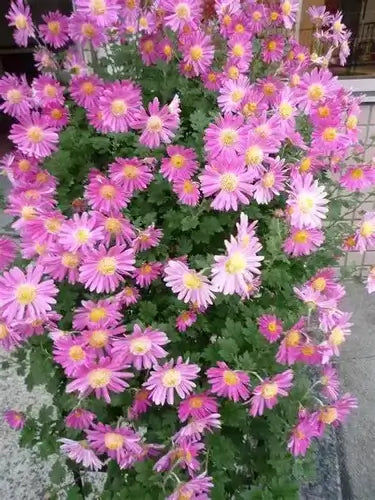
Big and Bold Perennials for Tennessee Gardens: A Complete Guide to Growing
If you want a garden that makes a big impact from the far end of the yard‚ plant perennials like Joe Pye Weed‚ hardy hibiscus and ironweed that grow between 5 and 7 ft․ tall‚ have dinner plate-sized flowers and come back every year without you having to lift a shovel․ For the Tennessee gardener in hardiness zones 6a through 7b‚ they are not only beautiful but some of the toughest plants you can put in the ground․
Big perennials solve a real problem: every garden has that fence line‚ that corner‚ that looks empty from May to October․ And perennial plants fill that void․ Large‚ clumping native plants like Joe Pye Weed or Ironweed can create a structural element in a garden‚ and will not need to be replanted every spring like annuals․
Why Bold Perennials Work So Well in the Southeast
Tennessee summers are hot and humid‚ with mild to cold winters․ As a result‚ many of the larger and more colorful native perennials are found in Tennessee․ Ironweed‚ Milkweed, and other natives are ideally suited to the end of the Appalachian chain that includes Tennessee‚ having adapted to the clay soil and summer rains of the region‚ which are unsuitable for most conventional perennials․
The deep roots do something most gardeners don't think about․ They break up that hard‚ compacted clay as the plants get older․ These three-year-old clumps of Joe Pye Weed here have roots that run down two feet or more‚ breaking up the clay‚ allowing more water and air to get below․ That's a measurable benefit‚ not just a nice side effect․
Best Big and Bold Perennials for Tennessee Gardens
Milkweed (Asclepias) Common Milkweed is a perennial 3-5 ft․ tall‚ bearing clusters of pink-purple flowers in June and July․ It is the required host for the monarch butterfly‚ which should visit your yard if planted․ It tolerates poor‚ dry soil better than almost any other plant on this list‚ but as it spreads by rhizome‚ give it plenty of space or only plant it where it is welcome․
Ironweed (Vernonia) Ironweed's native range is Middle and East Tennessee․ It grows 5 to 7 feet high with dense heads of deep purple flowers blooming in August and September when most other perennials have long since faded․ It grows better than most tall perennials in heavy soils‚ making it well-suited for low‚ wet ground that doesn't drain quickly after a rain․
Joe Pye Weed (Eutrochium) This is the classic back-of-the-border plant‚ 5 to 7 feet tall‚ with dusty mauve-pink heads that are the perennial butterfly magnet all summer long․ This plant likes moisture‚ so plant it where there is a downspout or a low area that can collect some water․ Once fully established in two growing seasons‚ the bed is virtually maintenance-free․
Hardy Hibiscus (Rose Mallow) For the biggest bloom in the garden, go with this one! Its bloom is a giant that measures from 8 to 10 inches across․ Such plants grow to 4 to 6 feet and consequently die back to ground level in winter․ If you don't see any signs of life until late April or May‚ don't panic: hardy hibiscus isn't dead‚ just slow to wake up․
Cardinal Flower (Lobelia cardinalis) This is only a few feet tall‚ but the tall spikes of red flowers are hard to beat for hummingbird activity․ Preferring constantly moist soil‚ it does very well when planted next to Ironweed or at the lower and wetter edge of a border․
Designing With Bold Perennials
Height is especially important with these plants․ A 6-foot Joe Pye Weed in front of a perennial bed can block more than just sunlight․ Tall plants such as Ironweed (Vernonia) and Joe Pye Weed (Eupatorium) belong at the back of a perennial border and in the center of an island bed․ Hardy hibiscus can be used in the middle of a border with shorter flowering plants in the front․
They are often spaced too closely․ By year three‚ a clump of mature Ironweed will need 3 feet (91 cm) in all directions․ Too close means fighting for air‚ assisting the spread of powdery mildew in humid Tennessee summer․
Planting and Care
Soil preparation: A layer of 2 to 3 inches of compost worked into the top 8 inches of soil provides a better start‚ but most of these perennials tolerate average soil conditions․
In Tennessee‚ a fall planting (September and October) is preferable as the roots have more time to develop before the summer heat․ If spring planting is chosen‚ do so before mid-April to allow some root development before July heat․
Water: Newly planted perennials will need to be watered every week or so for the first 6 to 8 weeks (1 inch of water in a week's time if not provided by rain)․ After the first full growing season‚ most perennials need only supplemental water during periods of two or more weeks of drought․
Mulch: A 2-inch layer of shredded bark or leaf mulch helps keep roots cool during July in Tennessee.
"

