
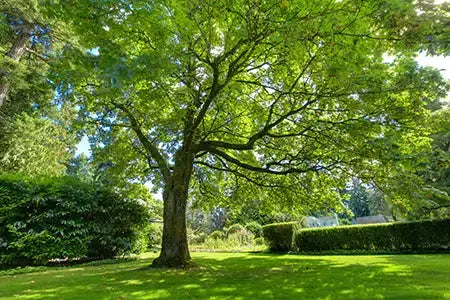
Benefits Of Shade Trees
Whether it is the backyard of a sprawling estate‚ a small sunny city yard‚ or anything in between‚ the addition of a large shade tree can add to an ideal backyard atmosphere․ These majestic trees have many benefits in addition to being an aesthetic focal point․ Another great amenity for a backyard is shade trees․ This type of tree can provide shaded areas for retreat from the sun's heat․ They help cool the surrounding air‚ filter and clean the air‚ and improve the air quality․ Some of the better shade trees can provide a nice reading spot or picnic table for summer barbecues or afternoon relaxation․
Shade trees serve a more helpful purpose than sheer aesthetic appeal․ Shade trees can cool the air by blocking the sun's rays and by releasing moisture by means of transpiration․ The same shade can help shield the home from the hot sun during the summer months when the sun can turn a home backyard into an oven․ Planting shade trees can also help the local wildlife population by filtering out carbon dioxide from the air and changing it into oxygen․ Shade trees raise property value․ If you are planning to sell your home‚ trees will add to its curb appeal․ Home buyers will find your property more attractive in a crowded real estate market․
Seasonal Color Changes
The leaves of shade trees change colors each season and‚ thus‚ are dynamic elements in the backyard landscape․ Many species flower and unfold new green leaves in the spring to mark the yearly arrival of the warm season․ During summer‚ the leaves of these trees provide green canopies for relaxation and recreation‚ while in autumn‚ this shady landscape puts forth a whole new set of colors․ Seasonally attractive trees with colorful oranges‚ reds‚ and yellows‚ the colors of autumn foliage transform backyards into a gallery of art․ In winter‚ deciduous trees without leaves can add to the seasonal interest of the landscape․ In winter‚ the skeletons of bare branches can add to the beauty of the landscape‚ including views from within a house‚ even if the yard is covered in snow․ Select a tree of interest in all four seasons․
Most shade trees require little maintenance other than occasional trimming and pruning for shape and health‚ though some require a considerable amount of attention․ Homeowners interested in planting shade trees should learn what maintenance practices they need․ In addition to the measurements of the trees‚ such as the width of the roots and height‚ consideration must be made as to how a tree will grow in a particular area․ Trees require space‚ as certain roots of a tree may invade a garden or foundation of a building‚ and newly planted trees may require watering for the first few years and infrequent fertilization to allow the tree to grow healthy and strong․ A well-cared-for tree can bring continued benefits long after it is planted‚ offering a great addition to a homeowner's landscape․
Selecting the correct shade tree involves several factors including climate‚ soil conditions‚ and the needs of the homeowner․ Each species has its own areas of extreme growth‚ meaning the tree is very successful in that environment‚ but there will also be areas where that particular tree will not do well․ Maples may be chosen for good fall color or for adaptability‚ oaks for shade and drought resistance․ Another question is whether the owners prefer the shade provided by evergreen (needled) trees in winter‚ or the light provided by deciduous (leafy) trees․ The most effective way to choose a tree is to consult with local horticulturists or garden centers regarding what trees are suitable for your local climate and your needs․
Impact On Home Cooling Costs
Shade trees may also reduce the cost of cooling a home and lead to lower energy use by providing a natural shade barrier against the heat of the summer sun and thus reduce the need for air conditioning․ Shade trees‚ where appropriate‚ can have a reduction effect of up to 20 degrees Fahrenheit (11 Celsius) on the temperature outside a building․ This can be translated into energy savings‚ and is most useful in cities where temperatures are most affected by the heat island effect․ With the continued effects of climate change and increasingly erratic weather‚ shade trees will have an even greater effect on providing cooling and should therefore be encouraged as a sustainable and environmentally friendly investment․
Shade trees provide aesthetic beauty to your property as well as many other benefits․ They can cool down your yard‚ purify the air‚ and make your home environment more visually appealing with their seasonal changes in color․ Shade trees have an important role to play in the ecology of your property and can greatly improve the quality of life around your home․ With a proper maintenance plan and a location compatible with the species' growth requirements‚ shade trees can provide enjoyment and comfort for many years․ Shade trees can be seen as living companions and‚ as trees that will provide an environmentally responsible answer to many of the challenges of the changing planet․
Ideas for Planting Beneath Shade Trees
One useful way to make a new shade tree feel established sooner is to add a lower planting layer beneath and around it. While a young tree is still filling out, mixed perennials and ground covers can soften the edges of patios, paths, and sitting areas so the space looks finished earlier.
For brighter spots with filtered light or partial shade, mixed perennial groupings can add seasonal color while the canopy develops. In deeper or more consistently shaded areas, ground-hugging plants are often a better choice because they fill open soil without competing visually with the tree.
- Use broader perennial plantings to fill larger beds around outdoor living areas.
- Choose smaller perennial groupings for narrow borders, entry paths, or compact seating areas.
- Consider ground covers on slopes, along walkways, or in open spaces under taller plantings where you want coverage without blocking sightlines.
- If deer are common in your area, look for deer-resistant options for the underplanting layer as well as the tree itself.
It also helps to match the underplanting to the light conditions. Partial shade supports the widest range of flowering companions, while full shade usually calls for plants selected specifically for low-light conditions. Layering the landscape this way can make a backyard feel cooler, fuller, and more inviting even before the shade tree reaches maturity.


