
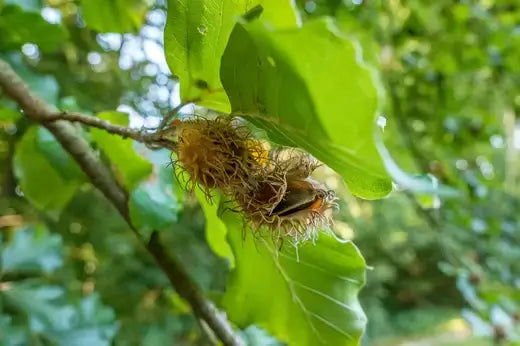
The Benefits of Planting an American Beech Tree in Your Backyard?
Beech trees Beech trees are deciduous trees that produce leaves in the spring, flowers in the summer, and fruit in the fall. The beech tree is a member of the Fagaceae family and has a long history as an important timber tree.
How Do You Take Care of a Beech Tree?
The most important thing is to water it regularly during dry spells. It also needs fertilizer yearly. Apply a slow-release fertilizer or a granular fertilizer in the spring when there is new growth on the tree.
How Much Sunlight Can a Beech Tree Take?
Beech trees are known for their tolerance of shade. They can tolerate full sun, partial shade, and even deep shade.
Do Beech Trees Back Up Every Year?
Yes, beech trees back up every year. Beech trees are deciduous trees that shed leaves in the fall but grow back in the spring.
What Does a Beech Tree Look Like?
Beech trees can grow up to 70 feet tall. They have a straight trunk and smooth bark, which can be brown or gray.
American Beech Care and Watering
They grow impressively tall, between 50 and 80 feet, and feature a wide rounded top. Unlike many trees, which develop deep furrows or cracks during aging, they maintain their smooth, pale gray bark throughout their life. During summer the tree displays rich green elliptical serrated leaves which transform into a warm golden color through autumn before drying into light brown and remaining attached throughout winter.
European botanists officially recorded it during their 18th-century explorations of New World forests. Indigenous peoples had long-standing knowledge of this tree long before European documentation occurred. Various Native tribes held the tree in high regard within their folklore because they recognized its vital role in maintaining ecosystems and its function as a food source through its edible nuts.
American Beech Size and Growth Rate
The strong pale wood of this tree became immediately valuable to European settlers for making furniture and flooring and constructing early printing presses. It represented endurance by growing tall in forests for hundreds of years with its smooth gray bark and wide canopy. It demonstrates unique behavior among deciduous trees by keeping its golden leaves attached through winter, which beautifies the otherwise barren landscape.
During spring the tree generates yellow-green flowers which subsequently develop into its characteristic triangular nuts. Wildlife depends on these spiny-husk enclosed nuts for nourishment. Its roots spread widely and stay close to the surface which helps them to stabilize slopes while preventing erosion.
American Beech Problems and Pests
It has been employed for numerous medicinal purposes throughout human history. The inner bark of trees provided Indigenous peoples with tea that helped treat lung conditions and digestive problems alongside fevers. Healing properties in the leaves allowed people to apply them as a poultice for burns and infections due to their mild antiseptic qualities. The bark served as a well-known remedy for skin irritations, boils, and poison ivy due to its astringent properties.
During the early days of American folk medicine practitioners extracted oil from beech tree wood which was believed to possess both antiseptic and expectorant qualities making it beneficial for treating respiratory diseases such as bronchitis and tuberculosis. Although contemporary medical approaches have mostly supplanted these traditional treatments, both holistic practitioners and herbalists recognize the therapeutic value of the American Beech .
It serves as an essential provider for wildlife as many species depend on its nutrient-rich nuts for food. A variety of birds and mammals eat these nuts as their preferred food including wild turkeys, blue jays, black bears, deer, and foxes. Cavity-nesting birds along with small mammals find suitable nesting locations within the dense foliage and smooth bark of the American Beech .
American Beech Varieties
The rich biodiversity of North America captured by early explorers included the remarkable dominance of them in hardwood forests. Botanical classification placed this species in the Fagus genus which connects it to beech trees found in Europe and Asia. They stands out among global beech species because it possesses distinct smooth bark and uniquely shaped nuts.
Where Do Beech Trees Grow?
Beech trees grow in the northern hemisphere, including Europe and Asia. They are also grown in the United States and Canada.
American Beech and Wildlife
The American Beech (Fagus grandifolia) stands as one of North America's most important hardwood trees through historical recognition. For thousands of years, the stately it has formed dense, shaded woodlands across eastern forests of the United States and Canada while providing shelter and sustenance for both wildlife and humans. The indigenous peoples of North America quickly learned to value this tree and used its nuts to sustain themselves while turning its bark into medicinal and practical products.
About American Beech
We ship all items by 3-4 day ground shipping. We do not offer refunds, and we do not accept returns. We also do not offer a warranty unless an extended warranty is purchased at the time of order. If you need help with an order, contact us at customerservice@tennesseewholesalenursery.com or write to Tennessee Wholesale Nursery, 12847 State Route 108, Altamont TN 37301, United States.
What Are the Environments in Which Beech Trees Grow In?
They grow in various environments, including forests, woodlands, and parks. Beech trees prefer cooler climates and are often found in higher elevations.
Are Beech Trees Toxic?
No, beech trees are not poisonous. However, consumption is not recommended.
How Do You Grow a Beech Tree?
It is easy! Beech trees are hardy and can grow in many climates, including places that get cold winters. To grow a beech tree, choose the right location, plant the seedling properly, and water it appropriately.
How Do You Care for a Beech Tree?
Beech trees are easy to care for. They are open to soil and water as they are kept moist. Beech trees also prefer full sun but will tolerate partial shade. Beech trees grow best in zones 4-9.
How Did Beech Tree Get Its Name?
The name Beech Tree is derived from the Germanic language of Teutonic and may be derived from a word meaning "book. The American Beech Tree.
BookPlanting American Beech
If you're planning by hardiness first, browse our Zone 4b Plants or Plants For Zone 7 to match your local planting zones with confidence.
Plant American Beech Seedlings for dense cover, wildlife value, and reliable growth across planting zones 4-9. Keep in mind, they grow slow but reward you with decades of shade.
When you plant native american seed like American Beech Seedlings , the site decides almost everything. You'll get the best start in a spot with filtered sun , steady moisture, and soil that drains well after rain. That matters even more in zone 6 plants and many planting zones Ohio gardeners work with, where summer heat can stress young roots fast.
When you're planning a native shade planting or stabilizing a damp slope, these are the pieces we put together first. You'll find long-term canopy from Overcup Oak Seedlings, practical erosion support from living plants that hold soil and support young trees.
They need moderate water and steady moisture while they settle in. We recommend planting in well-drained soil and mulching around the base to hold moisture and reduce stress in warm weather. But don't let the area stay packed and soggy. American beech roots dislike compacted soil, so loose, aerated ground matters just as much as watering.
It acts as a vital host plant for the distinctive beech blight aphid which appears woolly white and performs synchronized "dancing" movements when agitated. Predatory beetles along with various beneficial insects become attracted to this tree because of these insects.
Soil and Sunlight for American Beech
Keep in mind, this tree matures well over 25 feet and can reach much larger over time. So give it room away from heavy foot traffic, drive edges, and spots where the soil gets compacted.
American beech gives you denser, lower branching than many other young trees, so it starts building shade character early. If you want that deep woodland feel instead of a lighter shady maple effect, beech is the better fit. It is slower than some fast growers, though. So if your top priority is speed, that tradeoff matters.
Landscapers and conservationists prefer it because of its outstanding beauty and prolonged life span. Public parks, large estates, and nature preserves often feature this tree because of its impressive appearance and the shade it produces. Historical gardens appreciate it because its broad canopy and smooth gray bark distinguish it as a striking tree among native plantings.
A beech works best when you treat it as the anchor of the space. Its dense canopy helps cool the ground, and its long life supports wildlife habitat for decades. That's a strong choice if you want a native shade tree for summer landscapes instead of a quick, short-lived fix.
For a summer landscape, we pick trees by site conditions first. American Beech is the better fit for filtered light and woodland-style shade, while red maple seedlings, willow oak seedlings, or a chestnut oak seedling suit different light and soil patterns.


