Bethany Litwiller
Milkweed, Yarrow and Blazing star arrived awesome! The plants are completely ready to go straight in the ground. I can't wait to see how fast they grow!

Queen Anne's Lace
3-9
Over 12"
Moderate and Low
Full sun and Partial shade
Summer
Easy to grow in sunny, well-drained soil. It needs little watering once established; leave a few flower heads to set seed for next year's blooms.
Full Sun
Blooms have a carrot aroma , Attracts butterflies & pollinators, Drought-tolerant & sun loving
Bethany Litwiller
Milkweed, Yarrow and Blazing star arrived awesome! The plants are completely ready to go straight in the ground. I can't wait to see how fast they grow!
Ramona Forehand
I'm excited to get my order and really excited to get it planted.Can I plant it now in August?
Janice Ruiz
The bear root yarrow roots looked healthy. I planted them and now I'm waiting to see some growth in a few weeks.
About this plant
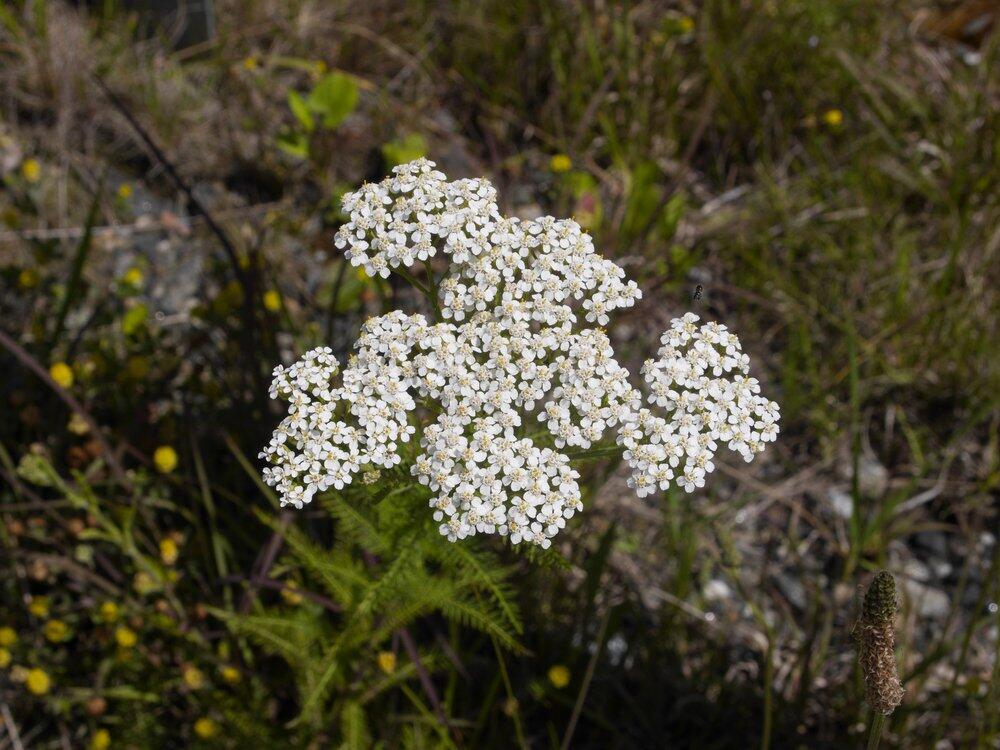
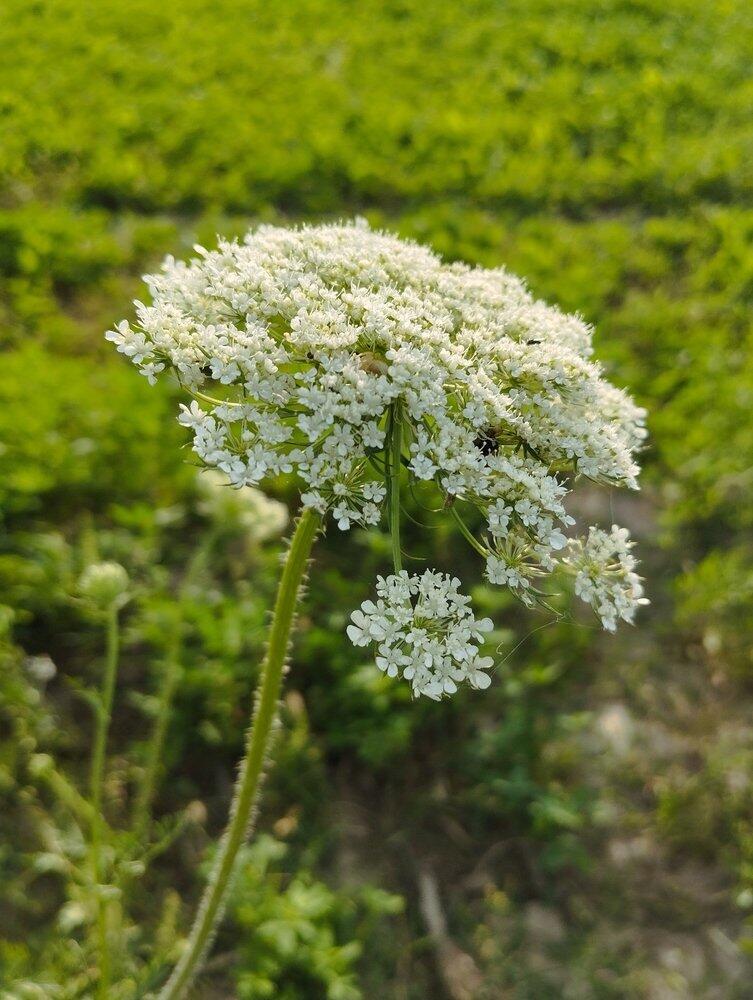
Queen Anne's Lace is one of the best-known wildflowers of North America. Its lacy white flowers resemble umbrellas, giving it a delicate, advanced appearance in the outdoors. It can be used to create a natural 'meadow' effect, in combination with other garden design elements, in less formal as well as more customary gardens. It is in bloom for most of the summer, adding old world charm while attracting a variety of helpful pollinators. Queen Anne's Lace nicely compliments native grasses and other types of native wildflowers in naturalized areas such as cottage gardens, prairie restorations, roadside plantings, or other types of pollinator gardens. The large number of flower heads sway gently in the wind, thus providing texture and soothing movement to a garden.
It grows best in full sun on well-drained soils, and when established is extremely hardy and requires little care. It is very much favored for both these reasons and for its many functional uses.
It is a long bloomer that stays in bloom for weeks. It provides nectar for butterflies, bees, and other beneficials.
The finely divided foliage adds interest before and after flowering ends.
Queen Anne's Lace has been a favorite for generations, both for its simplicity and beauty in pollinator gardens, in native plant gardens, in meadows, or in cottage gardens, for its countrified look which is suitable for almost any garden. You may wish to plant Queen Anne's Lace today to enjoy graceful white flowers and exuberant pollinators from one of America's favorite wildflowers.
Gardeners who choose Queen Anne's Lace often plant it with Chicory and Blanket Flower in a sunny meadow. Browse more in our sun perennials and wildflowers.
Queen Anne's lace grows as a biennial: the first year it forms a low rosette of ferny leaves, and the second year it sends up its tall stems of lacy white flower heads, often with a single dark purple floret in the center. It reseeds readily, so a small planting keeps returning year after year without replanting.
Give it full sun and average to dry soil. It is happy in lean ground, along fence lines and in meadow plantings where richer-soil plants struggle to settle in. Space plants 12 to 18 inches apart and water only until they are established.
The flat flower heads are a landing pad for small native bees, hoverflies and beneficial wasps, and the foliage feeds black swallowtail caterpillars. The flowers also dry beautifully for arrangements. Combine it with other pollinator plants or read more about white flowers in the garden.

Since 1959, TN Nursery has grown and shipped quality bare root plants nationwide. Shipped during dormancy, bare-root plants develop strong root systems and establish quickly. Our experienced team carefully harvests and packages every order, providing growers with trusted plants backed by over 65 years of nursery experience.
Learn More About
Bare root trees
Delicate Lace-Like Blooms:
Produces elegant white flower clusters that brighten the summer landscape.
Excellent Pollinator Plant:
Attracts butterflies, bees, and other beneficial insects.
Natural Meadow Beauty:
Perfect for cottage gardens, wildflower meadows, and native plantings.
Easy to Grow:
Thrives with minimal maintenance in sunny garden locations.
Fall Digging
Spring Digging
Packing Orders
Customer Unboxing Video
I’m very happy with my Queen Anne’s Lace! It arrived healthy and well packaged, and it has been a beautiful addition to my garden.
I love the soft, airy look this gives my garden. It mixes beautifully with the other wildflowers. It has been easy to grow and the flowers are even prettier in person.
Milkweed, Yarrow and Blazing star arrived awesome! The plants are completely ready to go straight in the ground. I can't wait to see how fast they grow!
The plants were packaged carefully and looked fantastic. They are strong, colorful, and full of life in my yard.
These Yarrow arrived in great shape, and within weeks, I noticed new growth. I’ll definitely order again.
The plants were affordable and healthy. They’re filling in slowly, but I’m confident they’ll spread out by summer.
I’m so glad I bought Yarrow from TN Nursery. It requires little care, thrives in full sun, and the beautiful blooms are a delight to see every day.
My Yarrow is blooming beautifully thanks to TN Nursery. It’s tough, reliable, and the clusters of flowers stay vibrant for weeks, making it a standout in my landscape.
TN Nursery provided top-quality Yarrow that has flourished in my garden. It’s heat-tolerant, deer-resistant, and a fantastic perennial for adding texture and color.
The Yarrow plants I received were carefully packed and easy to plant. They’re thriving quickly and already drawing butterflies and bees to my yard.
I couldn’t be happier with the Yarrow from TN Nursery. The plants are lush and full of life, and they add long-lasting blooms that brighten up my landscaping beautifully.
TN Nursery sent me healthy Yarrow plants that are thriving in my sunny flower bed. They’re low-maintenance, drought-tolerant, and perfect for a pollinator-friendly garden.
The Yarrow I ordered from TN Nursery arrived in excellent condition, with strong roots and vibrant foliage. They established quickly and are already producing colorful blooms that attract pollinators.
I'm excited to get my order and really excited to get it planted.Can I plant it now in August?
The bear root yarrow roots looked healthy. I planted them and now I'm waiting to see some growth in a few weeks.
I received two tiny starter plants, they were very slow growing at first when I planted them indoors during frost season. But as soon as it warmed up and I transferred them outside, they grew fast! They are very tall with big blooms that look like lace. So pretty.
My roots arrived today well packaged. Still damp and in good shape! Can't wait to see them grow up and be bi strong plants in my new perennial garden/fish pond! Prices were also very reasonable, will purchase additional plants in the near future as well.
Just waiting to make sure they survive.
Arrived 6 days after shipment but are healthy with green sprouts.
Yarrow
Yarrow plugs were well preserved for shipment. The price was unmatched & quality of plants were great! Will definitely purchase from TN Nursery again!
Excelent!
I have received them and placed them immediately in the friend right beside some tiny ones who are still giving their Al. That’s all in one end of a raised bed. The other end has 12 someone started for me that are thriving! I’m hopeful the new ones will take off soo! Thank you!
My order arrived as promised.I planted all of my bare roots, labeled their locations and now waiting for spring to arrive! Actually the Yarrow has begun to grow already. Crazy climate we are experiencing.
Not going to lie, I was doubtful when these arrived in little baggies with just the bare roots. But I planted all that I ordered (about 12 plants), and I believe all but one are doing great! Can’t wait to watch them thrive.
Too soon to tell
I potted the plant and it is off to a good start. Has a small white bloom on a 6 inch stem. It is sitting in the garage waiting for the danger of frost to be over so that it can good outside. I will probably be ordering more.
The yarrow plant (roots) came on time, they look good and should make some nice plants.
My twenty plants arrived in perfect condition. Their roots were healthy, and their tiny, feathery leaves were a beautiful green!
My twenty plants arrived in perfect condition. Their roots were healthy, and their tiny, feathery leaves were a beautiful green!
These arrived in great shape and packaged nicely. I got them planted.. Can't wait to see what they look like in the spring.
this looks great with the other wildflowers
We’re really grateful and appreciate you taking the time to share your rating with us, Michael. We hope to see you shopping with us again!