Pawpaw Tree Details
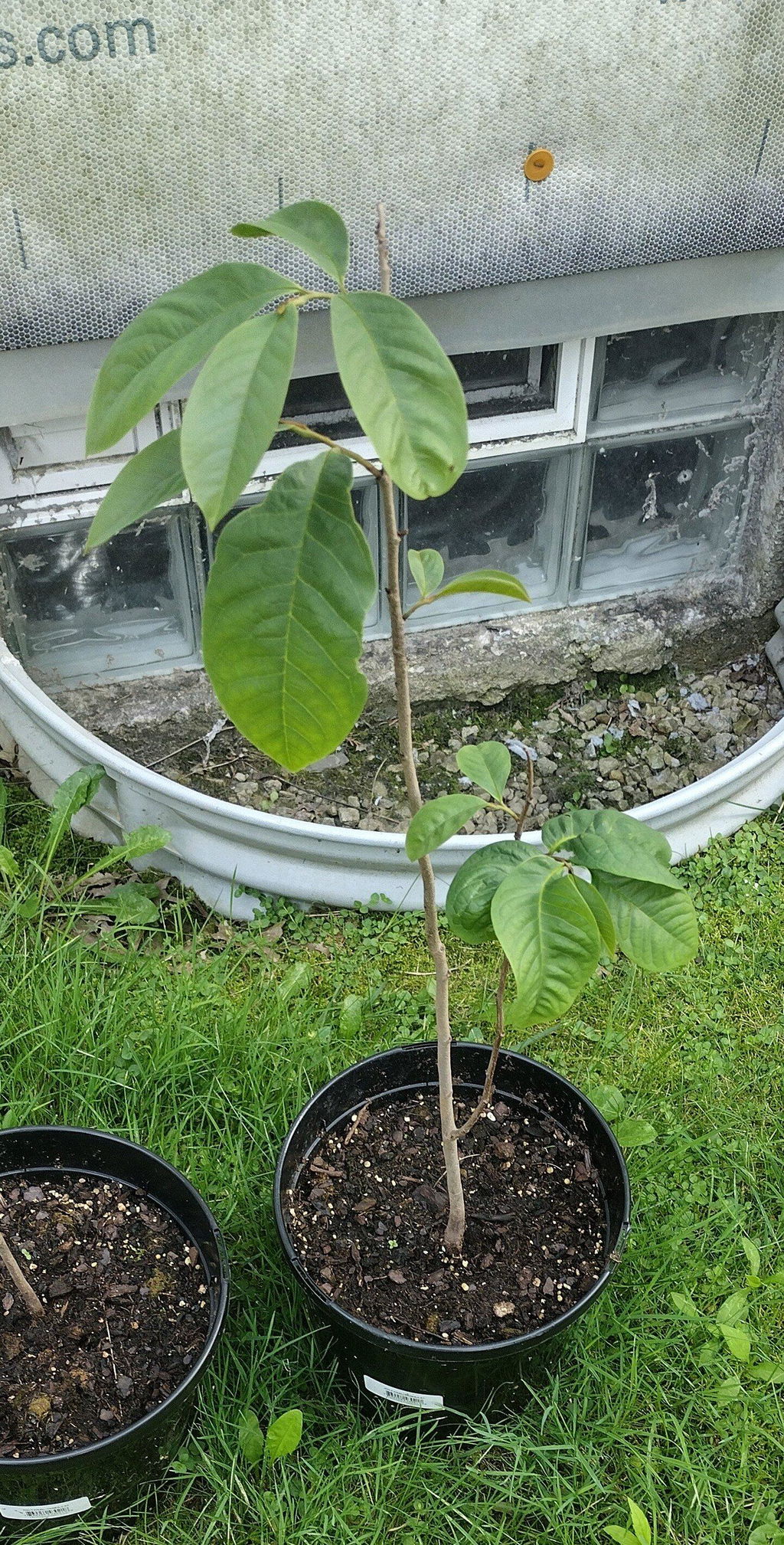
The pawpaw tree (Asimina triloba) bears the largest edible fruit native to North America. The fruit has a rich, tropical flavor, and the tree supports wildlife, pollinators, and healthy native ecosystems. This fruit is rarely sold in stores, so the best way to enjoy it is to grow your own.
With TN Nursery offering pawpaw for sale, you can grow the same native fruit that Thomas Jefferson grew at Monticello.
It’s best to plant young trees where they get some shade. Once they grow larger, they can handle full sun. They do best in rich, moist soil under a layer of mulch. Pawpaw is hardy in USDA zones 5 to 8, so it grows well across much of the Eastern and Central United States.
The zebra swallowtail butterfly likes to lay its eggs on pawpaw, and its caterpillars feed only on pawpaw or its close relatives. So you should expect to see these butterflies around your trees in spring and summer.
- Hardiness zones: USDA 5-8
- Mature size: 15-30 feet tall, with a 15-20 foot spread
- Light: partial shade when young, full sun to partial shade once established
- Soil: moist, rich, well-drained, slightly acidic
- Pollination: plant at least two trees, since a single pawpaw cannot set fruit
- Heights shipped: 1-2, 2-3, 3-4 or 4-5 feet
- Packs: Buy 1 Get 1 Free (two trees), 25 trees or 100 trees
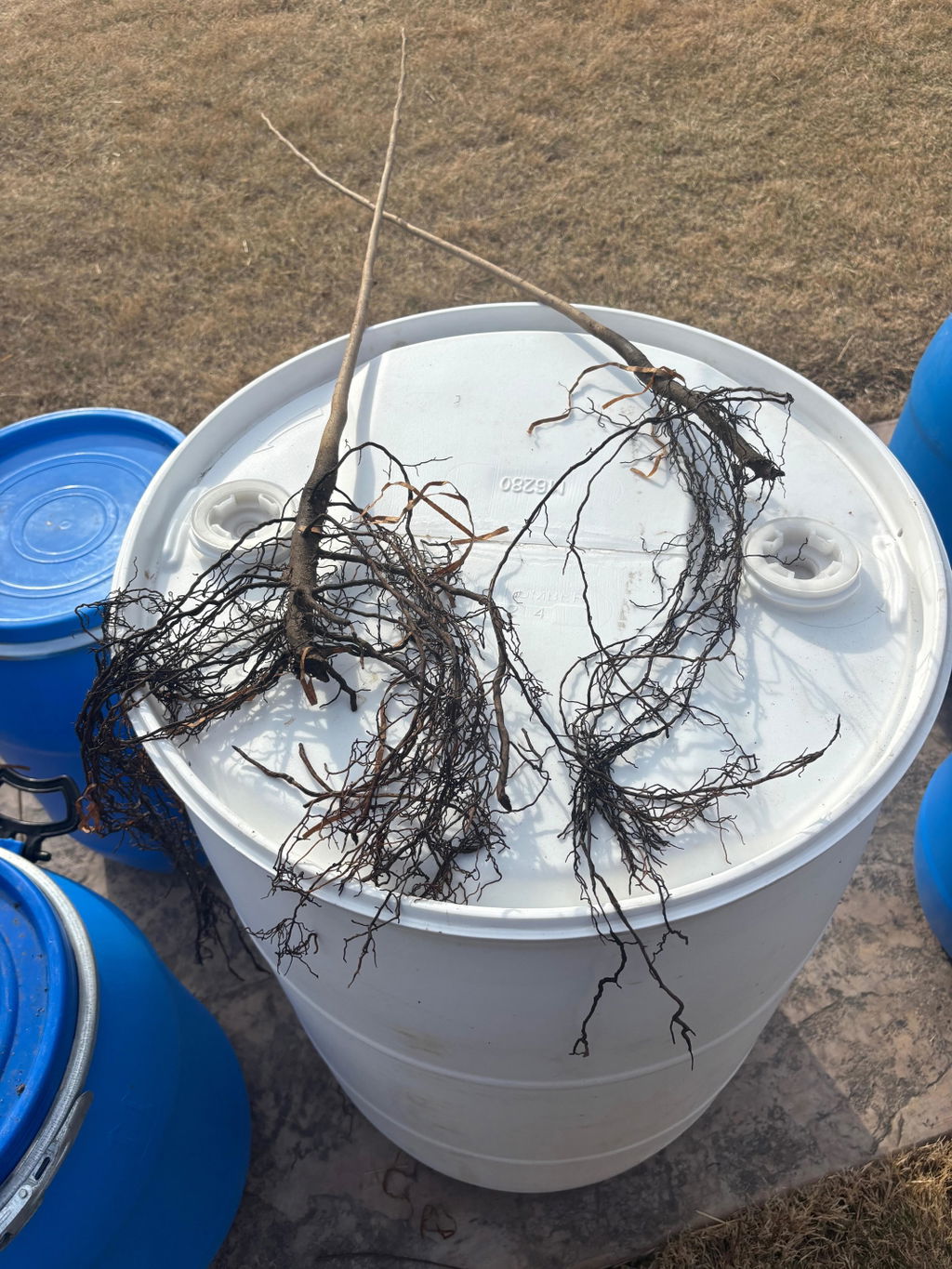
- Shipped as: bare-root, from our Tennessee nursery to gardens nationwide
Pawpaw for Sale: Bare-Root Trees From Our Tennessee Fields
We grow our pawpaw trees by the field at our Tennessee family nursery. Pawpaw trees are hard to find at garden centers, and you usually find pawpaw for sale as a single potted tree at a steep price.
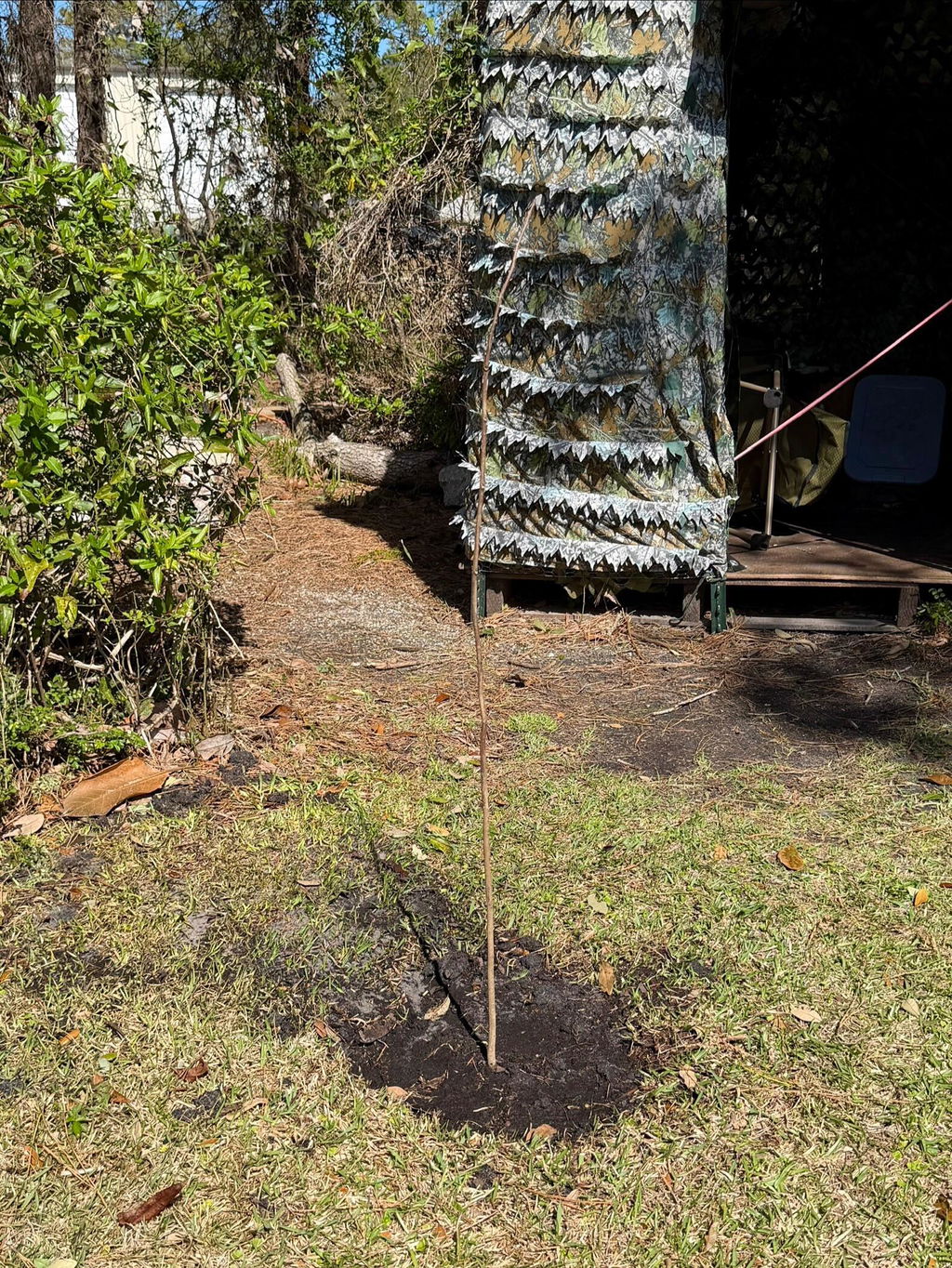
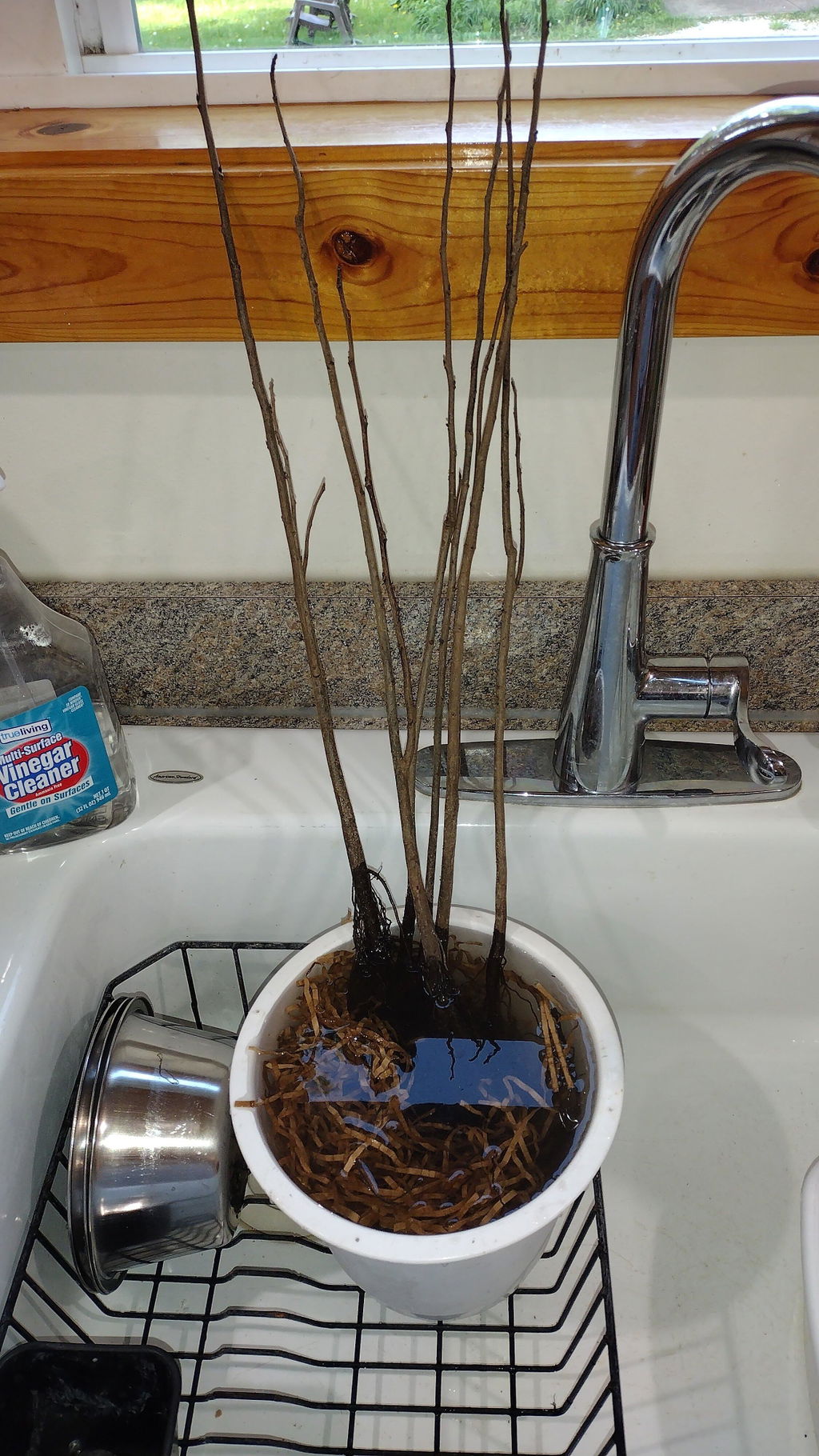
Each tree is dug between November and April, while it is dormant, so it’s better to keep the roots damp and plant as soon as you receive the box. Pawpaw trees require a partner to set fruit, so our Buy 1 Get 1 Free offer covers that, while the 25- and 100-tree packs bring the price per tree down for a grove or an orchard row. This plant ships bare root.
For planting tips and care instructions, explore our Pawpaw growing guide. You can also browse our collection of fruit trees to find more varieties for your home orchard.