Audrey Pellegrino
Our order arrived in excellent shape and was easy to separate and transplant. I can’t wait until they multiply!

Partridge Berry
Ships Now
3-9
Under 12"
Moderate
Partial shade and Shade
Fall
Partridge Berry thrives in moist, well-drained soil and prefers acidic to neutral pH. Mulch to maintain dirt moisture and prevent weeds. Water regularly, but avoid waterlogging. It benefits from occasional pruning to maintain shape and encourage healthy growth.
Partridge Berry (Mitchella repens) thrives in low to moderate light conditions. It prefers shaded or partially shaded areas, making it ideal for woodland gardens or beneath tree canopies. Direct sunlight can scorch its delicate leaves, so filtered light is best
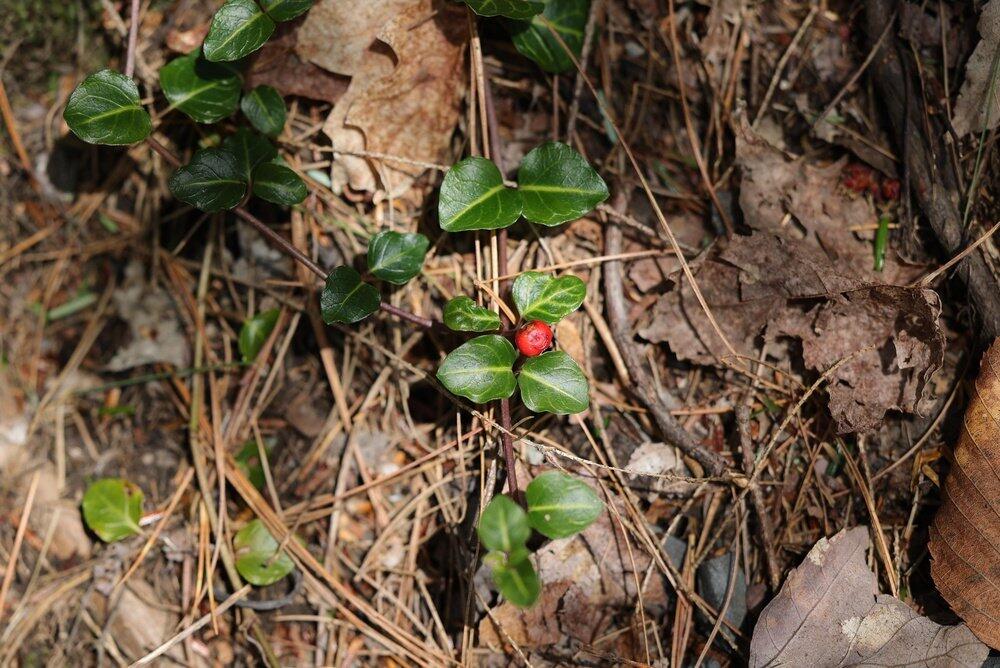
Beauty evergreen foliage , Bright red berries, Loves shade and hardy
Audrey Pellegrino
Our order arrived in excellent shape and was easy to separate and transplant. I can’t wait until they multiply!
Victoria Perry
I am so happy with my plants!!!! The vines arrived in great time and were very vibrant and alive. The other one I ordered is I think a bush it was all roots and they looked great I put them in a pot and keep it damp so fingers crossed it will sprout this coming year!! My vines are still doing great and im so happy I haven’t killed them yet my meter half jokes and says I have a black thumb lol.
Shawnda Jacobs
These roots look like they might actually live. I'm glad I gave this company a second chance.
About this plant
The partridgeberry is a charming‚ modest plant: a perennial creeping ground-cover in the family Ericaceae that is native to the woods of eastern and subarctic North America․ Its scientific name is Mitchella repens․ The passerby can not fail to be attracted by this modest little fellow‚ and it is a marked feature of every woodland scene‚ this robust plant abounds in the whole range of its distribution‚ adding beauty and interest to our dear woods․ Such a small thing‚ with such an impressive appearance‚ shows all the many and wonderful ways that plant life has adapted to its world around it․
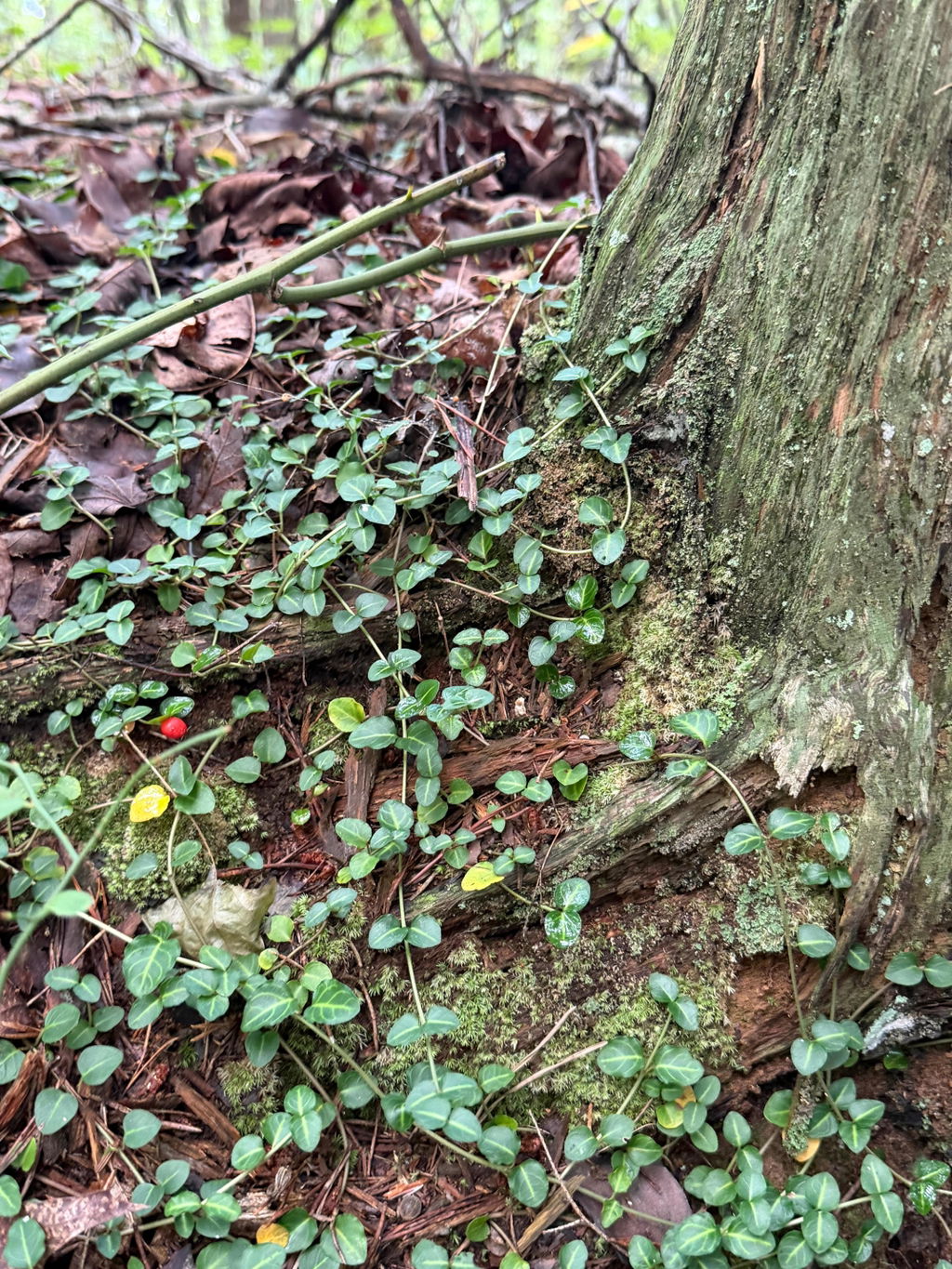
Such tiny‚ ovoid‚ deep green leaves‚ closely paired and flaring apart in a pretty kind of waving line close to the earth‚ have no right to be so obviously happy! They are shiny‚ thick in texture‚ and many a ray of light will chase along that glistening surface‚ making the ground look so bright․ Since the plant creeps‚ this can give it an other-worldly appearance as it covers large patches of land․ Small‚ white tubular flowers appear in the spring․ The small‚ and not very showy‚ though fragrant flowers are an attraction to pollinators and are one more example of the understated beauty of the tree․
In winter the snow provides an even greater contrast with the berries‚ and the plants are most obvious in winter when their display of red partridgeberry berries contrasts strongly with the white snow cover of the surrounding vegetation․ They are little pearls‚ growing together‚ huddled like children inbetween the dark green of the trees' leaves․ In an otherwise frigid and stark world‚ these little bright pearls are the promise of new life‚ a bit of cheer in an otherwise dreary winter forest․ The berries are often consumed by birds and other wildlife as a food source in winter when their food is scarce․
The tough and strong leaves allow it to stay green in wintertime․ Partridgeberry is seen as a sign of strength or toughness in the forest due to its evergreen nature․ The partridgeberry is able to grow in areas where other plants cannot grow due to low light levels․ This gives the plant a mutualistic relationship with other plants because the spreading evergreen nature of the groundcover covers other plants protecting them while also giving cover to small insects and animals during the seasons․
The leaves occur in pairs‚ opposite one another which gives the plant its distinct symmetrical shape․ The flowers are often ignored as they are small and white‚ growing from the axils and the red berries do not develop until later hanging from the plant․ This plant is discernible by the shiny surface of its leaves and by its trailing stems‚ which produce roots at various points along the length of the stem․ As a result of this‚ it is a plant which is sought after and easily spotted by both amateurs and professionals when out in its native range․
To sum up‚ there are many purposes of the partridgeberry plant beyond its decorative properties‚ which include red berries and shiny evergreen leaves that are characteristic of winter and a hardy plant that grows in a collection of environments․ The plant serves many ecological functions for the woodland environment․ Thus‚ while we walk through the woods‚ admiring the beauty of the plant‚ it is well to remember the elusive role played by it‚ and all the plants of our woodlands․ If next you are wandering through the woods‚ stop and look at the partridgeberry․ You will find its beauty and utility more than you ever suspected; its name not undeserved․

Since 1959, TN Nursery has grown and shipped quality bare root plants nationwide. Shipped during dormancy, bare-root plants develop strong root systems and establish quickly. Our experienced team carefully harvests and packages every order, providing growers with trusted plants backed by over 65 years of nursery experience.
Learn More About
Bare root trees
Evergreen Ground Cover:
Partridge Berry forms a dense mat of glossy green foliage that provides year-round interest in woodland gardens.
Bright Winter Berries:
Brilliant red berries persist through the colder months, adding seasonal color and visual appeal to shaded landscapes.
Woodland Garden Favorite:
This native ground cover thrives in shady settings, creating a natural forest-floor appearance with minimal maintenance.
Supports Native Wildlife:
The attractive berries provide a valuable food source for birds and other woodland wildlife throughout the season.
Fall Digging
Spring Digging
Packing Orders
Customer Unboxing Video
Product Highlight
I’m very pleased with my Partridgeberry! It arrived healthy and well packaged, and it has settled into my garden beautifully.
It took a little while for it to settle, but now that it has, it is doing very good.
I've had it for about four years and it's still doing well.
I planted the roots and the sprouts are small, but living. It’s still warm here in zone 9a and they are in pots in the shade on the screened in patio. I will bring them inside if the winter is cold. Thank you for the BOGO deal. I’m retired and every deal helps.
The little berries and green foliage add such character to my yard. Very easy to plant and already thriving.
These plants looked fresh and strong out of the box. They started spreading within weeks. TN Nursery really delivered excellent stock.
It’s thriving under my oak trees and spreading little by little. Would’ve given a perfect rating if the shipping box was sturdier.
The plant was well-packed and healthy. I can already see new shoots after a short time. I’m glad I ordered it.
Arrived in good condition and is adjusting nicely in my shaded backyard spot. Not a full carpet yet but coming along well.
The Partridge Berry I received has filled in the shaded area under my trees beautifully. TN Nursery always delivers dependable, high-quality native plants.
I planted Partridge Berry from TN Nursery and was impressed with how quickly it adapted. The evergreen leaves stay vibrant year-round and add charm to my garden.
Partridge Berry is thriving beautifully in my shaded beds. The plants from TN Nursery were healthy and vibrant right out of the package, and I’m very happy with the purchase.
TN Nursery delivered healthy Partridge Berry plants that are already producing attractive foliage. I love how they spread slowly but steadily to form a dense ground cover.
The Partridge Berry plants I received were strong, well-packed, and easy to establish. They thrive in shaded areas and add natural woodland beauty to my yard.
I purchased Partridge Berry from TN Nursery, and it arrived fresh and healthy. The low-growing vines are spreading quickly, creating a lush carpet in my shade garden with lovely evergreen leaves.
My partridge berry from TN Nursery arrived exactly as described—strong, vibrant, and ready to plant. It’s growing beautifully and spreading nicely.
I am very pleased with my partridge berry purchase from TN Nursery. The plants are thriving, low-maintenance, and look fantastic in shaded areas.
TN Nursery shipped my partridge berry quickly and securely. The plants were healthy and established in the soil within days. Highly recommended.
The partridge berry plants I received were lush and green, perfect for natural landscaping. TN Nursery exceeded expectations with this order.
I planted my partridge berry from TN Nursery, and it is already spreading as a beautiful groundcover. The plants were fresh and packaged carefully.
TN Nursery provided me with strong, healthy partridge berry plants that established well in my garden. I am very impressed with the quality and service.
The partridge berry I ordered from TN Nursery arrived in excellent condition. The plants were well-rooted, vibrant, and started spreading quickly after planting
Don't know as I haven't received it yet. Can't review something I haven't received.
Our order arrived in excellent shape and was easy to separate and transplant. I can’t wait until they multiply!
I am so happy with my plants!!!! The vines arrived in great time and were very vibrant and alive. The other one I ordered is I think a bush it was all roots and they looked great I put them in a pot and keep it damp so fingers crossed it will sprout this coming year!! My vines are still doing great and im so happy I haven’t killed them yet my meter half jokes and says I have a black thumb lol.
These roots look like they might actually live. I'm glad I gave this company a second chance.
Plants looked healthy when arrived, I look forward to watching them grow.
The Partridgeberry plants arrived yesterday, quite compressed from their trip. While they were limp and pressed flat, the leaves were still green so I planted them right away. It rained later in the evening and has been just above freezing since planting. I assume after a week or two, they'll probably perk up a bit. I'm looking forward to revived vigor. I received a couple more bundles than I ordered and am hoping they'll all flourish.
Very satisfied with my purchase and delivery
Planted them upon arrival. Tried to all the rooted nodes in the ground as well. They haven't died yet. Looks fine!
Appear to be growing OK, will take a while for them to get going, I think.