Neil McPhail
Jack In The Pulpit

Jack In The Pulpit Plant
Ships Now
4-9
Under 12"
Low and Moderate
Partial shade and Shade
Spring
Jack in the Pulpit prefers rich, moist soil. Frequent watering keeps the soil damp. Lay mulch near the base to maintain moisture and protect roots. Use a balanced, slow-release fertilizer and avoid over-fertilizing. Protect from extreme heat.
Jack in the Pulpit (Arisaema triphyllum) thrives in dappled or filtered sunlight. It prefers shady woodland conditions with indirect light, mimicking its natural forest habitat. Ensure it receives protection from direct sun to maintain its vibrant foliage and unique blooms.
Exotic green bloom , Shade tolerant and hardy, Attracts pollinators & butterflies
Neil McPhail
Jack In The Pulpit
Linda Tingley
I received the plants I ordered in good condition. I like that there is a one year guarantee on the plants and look forward to seeing them bloom next spring. The website was easy to browse through and I received timely emails regarding my order. I would definitely consider shopping with theirs nursery again!
Regis Falinski
The bulbs were shipped promptly, packaged well, and appeared to be viable. I am optimistic that they will produce healthy plants
About this plant
The Jack-in-the-Pulpit is a perennial flowering herbaceous plant that grows under shrubs and in the woods and forests
Jack int he pulpit is found in areas where the soil is moist and has good drainage‚ and can be found growing where other plants grow in the shade․ This plant‚ both for its curious and beautiful flower and for its extraordinary physiology‚ has always been a subject of much interest for the gardener and plant enthusiast․ The name 'Jack-in-the-Pulpit' was derived from the pulpit-like shape of the flower on the plant․ This most excellent plant serves also to show the great variety in nature‚ both in plants and in animals․
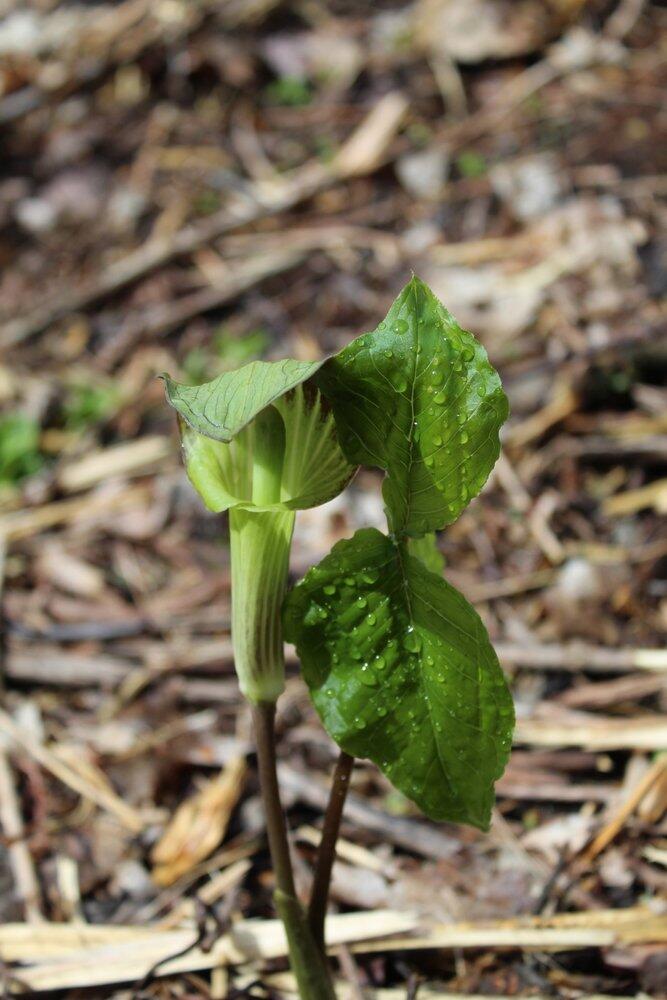
An additional ornamental aspect of the perennial is the foliage which is a bright shade of green with large‚ palmate like leaves that add to the visual interest by creating a large umbrella-like habitat for the flower․ Large green‚ arboriform leaves filter some sunlight through the rainforest canopy‚ giving the plant a strong tropical look․ They are shiny and can be more or less lit from the Sun‚ which makes dark green leaves and unlit parts shine together nicely with the forest floor․ These leaves spread outwards whenever the seasons change and the sun shines down on the earth like an open hand‚ coinciding with the arrival of spring‚ creating a calm atmosphere․
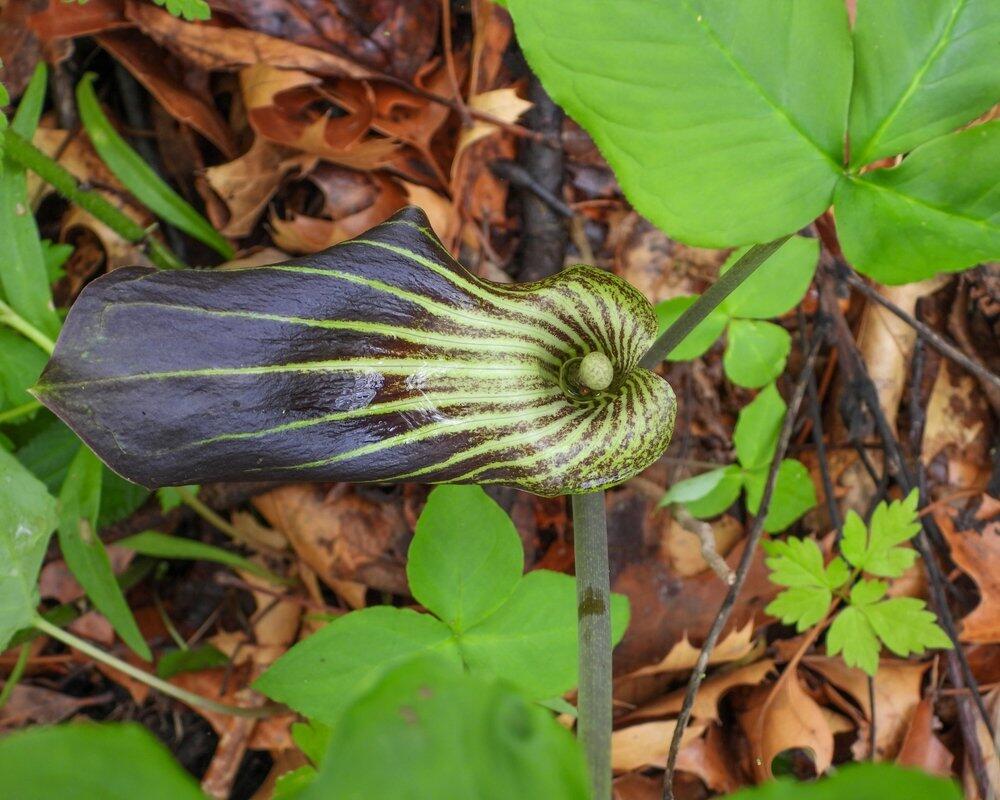
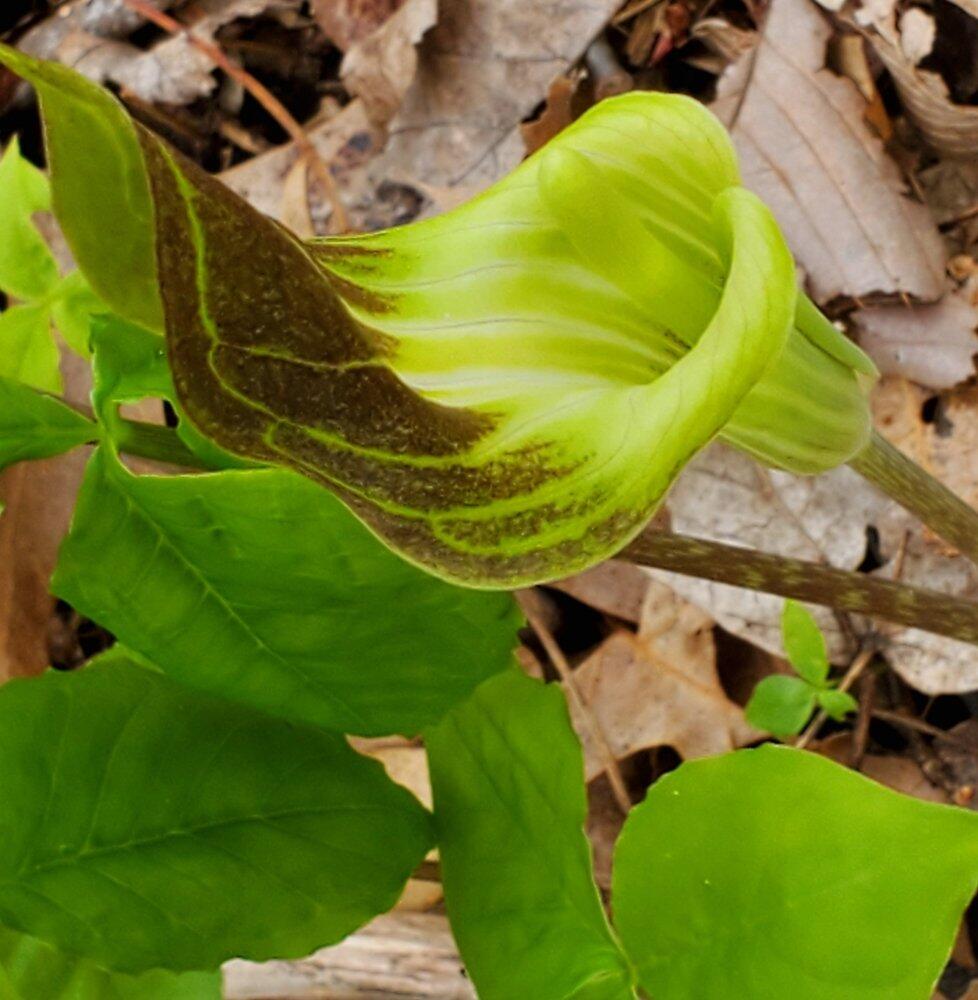
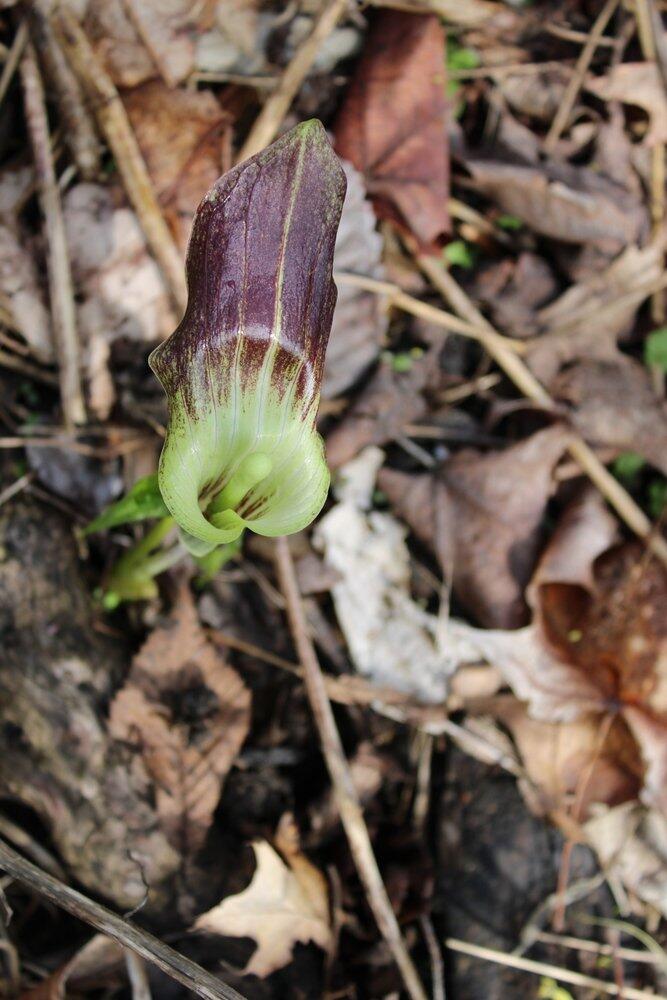
The flower is shaped somewhat like a pulpit․ Within the pulpit is a spadix‚ covered by a spathe like a hood․ This structure is unique‚ and can be seen clearly anywhere the flower is viewed‚ and appears to fascinate the observer․ The spadix has been said to be painted by a brush as it can have a number of colors; it is usually deep green‚ but can be purple or have a number of colors with a striped or painted effect․ The curled-up spathe of the flower protects the developing spadix inside‚ and at the same time attracts passersby‚ whether they are pollen-bearing bees or butterflies․ Although the pattern looks simple‚ the spathe's true pattern is complex as the flowers open harmoniously with the flowers around it and demand no attention․
Arisaema species are natives to the forests and woodlands of North America‚ where they grow as understory plants in wet‚ rich soils․ However even considering this it can be found throughout the cooler forests of the Appalachian mountain range‚ and the swamps of the wetlands found in the southeastern part of the United States․ Such differences in habitat can also affect the growth of the plant in some way or another․ Also the occasion of encountering a Jack-in-the-Pulpit being increased by the diversity of the places where it is found‚ the charm of the encounter is also increased․
In the spring‚ around the months of March or April‚ the plant emerges from hibernation on the floor of the forest․ The tree is a complete leafed tree in summer‚ providing a green refuge to many types of woodland animals․ Its leaves shed and lose green color during autumn․ It gradually becomes yellowish and brown‚ shedding its leaves in different shades and hues‚ as if it is easing out of summer․ When winter returns‚ the plant dies back․ The leaves left behind provide warmth and some protection for the roots as the plant waits for the advent of life in the spring․ In this plant's life cycle‚ the metaphor of rebirth and the natural cycle of life and death are present․
When grown in the garden‚ they are linked to the mystery and interconnection of the natural world‚ and many gardeners choose to grow them because of the symbolic meaning they see in the plants․ Despite their seemingly confusing appearance‚ they promote the wildness of the wild places they inhabit‚ and invite us to reflect on the biodiversity within those ecosystems․ In the horticultural way of life exemplified by the Jack-in-the-Pulpit‚ it provides direction for those who would concentrate not just on biodiversity and ecological balance‚ but on the pursuit for beauty and the cultivation of spaces that celebrate that beauty as well as the biosphere․
With its unique green-leaved appearance‚ unusual flower structure‚ and diverse range of habitats‚ the plant has much to offer in terms of discovery and appreciation․ Rounding out this portrait of the Jack-in-the-Pulpit are the seasonal changes it undergoes‚ a reminder of the beauty intrinsic in the cycle of life‚ and its ability to flourish in cultivated gardens and in the wild‚ urging us to think of the place we hold in the web of life․ Its basic message is an invitation to appreciate the wonderful mysteries of nature‚ to develop our relationship with the environment‚ and to be aware of the complicated web of life we are part of․

Since 1959, TN Nursery has grown and shipped quality bare root plants nationwide. Shipped during dormancy, bare-root plants develop strong root systems and establish quickly. Our experienced team carefully harvests and packages every order, providing growers with trusted plants backed by over 65 years of nursery experience.
Learn More About
Bare root trees
Thrives in Shade:
Ideal for low-light areas, Jack in the Pulpit brightens up shaded spots where other plants may struggle.
Distinctive Blooms:
The Jack in the Pulpit showcases unique, hooded flowers with a captivating shape, making it a standout in any garden.
Adds Unique Visual Interest:
Its distinctive hooded flowers and unusual shape provide a captivating focal point in the garden.
Requires Minimal Maintenance:
Once established, it needs little care, making it a great choice for low-maintenance gardens.
Fall Digging
Spring Digging
Packing Orders
Customer Unboxing Video
I’m very happy with my Jack in the Pulpit! It arrived healthy and well packaged, and it’s such an interesting and unique addition to my garden.
My Jack in the Pulpit is such a unique little beauty! It came up wonderfully in my shade garden and always gets attention when friends see it
Mine came up the next spring and bloomed. Thank you for selling these lovely native plants.
I was so excited to find Jack in the Pulpit because I’ve been adding more native woodland plants to my yard. Mine arrived bare root and established nicely under my trees. Such an unusual plant and definitely one of my favorites in the garden.
Soaked for two hours according to directions, and got planted and watered, can't wait!
These plants are perfect for shaded areas. My Jack in the Pulpit is flourishing, and the quality from TN Nursery is excellent as always.
The Jack in the Pulpit I planted from TN Nursery is thriving beautifully. The unique blooms and lush foliage make it a standout among my woodland plants.
TN Nursery delivered healthy Jack in the Pulpit plants that took off right after planting. Their unusual flowers are a true conversation piece in my garden.
My Jack in the Pulpit arrived strong and vibrant. It’s a one-of-a-kind addition to my shade garden and pairs perfectly with ferns and hostas.
The plants from TN Nursery established quickly and now produce striking hooded blooms. I couldn’t be happier with the quality of this native perennial.
The Jack in the Pulpit I received was carefully packaged and easy to plant. It’s thriving in a shaded corner of my yard, adding a unique native touch.
I ordered Jack in the Pulpit from TN Nursery, and the plants arrived healthy and well-rooted. They’ve already sprouted in my woodland bed, and the distinctive blooms are truly fascinating.
Dormant plants arrived quickly and in good condition.
Hopefully I will have plants next spring!
the Corms were small and a few were mushy .but they sent a few more than number of order. they should Grow .
Jack In The Pulpit
Jack In The Pulpit
I received the plants I ordered in good condition. I like that there is a one year guarantee on the plants and look forward to seeing them bloom next spring. The website was easy to browse through and I received timely emails regarding my order. I would definitely consider shopping with theirs nursery again!
The bulbs were shipped promptly, packaged well, and appeared to be viable.
I am optimistic that they will produce healthy plants
I love having natives in my landscape. The plants I got were nice, healthy bulbs. Already planning my next order.
Jack In The Pulpit
Over all i bought 26 roots. The roots arrived super fast. And we're healthy.
I would recommend this company to anyone!! I cannot wait for spring to to see my plants coming up.
Great job getting my order very fast will be doing business with TN nursery for a long time.
Arrived as healthy bare roots. Highly recommend for economical plantings of hard to find cultivars!
Completely satisfied. All aspects of product and service excellent.
The corm was nice and healthy when it arrived. The plant is already up about 3-4 inches and soon will bloom in just 20 days after receiving it!!!! Yay! Couldn't be happier with the plant or TN Nursery!!! Now....hopefully the deer will not find it😊
Very happy with plant and the experience.
The plant was well packed, protected from the damage of transit.
happy to see again, planted in deep shade with plenty of leaf litter
These bulbs came in very good shape. I can’t wait till they grow.
We spotted your 5-star review. Wow! Thank you so much for trusting us, and we can’t wait to help you again in the future.
These little bulbs were in very good shape when I received them.
THE SQUIRRELS ALREADY ATE THEM
VERY fast and very good service!
The blooms on this plant are very unique and beautiful. Looks great in my gardens!