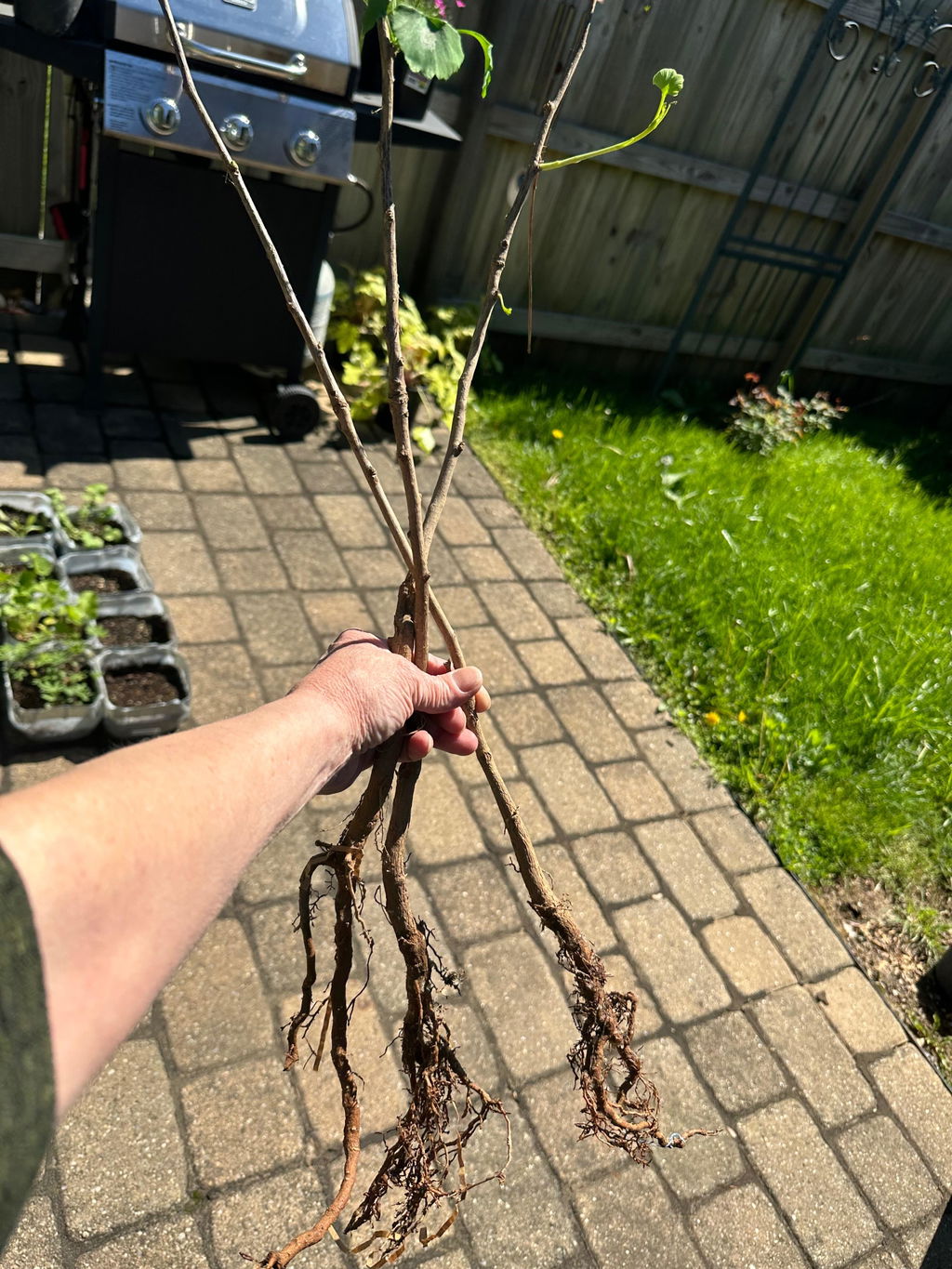
Gingko Tree Details
The ginkgo tree is a living fossil
Ginkgo tree, biloba is the scientific name of the tree․ Fortunately‚ this tree is one of the oldest living tree species on earth: ginkgoes have been around for more than 200 million years․ Another great thing about ginkgoes is that their fan-shaped leaves turn bright yellow in the fall‚ offering a nice contrast to the green of other types of trees․ The ability of the ginkgo to withstand disease and other stress makes it a popular choice of tree for planting in streets and in gardens․ As cities are built outwards‚ the ginkgo is a tree of choice for many situations‚ not only for its hardiness in polluted environments and its suitability for difficult conditions‚ but also for its associations with history and beauty․
Ginkgo trees are best planted in an area with full sun
The best soil for the trees to grow in ranges from sandy to clay‚ but it is not picky about the soil type‚ and will tolerate a wide variety of soil types‚ preferring slightly acidic to neutral․ They are particularly tolerant of dry conditions‚ and can be grown on poor soils‚ making them useful trees in regions where other trees might have difficulty growing due to climatic conditions․ Ginkgo trees also require good air movement‚ so should be planted away from closely spaced buildings or other trees․ Once established‚ ginkgo trees are very low maintenance and thrive on neglect‚ even for the most novice gardener․
Ginkgo trees can live for more than a thousand years‚ and have one of the longest lifespans of any tree
Their longevity means that a ginkgo can become a landmark in a town or city‚ outliving many generations of people who live around it․ More resistant than most other trees to bad weather‚ pests and disease‚ owing to their slow growth rate and dense wood‚ ginkgos have become symbols of endurance in several cultures․ In the cities where they have been planted‚ ginkgoes are often cherished and have become part of the history of the local area‚ often having their own stories to tell․
Culturally‚ the ginkgo tree is important in many parts of the world
In ancient China‚ it was treasured both for beauty and for its medicinal properties․ The leaves and seeds were used as customary drugs for health and vigor․ For these reasons‚ the ginkgo is a symbol of peace‚ hope and survival‚ particularly in Japan‚ where some trees survived the atomic bomb that destroyed Hiroshima․ Today‚ the ginkgo symbolizes the ability of nature to survive and has become‚ in much of the world‚ a popular landscaping and ornamental tree․ This importance has led to the planting‚ growth‚ and appreciation of ginkgo trees as beautiful and meaningful parts of the surrounding landscape․
There are a number of ways in which ginkgo can be cultivated to produce the healthiest leaves․ For optimum growth‚ the tree should be planted somewhere that has good sun exposure and is sheltered from strong winds․ Watering is very important for small ginkgo trees until they develop a deep and strong root system․ Once established‚ ginkgo trees are able to survive and thrive in well-drained soil with fairly little water․ Pruning is recommended for a healthy and attractive tree․ Although they are pest resistant‚ look for signs of distress such as yellowing foliage or abnormal growth patterns in ginkgo trees․ These symptoms may indicate environmental problems or disease‚ but the ginkgo‚ if well established and taken care of‚ can be a showy statement piece for a landscape throughout its life cycle․
In conclusion‚ the ginkgo tree is an extraordinary specimen that goes far beyond mere aesthetics
Its resilience‚ cultural importance‚ and historical longevity make it a treasured asset in any landscape․ Whatever the weather‚ the city or the country‚ as both an ornamental and a symbol of endurance and hope‚ a ginkgo tree in the garden may yet provide us with even more than sheltering shade․ In the world in which we find ourselves‚ still surrounded by the effects of global warming‚ ginkgo trees may perhaps yet be one more reminder of our relations with nature․ Those who love the ginkgo will truly appreciate the beauty of the trees and the legends that lie behind the world's oldest living trees‚ the ginkgo․