Jennifer Castillo
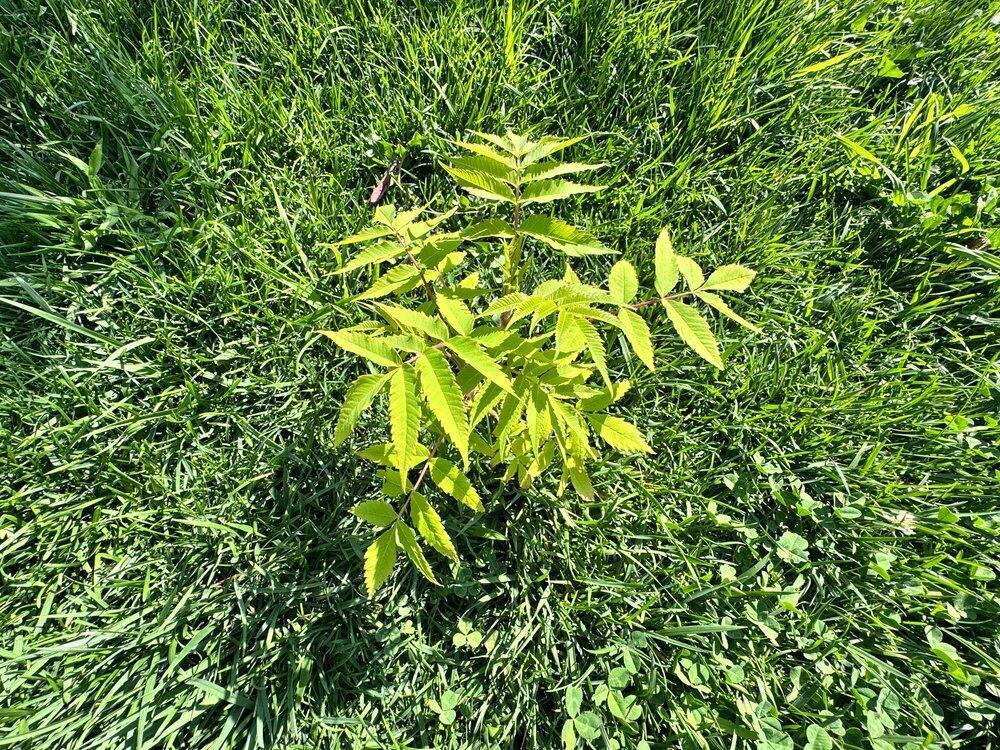
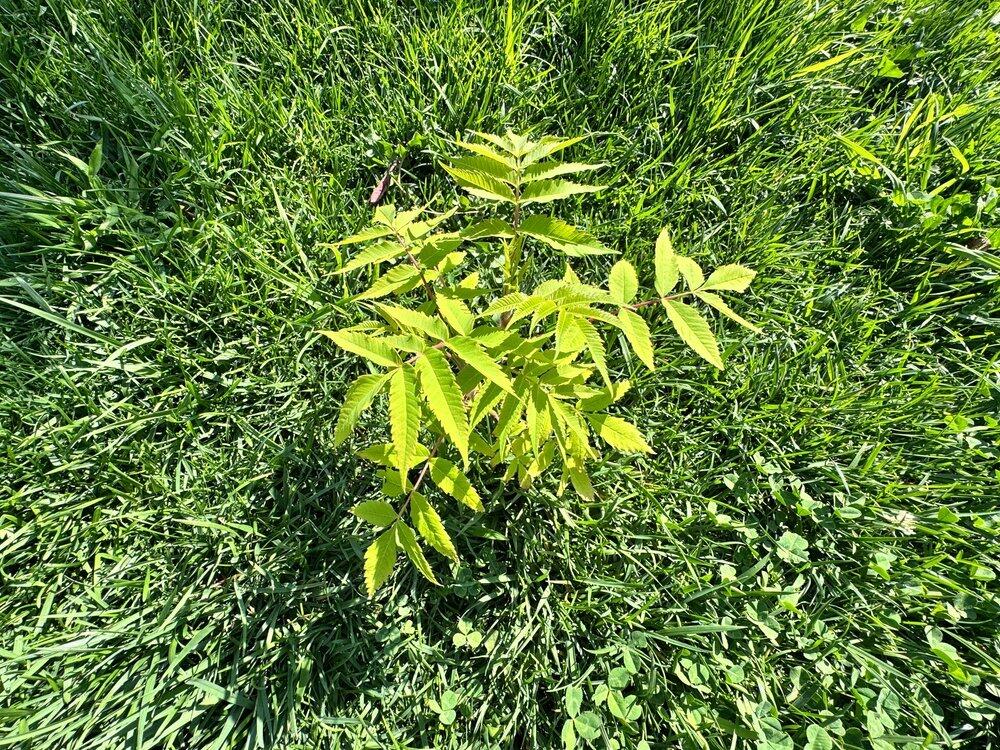
Beautiful group of plants! They are thriving! Thank you!

Sumac Tree
3-9
8–25 Feet
Low and Moderate
Full sun
June through July
Plant in well-drained soil and water weekly the first summer. Once established, sumac is drought tolerant. Mow or pull root sprouts to keep it where you want it.
Full sun to partial shade; full sun brings the brightest fall color.
Vibrant red fall foliage , Fast growing and hardy, Disease and pest resistant
Jennifer Castillo
Beautiful group of plants! They are thriving! Thank you!
Alex Rouhani
I just planted my trees, too early to review
Kim Abney
Three dormant rootstocks arrived quickly and nicely packaged in a plastic baggie with damp mulch to keep the roots happy. A planting instruction guide was included in the box, and the guide also included directions for starting new plants from cuttings! All plants came with labels. Happy with the sumacs and eager to see them come to life later this spring.
About this plant
Sumac trees are among the toughest, fastest-growing native trees you can plant, and few trees of any kind match their fall color. Every autumn the long, feathery leaves turn scarlet, orange and deep wine-red, and upright clusters of fuzzy red berries stand above the branches into winter, feeding songbirds when food is scarce. Native to North America, sumac (Rhus) thrives in full sun, dry ground and poor soil, so it succeeds on slopes, field edges and hard-to-plant spots where other trees struggle. TN Nursery grows four native sumac trees, Staghorn, Smooth, Winged and Flameleaf, and ships them bare root in 1–2, 2–3 and 3–4 foot sizes, Buy 1 Get 1 Free.
Sumac trees give you more for less effort than almost any other native tree. They establish quickly from bare root, need no fertilizer, shrug off drought once rooted and deliver dependable color every fall. Here is what makes them worth a place on your property:
All four varieties offered here are native to North America and share the same blazing fall color, red berry clusters and easy-going nature. Choose by size, look and where you plan to plant.
The largest sumac tree, staghorn sumac (Rhus typhina) reaches 15–25 feet with thick, velvety young branches that look like a deer's antlers in velvet. Its big, tropical-looking leaves turn orange and red, and its tall crimson berry cones are the most dramatic of the group. Best in zones 3–8.
Smooth sumac (Rhus glabra) grows 8–15 feet tall with smooth stems and some of the most reliable scarlet fall color of any native plant. It grows naturally in all 48 contiguous states, a sign of how adaptable it is. Zones 3–9.
Winged sumac (Rhus copallinum) has glossy, dark green leaflets joined by a narrow wing along the leaf stem. It flowers in late summer, when bees and butterflies welcome the nectar, and turns glowing red in fall. 10–20 feet, zones 4–9.
Flameleaf sumac is grown for its narrow, shiny leaflets and the fiery red its foliage takes on in autumn. It handles heat and dry ground with ease, making it a strong choice for sunny hillsides and southern landscapes.
Plant sumac trees where you want quick cover and big seasonal color with very little upkeep: hillsides, fencerows, property borders, wildlife plantings, reclamation sites, roadside banks and naturalized meadows. Because sumac forms a grove over time, it makes an attractive informal screen and a sheltered nesting area for songbirds. In a smaller yard, a single sumac tree can be trained to one trunk for a sculptural, umbrella-shaped specimen; mowing around it keeps new sprouts in check.
No fertilizer is needed. A light pruning in late winter shapes single-trunk trees, and pulling or mowing root sprouts keeps a planting where you want it.
Yes. Sumac is among the fastest-growing native trees, often adding 2 feet or more per year when young.
Most grow 8–25 feet tall, depending on the variety. Staghorn sumac is the tallest; smooth sumac stays the most compact.
Sumac trees grow best in full sun in USDA zones 3–9 and thrive in dry, rocky, sandy or clay soil where many trees struggle.
No. Poison sumac is a different plant (Toxicodendron vernix) that grows in swamps and bogs and has drooping clusters of white berries. The sumacs sold here have upright clusters of red berries and are safe to handle.
Most sumacs color up from late September through October, often before other trees begin to turn.
Yes. Bees visit the summer flowers, and the long-lasting red berries feed songbirds, wild turkeys and grouse through winter.
TN Nursery has grown native trees and shrubs in Tennessee since 1959, and our plants have gone into projects as visible as Arlington National Cemetery and the Washington Monument grounds. If you're planting sumac on a large scale, our staghorn sumac seedlings and fragrant sumac seedlings come in bulk packs. Browse more trees for sale and native shrubs, or read about sumac in the landscape.

Since 1959, TN Nursery has grown and shipped quality bare root plants nationwide. Shipped during dormancy, bare-root plants develop strong root systems and establish quickly. Our experienced team carefully harvests and packages every order, providing growers with trusted plants backed by over 65 years of nursery experience.
Learn More About
Bare root trees
Bold Foliage:
Long, feathery leaves give a tropical look in summer and turn scarlet, orange and wine-red in fall.
Red Berry Clusters:
Upright clusters of fuzzy red berries stand above the leaves and feed bluebirds, robins and turkeys through winter.
Velvety Staghorn Branches:
Staghorn sumac's fuzzy young branches resemble deer antlers in velvet, adding texture in every season.
Low Maintenance:
Sumac thrives in dry, rocky and poor soil and needs no fertilizer once established.
Fall Digging
Spring Digging
Packing Orders
Customer Unboxing Video
Product Highlight
⭐⭐⭐⭐⭐
I’m very happy with the Sumac Tree I ordered from TN Nursery. It arrived safely and was packaged really well. The tree looked healthy when I opened it up, and it was easy to get planted. It’s settling in nicely, and I’m looking forward to watching it grow and fill out. Overall, a great addition to the yard and I’m happy with my purchase!
I was so excited to receive my Staghorn Sumac. It arrived well packaged and looked great. It is really flourishing. Thank you TN Nursery!
The Staghorn Sumac I purchased was remarkable. It had vibrant leaves, flexible stems, and has settled quickly into my soil. TN Nursery delivered with excellence.
The Staghorn Sumac Tree arrived premium in every way. The root system was robust, the stems strong, and it transplanted without issue.
The Staghorn Sumac from TN Nursery was magnificent—tall, vigorous, and packaged securely. It’s now flourishing beautifully in my yard.
The Staghorn Sumac Tree I received was thriving from the moment I planted it. It has grown rapidly and is already showing its brilliant colors.
My Staghorn Sumac came in healthy condition with firm roots and fresh leaves. TN Nursery clearly puts care into growing quality plants.
TN Nursery delivered an exceptional Staghorn Sumac. The branches were healthy, the roots well-developed, and the foliage lush. It has quickly adapted to my landscape.
The Staghorn Sumac I ordered arrived beautiful and full of energy. Its vibrant red stems and strong roots made planting simple, and it’s already thriving in my garden.
Beautiful group of plants! They are thriving! Thank you!
I just planted my trees, too early to review
Three dormant rootstocks arrived quickly and nicely packaged in a plastic baggie with damp mulch to keep the roots happy. A planting instruction guide was included in the box, and the guide also included directions for starting new plants from cuttings! All plants came with labels. Happy with the sumacs and eager to see them come to life later this spring.
I ordered BOGO Staghorn Sumac during the promotion. There were three Sumac in the box. Thanks for the bonus! I potted it and will offer it in an upcoming silent auction to raise money for my local beekeeping organization.
I paid for 4 staghorn sumac trees and they sent 5! They were all bare roots and seem robust. Very reasonable prices. Excited to watch them grow.
They were packaged perfect, moist and ready to go. i can't find sumac here even tho they use to be prevalent..i have a bird sanctuary on edge of woods so they will be perfect and birds will love the berries. .. Thks TN...janie
It came at about 3 ft high and packed well. The root ball looked healthy and we planted it right away like the directions said. We will see how it does come springtime and I can't wait for the beautiful colors!! Thank you!
My little trees arrived and are safely planted. They will be perfect as the years go by. Thank you
Really pleased with these Staghorn Sumacs so much that after my first two, I ordered another two to plant along my fence. These make great privacy screens and about 3 yrs old, my 2 plants are already about 8 feet tall. I am hoping to see berries soon as they are very healthy. This fall I got to enjoy the rainbow to dark red leaf color change. I would buy again.
In late summer I searched the internet for sumac trees and finally found these Rhus Bare Root Sumac for sale. So I ordered--be sure to note that they are not dug up until November, so you will receive them in November!
When the trees came, they were--as expected--"sticks" with hairy roots at the bottom. But these "sticks" were as thick as my little finger or more, and 2+ feet tall. The hairy roots were a good mesh at the bottom, and they were packed in a giant "sandwich bag" with wonderful black dirt mulch--so they arrived in great shape in a tall box.
I planted them immediately on the 60 degree slope we are trying to keep from eroding. I am confident that these will be healthy young trees leafing out in the spring!
So far my experience has been great. Shipping was in sturdy box. Items were good size. They were bare root, so now I wait.
The plants looks great and the shipment was quick as well. Awesome!
Hearing how much you love our plants has brightened up our day! Thank you for the great review you left us, Lester, and for choosing to shop with us!
I have a wonderful of this tree in my pathway. Its colors are starting to fully show. I am more excited in spring season then. Thanks TN nursery