Blanket Flower Details
Blanket Flower - Gaillardia aristata
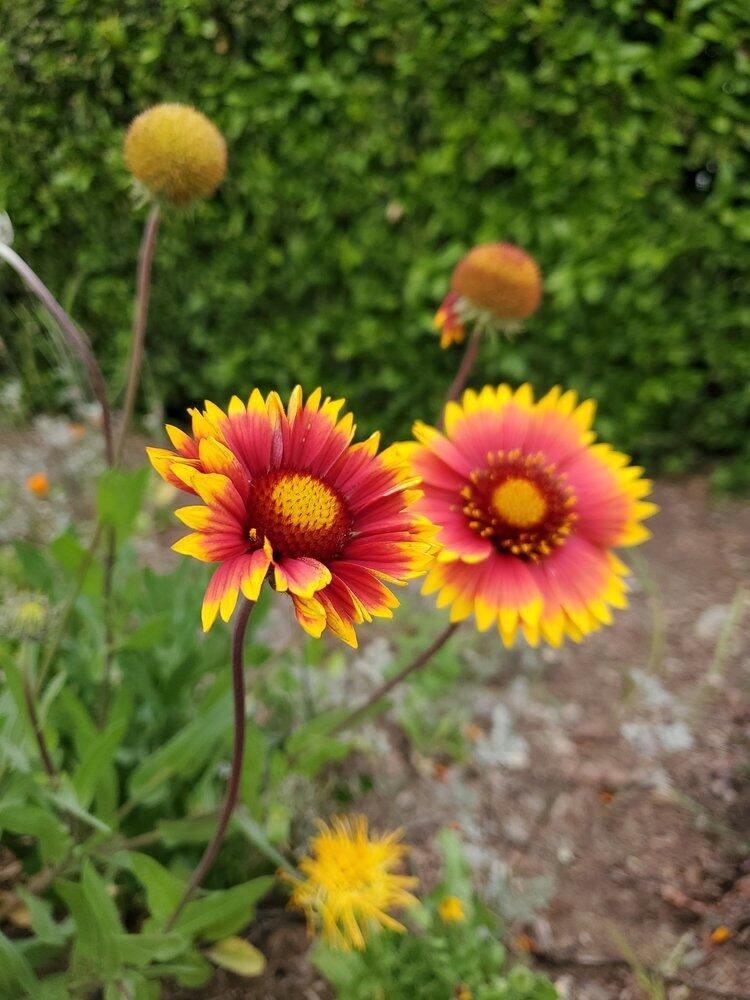
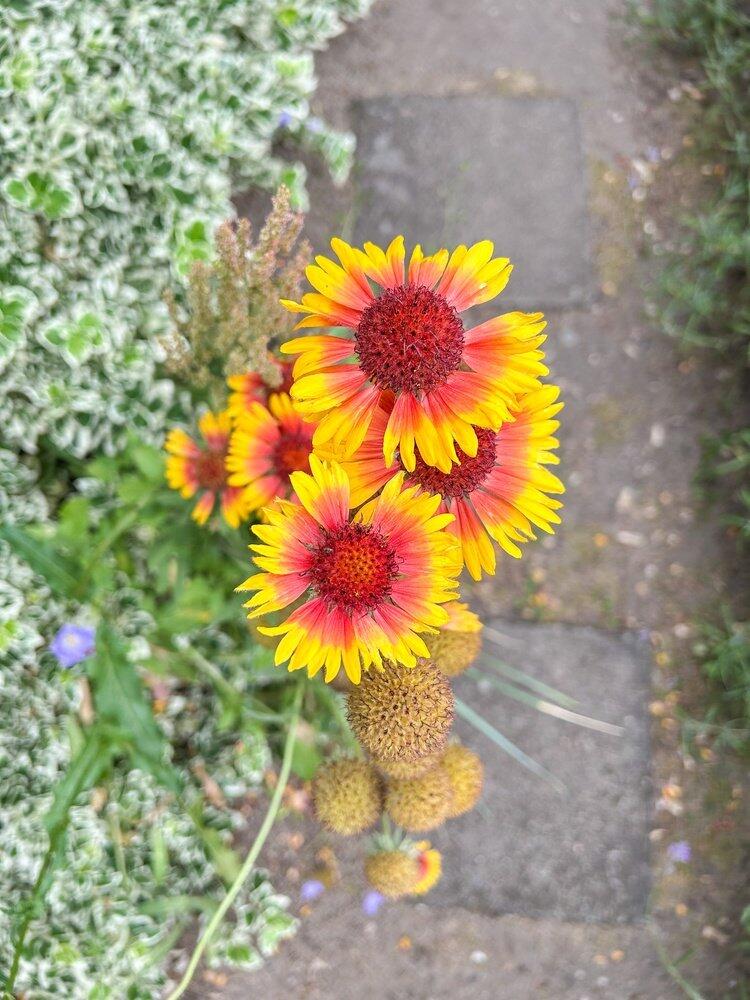
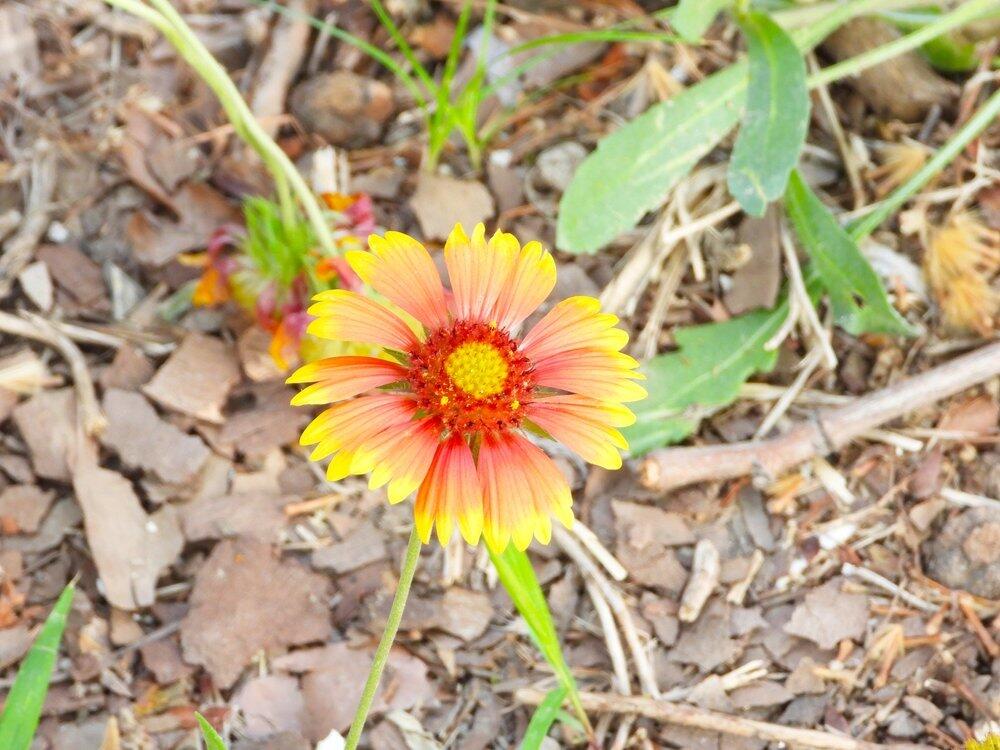
The Gaillardia flower is a perennial that flowers from early summer into fall with shades of yellow, red, and orange, with red at the center and yellow-tipped petals. Blanket flower does well in hot, dry spots where other perennials may struggle to flower.
Origins of Blanket Flowers
The blanket flower has a long history. It grew wild on the prairies and open places of North America, and was admired by the Indigenous people who lived there long before it became a garden plant. The name Gaillardia honors M. Gaillard, an 18th-century French patron of botany. The common name "blanket flower" is said to come from how much the bright blooms look like the colorful patterns of Native American blankets. As the West was settled, these colorful flowers were seen dotting the plains. Today, the blanket flower is a popular choice for gardens in the United States and around the world.
Looking for a Blanket Flower for Sale? Here’s How To Grow It
Blanket flowers grow best in well-drained soil. They dislike heavy, wet soils and are full-sun flowering plants, needing at least six hours of sun each day to bloom optimally. Blanket flowers are also extremely drought-tolerant, so they're a great pick for dry spots and low-maintenance gardens. In fact, too much water or fertilizer can make them flop over, and wet winter soils can kill them.
Blanket flowers grow in USDA zones 3 through 8 and get about 1 to 2 feet tall and wide. Deadhead the old flowers, and you'll get even more blooms. Plants don't live very long, often just a few years, but they drop seeds and new plants pop up on their own.
This plant ships bare root. Plant it soon after it gets to you. Let the roots soak in water for about an hour, then plant it so the crown (where the roots meet the stem) sits right at ground level. Water it well. Keep the soil lightly moist for the first few weeks while the roots settle in. After that, you'll only need to water when it hasn't rained in a while.
Our blanket flower for sale is a great fit for sunny borders, rock gardens, meadows, and pollinator gardens. Space plants about 12 to 18 inches apart.
Pollination and Ecosystem Benefits Of Blanket Flowers
Bees and butterflies love the bright blooms of blanket flowers, and goldfinches and other small birds eat the seeds in fall. As these visitors move from flower to flower, they spread pollen between blanket flowers and other plants in your garden. Deer usually leave it alone too, making it ideal for pollinator planting without browsing interference.
Planting & Growing Information
Ships: Ships Now
Planting Zone: 3–8
Height at Maturity: 1–3 Feet
Water Needs: Low
Sun or Shade: Full sun
Bloom Season: Early summer to fall
Care: Plant in well-drained, sandy or average soil; avoid heavy, wet clay. Skip fertilizer. Snip heads for more blooms, and let some flowers set seed so new plants replace older ones.
Exposure: Full sun, at least 6 hours daily
Plant Attributes: Long summer-to-fall bloom, drought-tolerant, Feeds bees and butterflies, Deer leave it alone
Learn more with our Blanket Flower planting guide for helpful planting and care tips. You can also explore our collection of perennial plants to find more beautiful, long-lasting additions to your garden.