Yellow Trillium Plant Details
Yellow Trillium - Trillium luteum
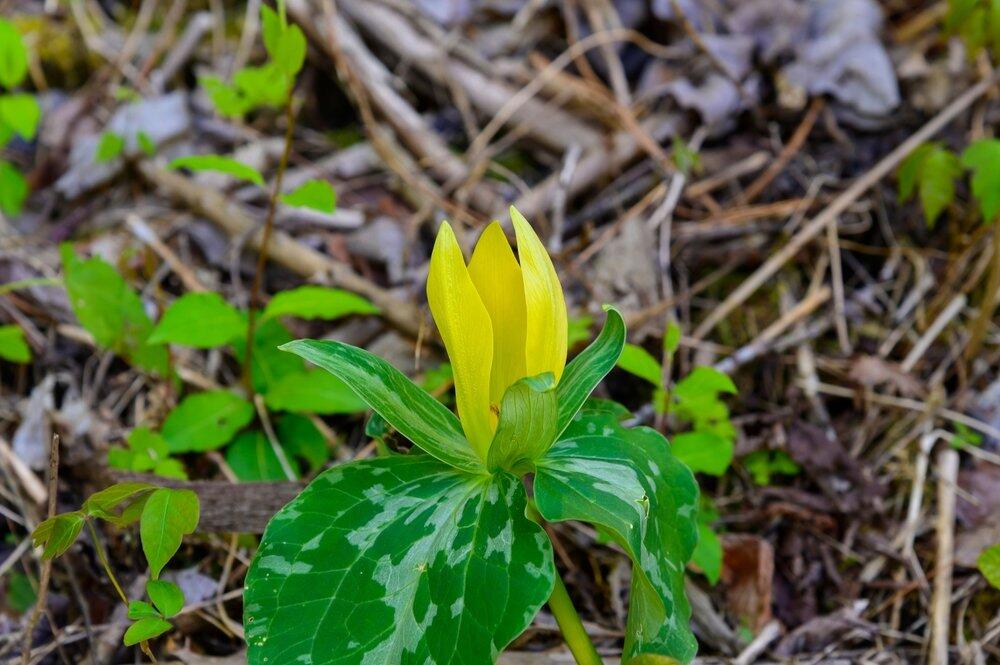
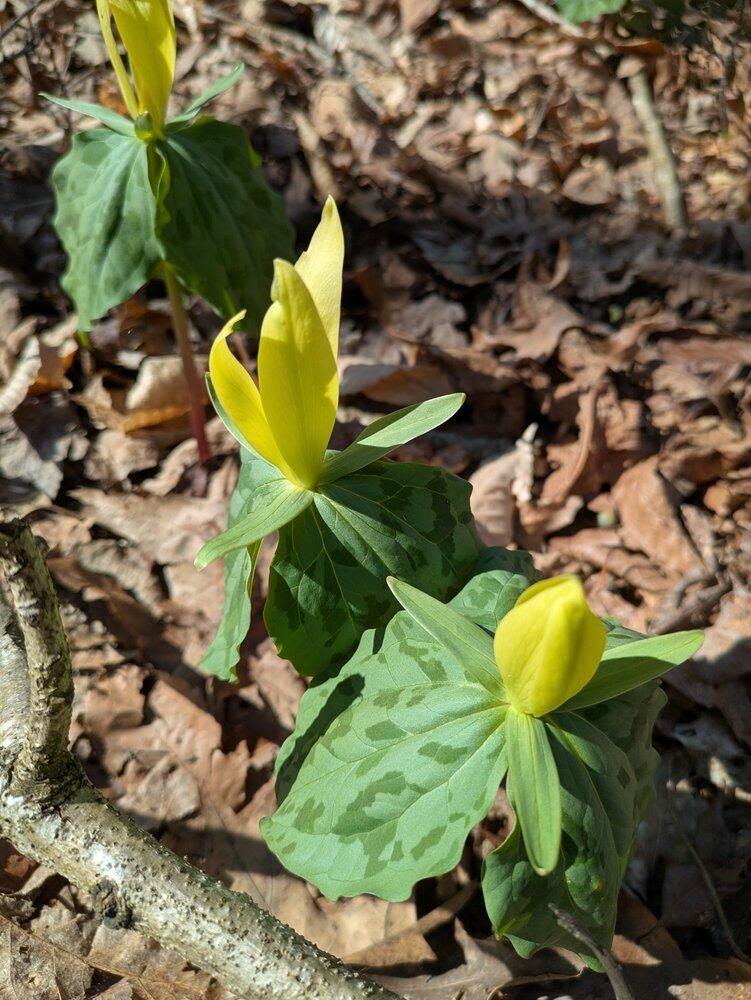
The yellow trillium, trillium luteum‚ which is noticeable to flower lovers and botanists in particular‚ is a perennial plant with unusual yellow coloring growing in the moist woods of the eastern part of the North American continent․ The flowers are yellow‚ and the broad leaves are a dark green․ The flower has three petals․ They are light yellowish‚ but become darker as they grow‚ till they end by becoming of pure gold․ Yet there is something wonderful in the fact that such a beautiful flower's life is so short that in its existence it inspires one to calmness․ They come up through the soil‚ in springtime‚ as the harbinger of the end of the long‚ bitter winter‚ and the beginning of the balmy days of summer: a joy to all that appreciate Nature's handiwork․
Flowering Season Insights of Yellow Trillium
Depending on where it is growing‚ it blooms in early to mid-spring (April and May)‚ when the trees in the woods are in the process of producing their tender young leaves‚ before their light can be blocked by the many leaves of trees that are above this plant․ For in bloom‚ though the plant as it were‚ is jubilant by issuing its flowers‚ it accents its beauty not with raucous cries‚ but rather‚ with signals barely above a whisper․ Deftly‚ in the coolness of the air‚ it dots the forest with its flowers․ The transience of the flower has given its short blooming life a larger importance; it urges us who see it to take all the more notice of the beauty and splendor of nature in its brief greatness‚ just out of reach․
Lutuem Cultural Significance in Folklore
Yellow trilliums have been known in numerous mythological stories and folklore‚ even beyond their beauty․ Many Native American tribes have also used it as a symbol of regeneration‚ rebirth‚ and protection․ In some Native American folklore‚ the trillium has a special symbolism of love‚ oftentimes as loyalty‚ representing harmony in nature and harmony in mankind․ Many stories and legends of trilliums center around them being used in ceremonial purposes‚ and often showing them bringing good luck or other benefits․ These examples show the close ties that some cultures have with the natural world‚ as well as showing the symbolic purpose of a plant not only as it appears but within the cultural contexts in which it is held in reverence‚ and the relationships between celebrated plants and the people they touch․'
Pollination Mechanisms in Nature
An especially interesting aspect of the yellow trillium's anatomy is the way it achieves pollination․ A wonderful example of creation is found in the pollination of these beautiful flowers․ Beetles are the primary pollinators of the perennial‚ unlike the other three forms of pollination most commonly represented in the family‚ which are performed by bees or butterflies․ The beetles are attracted to the warmth and slightly sweet smell of the blossoms and pollinate the flowers simply by crawling from flower to flower‚ a critical component in the survival of the yellow trillium․ This is a mutualistic relationship between both the plant and the pollinator․ The adaptation of the flowers to their habitat is a testament to the ingenuity and resourcefulness of nature and shows that even the most delicate of organisms may adapt and continue to thrive within the varied niches of life․