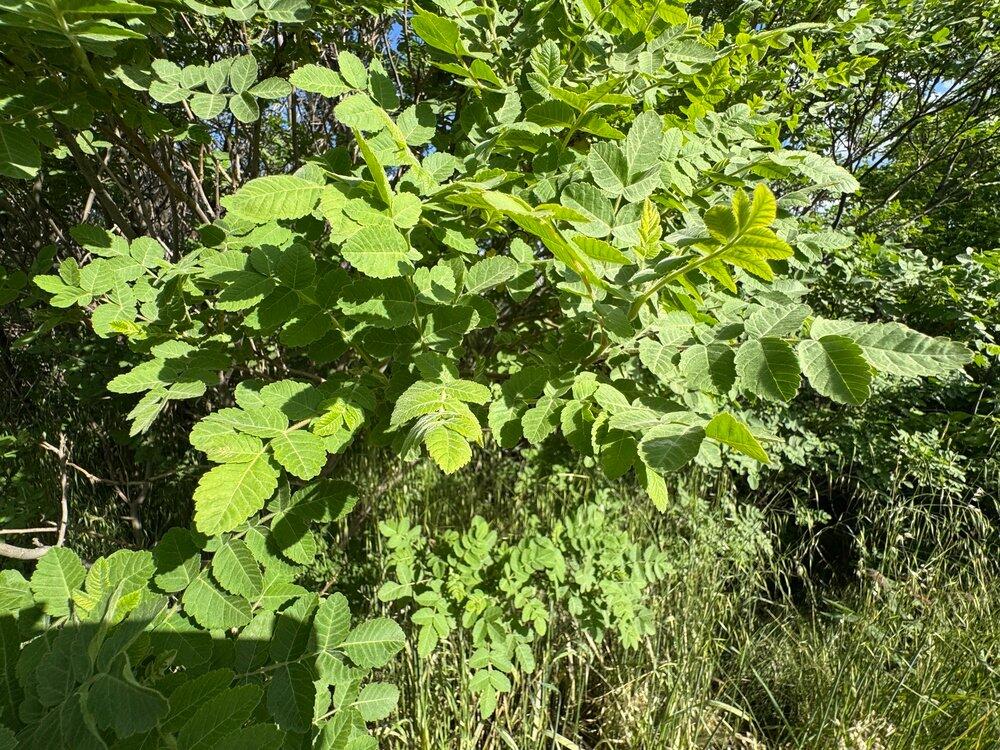
Spice Bush Details
Spice Bush - Lindera Benzoin
The spicebush shrub‚ Lindera benzoin‚ is equally at home in a shaded woodland or in a field․ It is useful as a deciduous ornamental shrub in landscaping and is commonly used in home gardens․ Growing in forests‚ in thickets and shrubland‚ it can provide dense green foliage and bright yellow flowers in spring‚ making it an attractive ornamental in gardens and other landscapes․ Its fragrant leaves and berries‚ evergreen branches‚ and brilliant yellow flowers make it an attractive choice for landscaping‚ as well as an important habitat for wildlife․
Wildlife Attraction in Spicebush Shrubs
Spicebush is important in providing habitat to a variety of birds and insects․ One of the more interesting aspects of spicebush is its ability to attract such a variety of animals and provide them with an adequate habitat․ Many songbirds‚ such as warblers‚ use it as a shelter and for nesting material‚ while its berry-like fruits are consumed by birds later in the season․ In addition to being a good food source‚ the small red berries may also be eaten by insects․ The plant is also important to biodiversity‚ with butterflies‚ bees‚ and other pollinators attracted to the flowers‚ and browsers eating the leaves․ Within the context of the garden‚ spicebush is part of the community of life‚ growing‚ feeding‚ and maintaining the cycle․
Aromatic Qualities of the Spicebush Leaves
Spicebush‚ besides its many other attributes‚ has a pleasant and distinctive odor․ When the leaves are crushed or broken‚ the plants have a pleasant allspice or bay leaves aroma that adds to the pleasure of being in their presence․ The strong scent is yet another reason to grow the spicebush․ Besides being pleasant for the gardener‚ the scent serves to ward off some insects that may damage the plant‚ acting as an insect repellent․ This reduces the need to treat them with insecticides․ If you have ever brushed up against the spicebush's leaves while strolling in a botanical garden and then been enveloped in the warm‚ spicy smell coming from that shrub‚ drawing you towards it‚ you know why spicebush is a welcome shrub in the garden․
Seasonal Growth
The plant continues to grow throughout spring‚ producing clusters of tiny bright yellow flowers throughout the shrub that attract pollinators as a source for their nectar․ In summer‚ the plant is covered by a thick layer of compound green leaves‚ and in the fall‚ the foliage turns from green to shades of yellow and gold‚ which creates a sharp contrast that makes spicebush truly visible within the garden below the gray sky of autumn․ In winter‚ the architecture of the shrub and its branching structure are fully visible․ Without leaves‚ the overall form of the shrub and the complexity of its branches can be appreciated․ The winter months also provide another dimension to spicebush's potential for landscape sophistication‚ as its stubbly‚ naked form is described as beautiful․
Spicebush In Landscape Design
Spicebush is used in landscape design as a component of woodland garden‚ butterfly garden‚ and native plant garden plantings․ Spicebush's moderate height (approximately 6 to 12 ft. allows it to be used as either a background or a focal point plant‚ as it can be used to frame or contrast other plants without overwhelming the entire planting․ Spicebush can be used in natural hedges‚ to provide natural privacy‚ or to help define edges of a garden or an entire property․ The shrub may be particularly well-suited for areas of partial to full shade where other plants would struggle․ When included in an intentional design‚ it can be an inviting gateway‚ enticing visitors to the beauty and importance of the surrounding area․
Conclusion
In conclusion‚ spicebush is a versatile and attractive shrub that can be used in a variety of landscaping applications․ Its ability to attract wildlife and its fragrant foliage and attractive seasonal changes make it a great addition to any garden or landscape․ Not only is it beautiful‚ it can also be a very productive plant for wildlife and biodiversity․ The Benzoin shrub as a feature of landscape design‚ is one of many plants that can benefit people and the environment․ The shrub is an example of the interdependence in natural ecosystems and can be appreciated as humans cultivate the scrub‚ as part of the circle of life‚ attraction‚ and harmony with nature's bounties for the next generations to appreciate what nature has to offer․