
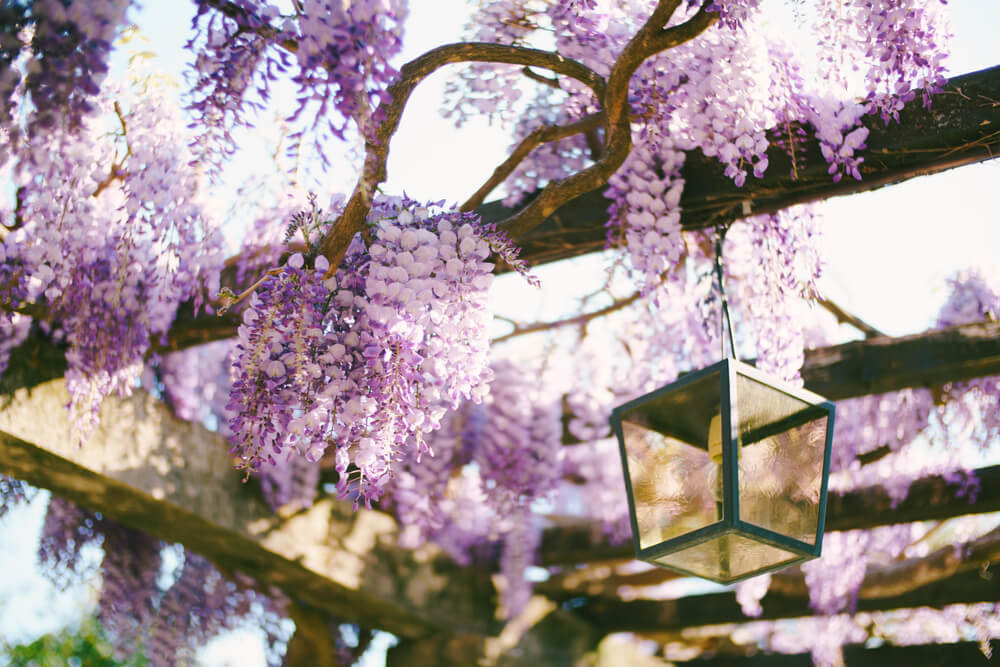
Wisteria is one of the most lovely vines a gardener can grow, celebrated for its cascading clusters of purple, pink, blue, or white blooms. These blooms, which can reach over a foot long, have a distinctly romantic, almost ethereal charm, and they evoke images of timeless gardens, sprawling verandas, and enchanted arboretums. While Wisteria can be the crown jewel of any outdoor space, knowing the right way to plant and care for it is vital to unlocking its full potential. From the timing of planting to the best locations and potential drawbacks, let's dive deep into understanding this enigmatic vine.

Wisteria is a stunning vine that, when properly cared for, can be the centerpiece of a garden for decades. Its lush, pendulous blooms and vigorous growth make it a sought-after plant for gardeners looking to create a dramatic display. However, the beauty of Wisteria has a few caveats. Planting it at the right time, giving it space to grow, and committing to regular maintenance is vital to enjoying this majestic vine's benefits while avoiding potential pitfalls. With the proper care, your Wisteria vine will reward you with beauty and elegance, transforming your garden into a haven of blooms.
Similarly, Wisteria should not be planted near the foundation of a home or close to underground plumbing. The plant's robust roots can disrupt foundations, sidewalks, or water lines if planted too close. While WisteWisteriaers full sun to partial shade, choosing an open, spacious location where the vine can grow without infringing on other garden elements is essential. Ensure the structure supporting your WisteWisteriaturdy, whether a metal arbor, trellis, or large pergola, as the vine can become quite heavy over time.
The Blue Wisteria Tree is perfect for you if your fantasy garden has colour, smell, and a little bit of enchantment. Every time I see its lovely clusters of lavender-blue flowers hanging over porches or garden arches, I remember how easily it changes a space. This native wisteria cultivar provides both elegance and structure to any environment with its luscious leaves and graceful shape. It looks great without needing regular care.
As it grows, the wisteria tree vines begin to attach and twine around any nearby supports. Take care to plant with sufficient space for the roots, and beware of placing too close to other trees because of the vine growth. In some areas, it is considered invasive due to its ability to flourish even in moderate soil.
It's essential to keep the planting conditions consistent. Wisteria likes well-drained soil with a slightly acidic to neutral pH. Amend the soil if necessary to avoid waterlogged conditions, which Wisteria dislikes. Before planting, inspect the root ball of your Wisteria, ensuring it's moist and healthy. After planting, water deeply to encourage healthy root growth.
As the plant thrives in different areas its flowers attract some moth species and rare butterflies to contribute to local biodiversity. The dense vegetation provides protective nesting sites for small birds which remain safe from predators. The vine's ability to support various wildlife proves its ecological benefit beyond just its visual appeal.
Prune your wisteria in the late winter and again during the summer. To increase blooms, cut excess shoots every couple of weeks during the summer. Proper pruning is essential to having the tree flower with the lovely blooms that have given it a worldwide reputation for being an attractive garden plant.
Wisteria trees do best in sunny areas where plenty of water is available when needed by the plant. You should not plant these types of trees near ponds or lakes because they will absorb too much moisture from the soil, which could harm them over time if left unchecked.

The fast growth can be both a blessing and a challenge. Regular pruning is necessary to keep the vine manageable and encourage flowering. Unchecked, Wisteria easily becomes overgrown, swallowing smaller plants and dominating garden spaces. But with some care, you can harness its growth to create stunning visual displays.
Wisteria functions as crucial support for wildlife systems besides its decorative beauty. The vine's flowers produce copious nectar which draws numerous pollinating species making it beneficial for both bees and butterflies. The blooms of this vine hold special appeal for honeybees who gather its nectar to make aromatic honey.
The vine stands out in cultivation because of its fascinating history combined with its stunning beauty and its significant role in supporting pollinators. Every time it drapes elegantly over a trellis, creates an archway of blossoms, or cascades down historic estate walls it leaves an unforgettable impression.
At TN Nursery , I often tell customers to give their wisteria space to climb or spread naturally - perhaps along a fence, pergola, or arbor. Once rooted, it requires little watering, and a simple pruning in late winter keeps it vibrant for next season's bloom.
When caring for your tree, you need to place a couple of inches of mulch around the base for water retention and weed control. Additionally, water it if the rainfall has been under 1" for the week. Furthermore, phosphorus will aid with flowering.
When planning a design with a Blue Wisteria Tree , I often recommend adding native perennials, shrubs , and groundcovers that enhance its woodland personality. These combinations not only elevate the beauty of your garden but also support local pollinators and soil health.
Wisteria trees sometimes bloom if they need more water or fertilizer during the growing season. If this happens, you will need to prune some dead branches so they do not weigh down other branches and break them off.
Wisteria trees are easy to grow and care for if you keep them watered and fertilized correctly. They do best when planted in full sun but will tolerate partial shade.
Provide full sun, prune in late winter, and water occasionally. Once established, it requires very little upkeep.
