
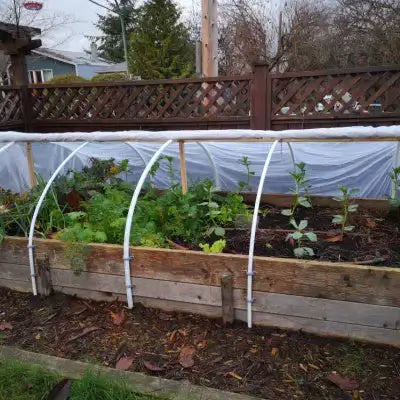
Essential Winter Gardening Strategies for Protection
Although the beauty of frost-covered land may lull many a gardener into thinking the season for planting is past and not to be resumed until the crocus and snowdrop herald the coming of spring‚ there are indeed plants which can be grown during winter‚ and these are satisfied not only with the beauty of late winter blooms‚ but with the prospect of early spring․ By following a few simple winter gardening tips‚ plants can be protected through the cold winter months and encouraged to thrive as soon as the warmer weather seems to appear․ This article will highlight nine useful winter gardening tips that can help a gardener to maintain a healthy garden despite the freezing temperatures that winter often brings․
The most key factor for a successful winter garden is to use the right plants․ Some plants are naturally more resilient during the winter months‚ including evergreens‚ perennials‚ and some vegetables‚ including kale and Brussels sprouts․ Many of these very hardy plants have become accustomed to this cold climate․ The hardiness zone system‚ which indicates a plant's tolerance to extreme low temperatures‚ is useful for gardeners․ For instance‚ if you select plants bred for use in a cold climate‚ it becomes a garden of foliage through the winter‚ rather than a garden of dead foliage in March․ You are immediately creating the building blocks of the winter garden․
Why Mulch is Important for Winter Gardening
Another use of mulch is to winterize plants: a layer of mulch often makes the difference between whether a plant lives or dies in a cold climate․ The majority of gardeners know that mulch is an important part of the process․ A less well-known fact about organic mulch (straw‚ wood chips and shredded leaves) is that it acts as an insulator‚ reducing heat loss and providing added protection against extreme cold that can harm plant roots․ Mulch also helps to conserve moisture‚ and thus would help reduce the amount of times a gardener has to water in winter․ When mulch is in place‚ the gardener is free to add organic material to the topsoil so it can be mixed in as the mulch decays․
While it seems counterintuitive that anything would be accomplished in the garden in winter‚ many trees and shrubs benefit from being pruned in winter so that they can grow more successfully in spring․ Removing dead and dying branches will prevent pests and disease from spreading during the dormant season․ This is also a good time to prune trees as air circulation is improved and mold and mildew have less chance to grow as frost recedes and humidity increases․ Instead‚ it is best to prune artfully so that no cuts are made that could harm the plant․ Learning how and when to prune during the winter will set the stage for flowering and foliage in the spring․
Watering during the winter season will change and it is very important to water correctly․ Plants need less water during this season‚ but they should not be allowed to completely dry out․ Occasional changes in soil moisture levels caused by freeze/melt cycles in the winter should be expected‚ but a lack of moisture can stress even the hardiest of plants․ Moisture levels in the soil should be maintained and plants watered as required‚ particularly on warmer days when frost conditions have passed․ Gardeners should ensure that the plants receive the correct amount of water‚ so they can withstand the cold‚ and survive to grow back stronger․
Microclimates Add Protection in Winter Gardening
Microclimates may also help plants in winter․ Many gardeners create microclimates in their garden‚ for example by a sunny spot‚ or a sheltered corner‚ or by a sheltered corner behind a windbreak‚ such as a fence or a row of trees․ Microclimates are particularly important for providing warmth and protection from cold winds‚ enabling non-frost-resistant plants to grow in an otherwise inhospitable climate․ For example‚ pots of herbs or small flowers can be leaned against the south side of a wall to gain protection from the weather and direct sunlight․ By studying the varying spaces which lie within the borders of a garden and creating sheltered locations‚ gardeners can use their space wisely for maximum enjoyment․
In conclusion‚ it is possible to create gardens in winter․ A winter garden can be a lovely and inspirational garden․ A winter garden can be created by planting appropriate plants (including colorful foliage)‚ providing mulch‚ pruning‚ watering‚ and utilizing microclimates to protect plants from the cold of winter․ The work that has to be done in these months is not only important to the success of the garden in winter‚ but also to make way for the success of the garden in the unfolding glory of spring․ Gardening in winter is a lesson in patience‚ and a reminder that things will be back to life again come spring․ With a little help from these winter gardening tips‚ you can make the most of your cold season․


