
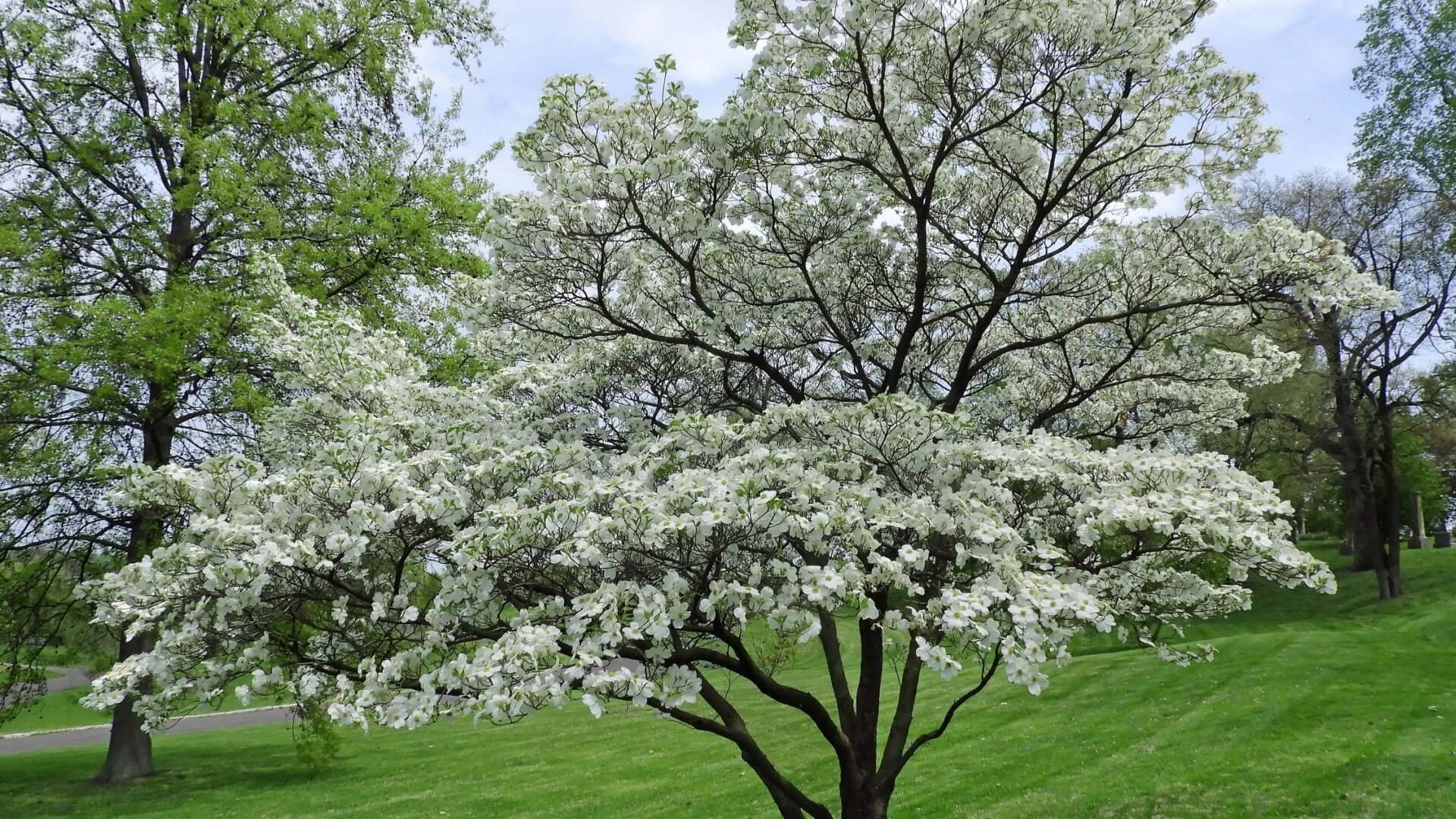
With its delicate white blooms and elegant shape, the White Dogwood tree is a captivating addition to any garden terrain. Known for its charming spring flowers and vibrant fall foliage, it brings year-round appeal, making it a favorite choice among gardeners and landscapers. The White Dogwood offers more than just beauty; it serves as a habitat for wildlife, adds visual interest to gardens, and is steeped in cultural significance across various regions.
How fast does a White Dogwood Tree grow?
The growth rate of a White Dogwood tree is considered moderate. Under ideal conditions, it typically gains about a foot to two feet in height annually. This pace allows the tree to gradually establish itself in the garden, allowing homeowners to enjoy its changing form throughout the years. While its growth rate might not be rapid compared to other species, the gradual progression offers the tree abundant time to create a robust root system, ensuring its health and longevity.
Several factors can influence the pace at which a White Dogwood tree grows. These include the soil quality, the sunlight it receives, and the local climate. It flourishes best in well-drained dirt that is prosperous in organic matter. Adding a layer of mulch can help hold moisture and maintain a steady temperature near the roots, promoting healthier growth. Though the tree can adapt to different soil types, it performs optimally in slightly acidic to neutral pH soils. The tree flourishes if given partial shade with a few hours of direct sunlight, creating a more robust canopy.
White Dogwood Size and Growth Rate
A white dogwood tree white dogwood tree is a flowering shrub that grows to about 30 feet tall . Its flowers bloom in the spring, and small red berries develop later in the summer.
The tree grows to a moderate height of 15 to 30 feet which makes it a perfect fit for landscaping residential gardens. This species produces a layered structure that contrasts with towering hardwoods and integrates well with multiple plantings to create an elegant understory in wooded areas.
Where is the best place to plant a White Dogwood Tree?
Finding the perfect spot to plant a White Dogwood tree involves considering the amount of sunlight, soil condition, and space for the tree's mature size. The tree enjoys partial shade, especially in regions with hotter climates, where excessive direct sunlight may cause leaf scorch. When positioned in a location where it receives morning sun and afternoon shade, the White Dogwood thrives, resulting in larger blossoms and more vibrant foliage.
White Dogwood trees prefer environments that mimic their natural woodland edge habitat, where filtered light and good air circulation promote their best growth. They should not be planted in areas prone to waterlogging, as overly wet conditions can cause root rot. Planting on a slightly elevated spot or ensuring the soil is well-drained will prevent excessive moisture accumulation around the roots. Additionally, avoiding spots near asphalt or concrete can be beneficial, as these surfaces can reflect too much heat toward the tree. Regarding spacing, give the tree at least 20 feet from other large plants or trees to ensure proper airflow and ample space for root expansion.
Planting White Dogwood
Caring for your white dogwood tree is pretty straightforward. The plant does best in full sun and well-drained soil . It thrives in zones 5-8. Water regularly, especially in hot, dry weather, to a depth of 6 inches (15 cm) once a week, particularly during the establishment phase. Prune carefully, removing dead branches in summer and for aesthetic purposes in late fall.
Some individuals buy white dogwood trees purely for aesthetic purposes. If you plant several trees, they should be spaced at least 12 feet apart. Liberally water the planting hole and pull out any opportunistic weeds like turfgrass .
How many years does it take for a White Dogwood Tree?
The White Dogwood tree is a bit of a patient gardener's delight, as it generally begins to show its signature blooms between three and five years after planting. The first few years are spent developing the tree's foundational root system and sturdy trunk. This initial focus on establishing a solid base ensures the tree is lush and abundant when blossoms appear.

Several factors contribute to when the tree will start to bloom. For instance, seed-growing trees may take longer to flower than those planted as young saplings or grafted specimens. Location also matters; in climates with milder winters and longer springs, the White Dogwood may reach blooming age slightly sooner. Once established, the tree reliably puts on a show each year, with clusters of white blossoms creating a stunning canopy during spring. The flowering period is typically about two to four weeks, with timing that can vary slightly depending on the region and weather conditions during the spring.
About White Dogwood
The tree survives in most areas of the United States, and most of the areas that experience properties of zone 4 to zone 9.
Dogwood_15_FGT_650x.jpg?v=1627070656" data-caption="A blossoming cherry tree with dense white flowers and a dark trunk stands on a grassy hill under a clear blue sky." data-ai-alt="1">
Visit our online shop for a wide selection of plants and trees, or come say hi at our store location in Tennessee ! We offer fast shipping nationwide so you can start transforming your garden today!
What is the lifespan of a White Dogwood Tree?
A well-cared-for White Dogwood tree can live for 80 years or more, offering beauty and character for generations to enjoy. While the tree's lifespan is robust, several factors can affect its longevity. Healthy soil, proper watering, and protection from pests and diseases are essential to maximizing the tree's life. Pruning dead or weakened branches also contributes to its health by encouraging new growth and maintaining a balanced shape.
White Dogwood trees are susceptible to specific issues such as powdery mildew, anthracnose, and borer infestations. However, many of these potential problems can be managed effectively with preventive care and timely treatments. Avoiding overwatering is also crucial, as the tree is sensitive to excessive moisture that can lead to root rot. Periodically assessing the tree's health and addressing signs of stress early can help prolong its life.
The natural cycle of the White Dogwood's life includes seasonal transformations, starting with vibrant spring blooms that attract pollinators. In the fall, its foliage turns a deep red or burgundy, adding to the garden's autumn palette. Even in winter, the tree maintains its ornamental value with textured bark that provides visual interest. These seasonal changes ensure that the White Dogwood remains a centerpiece of garden design.
Weeping Cherry Tree Cherry Tree Cherry CaptivatingIts capability to adjust to different garden settings, moderate growth rate, and manageable size make the White Dogwood an ideal choice for those seeking a tree that will reward them with beauty for many years. With its delicate balance of resilience and elegance, this tree embodies the charm and grace that garden enthusiasts desire. The White Dogwood tree is more than just an ornamental choice; it is a living testament to nature's beauty that evolves seasonally.
White Dogwood Care and Watering
The branches on the white dogwood tree take on an umbrella-like shape as they grow. The mature height ranges from 15 to 25 ft., and the mature width is about 20 to 25 ft. The tree is low maintenance and will excel in any soil type. As long as it has either partial or complete sunlight and a moderate amount of water, it will thrive. They grow in hardiness zones 5-9. Dogwoods don't grow exceptionally fast, so don't expect more than 1 to 2 feet of growth yearly. The lifespan of these trees is about 80 years.
The height of the dogwood tree varies with each species. However, the last recorded height across all the species is a short, stout bush ten inches in height. Conversely, there are other species of dogwood that measure twenty-four inches each year. Notably, there are cases of well-maintained flowering species of dogwood that have grown to attain an average of forty inches in height.
White dogwood trees need at least 1 inch of water per week. They also require full sun and well-drained soil. Pruning is recommended once the tree is at least two years old because it will inhibit growth. Meantime, remember to fertilize them.
It displays vibrant green leaves during summer which create a refreshing shaded area. During fall months it transforms its foliage into a brilliant display of deep red and burgundy colors which make the tree an exceptional landscape feature. The tree maintains its presence through winter months thanks to its unique outline and rough bark texture which contrasts with the season's barren conditions.
White dogwood tree has various surprises of blooms to the owner if well maintained. Likewise, the tree unfurls white blossoms in May as it trumpets the arrival of spring. The flowers produced remain viable for several weeks. In addition to the splendor depicted in the spring, the tree features a fiery show of leaves during the autumn.


