
The Unique Ecology of Virginia Pine
Virginia Pine Tree (Pinus virginiana) is a coniferous evergreen native to middle Tennessee‚ a much revered tree that lends itself to beauty and utility in the landscape‚ as well as being an important part of the ecosystem wherever it is found․ A coniferous tree with a tangled necklace of stocky‚ twisted limbs similar to a living architecture and needle evergreen foliage‚ it shrouds the soil and air‚ and its tenants‚ throughout the wide-ranging expanse of the rolling hills and valleys․ More than just a native species‚ the Virginia Pine is a part of Tennessee's natural history․
Virginia Pines typically grow in dry sandy soil‚ on ridges or in dry woods․ However‚ they have also been seen to exhibit tolerance to growing under conditions where most other species might not be able to survive‚ such as in low-nutrient soil․ Virginia Pine is typically clumped‚ and a carpet of green is part of the Tennessee scene․ Virginia Pine's natural range is not only dependent on soil type‚ but also on the climate being conducive․ Virginia Pine grows well in a climate with warm summers and cold winters․ The tree's ability to grow in different conditions has made it a keystone species in the forest system․
Virginia Pines are Considered a Pioneer Species
Ecologically‚ the Virginia Pine is considered a pioneer species and is often the first plant to establish itself in a disturbed area․ The plant holds soil together‚ allowing other‚ more sensitive plants to grow․ The tree is a habitat and food source for many different animals including birds and mammals which eat its seeds or feed on material from its branches․ The roots of the Virginia Pine hold the soil in place‚ and the needles that fall from the tree along with limbs and branches that fall are recycled to the forest floor to maintain the health of the forest and biodiversity․
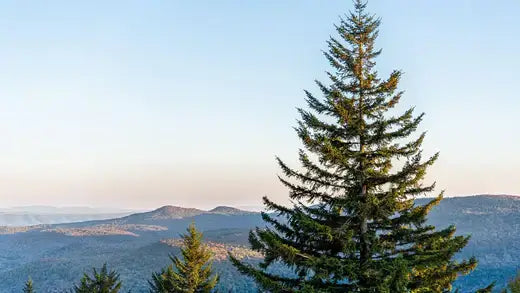
The outline of the tree is fairly distinctive‚ as it grows to a maximum height of 70 feet‚ with an irregularly shaped crown‚ that makes the Virginia pine appear picturesque against the sky․ Long needles grow in clusters of two or three in soft feathery tufts‚ that sway in the wind․ The bark is dark and scaly‚ protecting the troubled tree during insect attacks or high winds‚ and this trait has made the Virginia Pine a common feature across the Tennessee landscape‚ offering a hallmark of the natural and manmade environments of the state․
Virginia Pines are also valuable for multiple industries․ The wood of the trees is tough and durable․ The trees have thus been extensively harvested for the construction industry and the furniture industry․ The trees have also been harvested extensively for the paper industry‚ as the wood pulp derived from them is suitable for making high-quality paper․ Virginia Pine is used for planting trees and reforesting areas after tree removal in urban and rural areas and is an important source of turpentine and other chemical products․ It is also of commercial value as timber․
Virginia Pines Can Withstand Drought Conditions
The Virginia Pine has adapted to the climate in Tennessee․ It appears to thrive in Tennessee humidity in the summer and in the winter it can withstand the cold wind․ The Virginia Pine is also able to withstand drought conditions because of its deep tap root that can find water and its needle-shaped leaves that conserve water more than broadleaf leaves․ Adaptations developed through a long period of evolution help support Virginia Pines during periods of drought․ Adaptation to climate change will be critical to determining whether these trees will continue to succeed in the future and be a part of the landscape․
In conclusion‚ the Virginia Pine Tree is more than just a tree; it's a vital part of Tennessee's ecosystem and its resilience‚ adaptability‚ and important ecological and industrial roles make it a truly important part of the landscape․ The unique value of the Virginia Pine is not limited to its contribution to the aesthetics of the region‚ but also its numerous economic and ecological benefits․ In these times of increasingly dire environmental challenges‚ the value of such trees must be considered in their ability to sustain and heal nature․ The future of the Virginia Pine should be made known and protected so as to allow future generations to enjoy its beauty and resources‚ proving that nature is undoubtedly powerful despite continuous change․


