
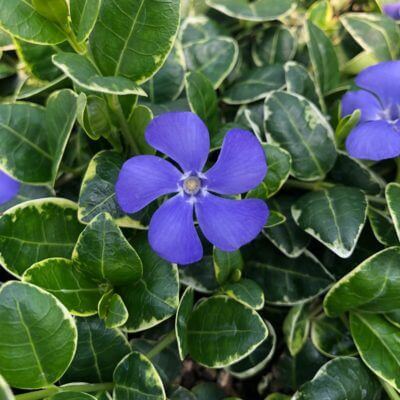
10 best shade perennials for Tennessee gardens
When your shade garden is under the influence of oaks‚ maples, or a neighbor's fence line‚ you need to search for perennials that are happy in the woods or plants that are true shade lovers like Hosta‚ Astilbe‚ Foamflower, and Solomon's Seal․ Tennessee's hot‚ humid summers and clay soil may cause some sun-loving perennials to sulk in shade‚ but not these ten․
Before you plant‚ know your light․ Full shade means no sun reaches the ground‚ such as under a dense canopy of trees or the north side of the house․ Part shade is defined as 3-4 hours of morning or dappled sun per day․ Most of Tennessee falls within USDA Zones 6b-7b․ All these plants can grow in at least the hardiness zone range shown‚ often toward Zone 4 or 5 on the cold end․
1․ Goat's Beard (Aruncus dioicus)
Resembling a large astilbe‚ growing like a small shrub‚ Goat's Beard has creamy plumes during late spring as flowers․ After a few years growth (approximately year three)‚ it can grow to be four feet (1․2 m) tall by four feet wide at maturity․ It prefers partial shade to full sun‚ and moist to well drained soil‚ but must not encroach on the woodland edge․ Once established‚ the plant is almost maintenance-free․
2․ Virginia Bluebells (Mertensia virginica)
Native plants grow in the rich bottomland soils of the eastern United States, where in April they bloom with pink buds that open into true blue‚ bell-shaped flowers․ By the beginning of summer, the plants are dormant․ They can be planted with later-emerging perennials such as hosta or ferns․ Cold-hardy‚ dormant‚ and drought-tolerant‚ they're very low-maintenance in the spring garden in Tennessee․
3․ White Trillium (Trillium grandiflorum)
White Trillium is slow to form a colony (a few years)‚ so the flower is worth the wait․ The white‚ three-petaled bloom appears in early spring above whorled leaves․ As time passes‚ the bloom ages to a light pink before it disappears․ It does best in full to part shade and rich humus․ It grows well under the woods of Tennessee's hardwood forests․ Do not disturb the roots: trillium resents transplanting․
4․ Foamflower (Tiarella cordifolia)
Foamflower is one of the South's best groundcovers for shady areas․ It will run out into a dense mat of heart-shaped leaves‚ often mottled with color‚ below fuzzy white-pink spikes in April and May․ It tolerates full shade a bit better than most plants on this list‚ and has an attractive bronze-red tinge in fall․ It is sold as a bare-root division by the TN Nursery‚ and roots easily in moist shady beds․
5․ Wild Ginger (Asarum canadense)
Not related to culinary ginger‚ this native groundcover forms a shiny carpet of heart-shaped green leaves with small maroon‚ jug-shaped flowers underneath․ The flowers are hard to see because they grow under the leaves; you need to split apart the leaves to see them․ It is one of the few perennials that will thrive in full‚ dry shade once established‚ making it a choice for difficult conditions underneath mature trees․
6․ Astilbe
For early to mid-summer color in the shade‚ Astilbe is a first choice with its plume-like flower spikes in pink‚ red‚ white and lavender shades․ These dramatic feathery plumes bloom when most other flowering perennials have finished blooming for the season in shady beds․ Soil should be moist․ Tennessee's humid summer and fall climate is helpful‚ but it can also experience dry periods․ To maintain vigor regularly divide clumps (every 3-4 years) ․
7․ Hosta
No shade garden plant list is complete without Hosta․ Hostas range in size from dwarfs that are only 6 inches tall to 4-foot giants with a range of foliage color from blue-green to gold to variegated cream․ There's a Hosta for every shaded spot in the house․ They're long-lived (a well-sited Hosta can outlive the gardener who planted it)․ TN Nursery has many tried and true selections that grow well in the humid Southeast clay․ But don't worry about the shade: deer and slugs are what's going to take it down․
8․ Coral Bells (Heuchera)
Coral Bells repay the space with foliage that hums all season in amber‚ purple‚ lime‚ near-black depending on variety․ Airy flowers on stalks attract hummingbirds in early summer․ A part-shade location is best in Tennessee․ By full sun in our July heat‚ the leaves burn off and go limp․ Soil drainage is especially important; untampered with heavy clay soil will rot the crowns if winter is wet․
9․ Solomon's Seal (Polygonatum biflorum)
In garden design‚ small, architectural, elegant Solomon's Seal fills the empty spaces in the shade border with its nodding‚ bell-shaped flowers in late spring․ In time‚ by rhizome‚ Solomon's Seal will form an arching foliage.
"

