
Landscaping Best Practices for Tennessee Yards: A Comprehensive Guide
Good landscaping begins with plants well-suited to your specific conditions‚ rather than using a plan from a national gardening magazine․ The state of Tennessee ranges from USDA zone 6a to 8a, with Memphis 7a‚ and plants suitable near Memphis could be doomed to failure in the Smoky Mountains' foothills․ Once you get this piece right‚ everything else about your outdoor space will feel easier․
And TN Nursery's landscaping suggestions made it into Forbes for a reason: If a strategy works on a large scale‚ it will also work on a quarter of an acre in suburbia․ Here's how․
Start With a Real Plan‚ Not a Shopping List
Most landscaping really begins at the garden center․ Before you buy anything‚ walk around the property at different times of day to scope out which areas get sun‚ shade‚ or both․ However‚ an area that was sunny at noon in April may not be sunny in June if the trees are in full leaf․
Draw a rough map of your property․ Include permanent features such as downspouts‚ septic lines‚ existing trees and low spots that hold water after a rain․ Heavy clay soils in Middle Tennessee and most of the country do not drain well․ Find out the wet spots on your land before you dig․
A basic plan should include: - Sun exposure by season (not just summer) - Soil drainage and soil type - Mature sizes matter‚ not just how these plants look at the nursery - How the space will actually be used (kids‚ pets‚ entertaining)
Select plants for Tennessee‚ not just the prettiest pictures․
Unfortunately, this is where most landscape failures occur․ A plant that looks so beautiful in the California catalog photo may not be able to tolerate our humid summer climate and odd single-digit winter cold․
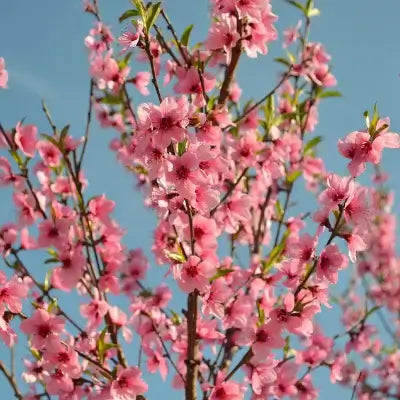
In your own yard‚ always err on the zone side: For Tennessee‚ at least zones 6-7․ Even the warmer parts of the state can have hard freezes․ And‚ no matter what exotic plants may be suited to your own area‚ natives will always outperform the foreigners‚ because they have evolved with our rainfall‚ our clay and our pests․ Eastern Redbud‚ Oakleaf Hydrangea‚ Black-Eyed Susan‚ and native ferns such as Christmas Fern thrive despite the combination of wet Springs and droughts that can occur in August․
In shaded traffic islands under established hardwoods‚ TN Nursery's shade-tolerant perennials and ferns flourish where turf grass has failed and looks uneven year after year․ In full sun‚ ornamental grasses and drought-tolerant perennials make watering unnecessary once the plants are well-established‚ usually within the first full growing season․
Don't forget bloom time; a landscape that only flowers in May looks empty the other eleven months․ Consider varying the timing from early spring bulbs like crocus to late season asters and other fall color․
Build in Sustainability From the Start
Sustainable landscaping and native plant landscaping are not new concepts‚ but rather sound design․ Native plants require little supplemental water after their root systems have been established (one to two growing seasons)․ This can reduce the need for irrigation by 30-50% when compared to landscapes with non-native ornamental plants․
A few steps can make all the difference: - Install a rain barrel under at least one downspout for watering plants in containers - Use compost, which builds up the soil structure over time‚ rather than fast-acting synthetic fertilizers․ - Preserve a strip of native vegetation along property edges to support pollinators and reduce mowing - Grouping plants that require a similar frequency of watering can help to avoid overwatering drought tolerant plants just to keep highly water-dependent plants alive․
The soil in Tennessee has a lot of clay in it‚ however‚ adding two to three inches of compost to the planting bed prior to planting results in better drainage and root penetration than any kind of purchased fertilizer․
Hardscaping Ties Everything Together
Walkways‚ patios‚ retaining walls‚ and other hardscape provide structure and solve practical problems‚ such as terraces that slow down the flow of water on a sloped lot‚ common in the rolling hills of Nashville and Chattanooga․
Natural stone holds up better to freeze-thaw cycles than some poured concrete products and may not crack after harsh winters․ Gravel paths may be a cheaper alternative that may also define spaces and allow for drainage along and around planting beds and trees․
Allow for plant growth when installing hardscapes․ A common error is placing a walkway too close to a shrub border‚ requiring continual trimming within a couple of years to keep the walkway clear․
Maintenance Realities (Not Just Water and Weed)
Maintenance advice is often vague to the point of uselessness․ In Tennessee‚ here's what you need to know‚ season by season:
Spring: Cut back ornamental grasses by the time new shoots appear (late February to early March)․ Apply pre-emergent chemicals before soil temperatures exceed 55 degrees Fahrenheit․
In the summer: Deep watering of plants (1 inch once a week or so) is much more effective than watering them superficially every day․ An established native plant can survive without watering‚ except in cases of prolonged drought․
Fall: In fact‚ fall is practically the perfect time for planting in Tennessee‚ as cooler temperatures minimize root shock during transplanting and soils keep ideal temperatures for rooting until November․
Winter: Avoid heavy pruning until the plant has gone dormant‚ from late January to early March‚ to avoid stimulating new growth in response․
Where Landscaping Is Actually Going
When investing in a new landscape design‚ a few shifts are worth building around and accommodating․
Outdoor living areas have expanded from patios to include fire pits and covered outdoor seating‚ although increasingly outdoor kitchens must withstand heat and humidity during the Southern summers from April to October․
Low-maintenance doesn't have to mean low-quality‚ and if your hardscaping is done considerately and you select the right perennials‚ your garden can look well-designed with minimal effort․
Vertical growing methods, including the use of trellised climbing vines‚ such as Perennial Climbing Wisteria‚ or indeed simple living wall structures‚ help solve space problems in constricted sites․
Outdoor lighting has gone from a functional necessity into an actual design feature‚ with homeowners making use of low-voltage path lighting and uplighting to light specimen trees or architecture at night․
Getting Started
This does not involve ripping out your whole yard at once‚ amend the soil slowly and begin with one or two plants that will thrive in your light conditions․ As your yard develops, you will be able to add more plants․ TN Nursery provides a wide variety of adapted Tennessee perennials‚ shrubs‚ and ferns that thrive in the area․ This makes that first step much less of a guess․
"

