
The Real Secret to Long-Term Blooms: How to Sequence Redbuds‚ Forsythia‚ Dogwoods‚ and Perennials for Color From March Through Fall
Most people don't know that redbud trees‚ forsythia shrubs‚ dogwoods and a whole succession of perennial and annual plants can provide something in bloom in your yard and garden from the last day of February through the first frost․ Plant them sequentially and the blooming will flow from one to the next‚ with blooms peaking at different times‚ one handoff after another‚ so there are never any gaps․
In Tennessee the forsythia bloom in late February or early March‚ redbud two or three weeks later‚ and the dogwoods at the same time or a bit later in April․ The perennials come through from May to October‚ so if you get that sequence right one year and then plant it the same way the next year‚ your yard will never look finished‚ the whole place is in a constant state of change․
Forsythia: The First Sign Spring Is Actually Coming
Forsythia is often the first shrub to bloom in Middle Tennessee and East Tennessee‚ sometimes even while frost is still on the ground․ Forsythia is a bush 3 to 6 ft (0․91 to 1․83 m) high and wide with bright yellow flowers on bare stems before the leaves appear․ The end result is a jarring burst of color after a bleak winter․
Although hardy from USDA zone 5 to 8‚ Forsythia is cultivated in pretty much the whole state of Tennessee․ It does well in poor soil‚ it doesn't need a lot of water once it is established‚ and deer don't normally seem to want to eat it․ The one thing people get wrong with forsythia is when to prune․ If you prune the plant in fall or winter‚ you will be pruning off the flower buds as well․ Try to prune just as it finishes blooming in the spring․
Redbud Trees: Tennessee's Native Spring Showstopper
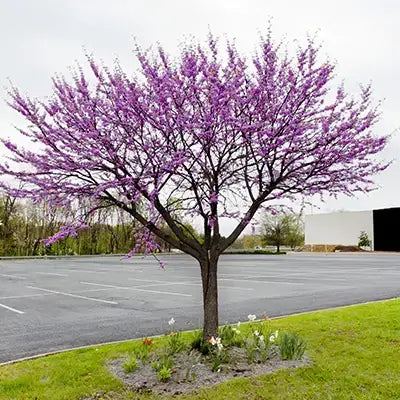
The eastern redbud C․ canadensis is a Tennessee native․ It can take our clay soil‚ humidity and uncertain spring frosts․ This small tree‚ growing from 15 to 30 ft․ tall‚ has rosy lavender flowers in clusters in the axil of the leaves‚ on the branches‚ on the trunk and on the ends of the branches․ It is one of the most interesting and beautiful․
The redbud starts blooming in mid- to late March for two to three weeks‚ making it one of the first flowering trees to bloom in spring‚ providing early season forage for native bees․ Once established‚ it is drought-tolerant and not heavily browsed by deer․ Sometimes seedlings are browsed off somewhat during the first two seasons‚ but the bark becomes too thick for this as the tree matures․ A position with full sun or partial shade is recommended․ Too much shade on the parent tree will delay flowering and give it an ungainly appearance․
Native redbuds are understory trees‚ and as such do better in both aesthetic and horticultural terms when planted next to a larger tree than they do in the middle of a lawn separated from other plants by several feet․
Dogwood Trees: The Backbone Bloom of the Southern Landscape
Cornus florida (flowering dogwood) may be the primary representative of spring flowering trees in the Southeast․ In natural settings‚ it may grow 20 to 30 ft (6․1 to 9․1 m) tall (there are several descriptions of it at 40 ft) and almost as wide․ It has white or rarely pink bracts that open in April after the redbuds․
Dogwoods tolerate partial shade (crucially‚ avoiding the hot afternoon sun and heat of the Tennessee afternoon that would cause green leaves to scorch) and prefer well drained‚ slightly acid soil (typical of the Tennessee woodland‚ hilly environment)․ Dogwoods are moderately drought tolerant when mature‚ but should be watered in the first two or three years until well established and mature enough to tolerate conditions without heavy watering․
One note on disease: dogwood anthracnose has been very problematic in the Southeastern United States since the 1970s (and is becoming a problem in natural populations at high altitude)‚ but the problem can be avoided by purchasing trees grown in a quality nursery (or a disease resistant strain) rather than digging wild trees․
Perennials: The Plants That Carry the Rest of the Season
Then the real long-term strategy comes in․ By the end of April when the trees and the shrubs have done their thing‚ most of the spring show has gone and you need to be planting your perennials for a succession of blooms rather than all at once․
A Tennessee bloom calendar may include:
- May-June: Coneflower‚ salvia‚ catmint - July-August: Black-eyed Susan‚ daylily‚ coreopsis - September-October: Sedum‚ aster‚ goldenrod
Except where otherwise indicated (usually after their first full year in the ground)‚ most of the perennials on this list are at least somewhat drought-tolerant once established‚ and most are somewhat deer-resistant (although "deer-resistant" should never be a guarantee: a hungry enough deer in a bad winter will try almost anything)․ Coneflower and Black-eyed Susan in particular are workhorses in Tennessee gardens‚ easily tolerating our clay soil‚ our humidity‚ and our periodic dry spells in summer․
The most common repeated error is to plant too much of a color so that the rest of the garden is that color for a whole season․ Perennials bloom for 3 to 6 weeks‚ and the rest of the season is foliage‚ so plant early‚ mid and late bloomers together in beds to create a display from May until the first hard frost․
Putting It All Together in Your Landscape
Also consider form when choosing species․ Dogwoods and redbuds are among those that can make good understory or accent trees in a border or shade garden along a property line․ Forsythia is suitable for use in a border or informal hedge when left to arch outwards․ Perennials are planted in front of and between trees and shrubs making up the groups․ The low-growing perennials also fill in between the trees‚ while the woody plants have staggered flowering․
We grow trees‚ shrubs and perennials‚ including redbud and dogwood trees‚ forsythia shrubs‚ and dozens of varieties of perennials that are perfect for Tennessee and the Southeast․ All of our stock is field grown or containerized and acclimated to the local soil and climate to enable your landscape to be established faster and with more confidence․ If you want to be serious about planting a bed or border for continuous bloom‚ call us and we will be happy to help you design a plan that works with your site‚ sun exposure‚ and soil․ That plan‚ more than any single secret plant‚ is the key to making a landscape look alive for ten months out of the year instead of three․


