
Evergreens for Tennessee Landscapes: A Complete Growing Guide
Evergreens solve the tree-based landscape problem that deciduous trees cannot․ The evergreen trees‚ shrubs and hedges you plant will add a sense of completion‚ privacy and life to your landscape for the six or seven months of the year that everything else in the Tennessee landscape goes bare․ Whether you need a windbreak in Zone 6b or a privacy screen in the mildest areas of Zone 8‚ the best evergreens will not skip a beat․
This book covers only those evergreens that have really performed in Tennessee and the Southeast‚ and planting and care schedules you won’t find on a plant tag․
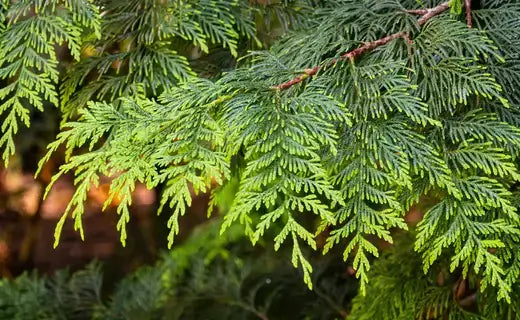
Embrace the Height and Fast Growth: Green Giant Arborvitae
Thujaoccidentalis (Green Giant Arborvitae) is probably the single most requested privacy plant we sell‚ and it is easy to see why․ Given some time to establish‚ one plant will gain 3 feet (0․91 m) a year to 40 to 60 feet (12 to 18 m) and stay a handsome‚ tidy pyramid that takes almost no pruning․
In Tennessee‚ Plant Green Giants in the spring or early fall so roots can become established before summer heat or winter cold hits․ Space them 5 to 6 feet (150 to 180 cm) apart․ Within three to four years‚ you will have a solid privacy hedge․ They are better than most conifers when it comes to our clay soil‚ but they need constant moisture the first two years‚ a soaker hose running once a week in dry weather is the difference between a hedge that thrives and one that languishes․
Eastern Red Cedar: Tough‚ Aromatic‚ Native Evergreen
It is not a true cedar‚ but Juniperus virginiana is commonly called cedar in the South‚ and it is one of the hardiest native evergreens in Tennessee‚ as it grows on poor rocky soil in full sun and survives both droughts and the worst conditions for most conifers․
In addition to the scented reddish bark and blue-green scale-like foliage‚ this native’s small blue berries (actually cones) sustain cedar waxwings and other birds throughout winter․ Eastern Red Cedar is capable of growing 1 to 2 ft (0․30 to 0․61 m) a year to heights of 40 to 50 feet․ Give it room! One thing most articles fail to mention: it must not be planted near a crabapple or apple tree since it is an alternate host of cedar-apple rust‚ a fungal disease that deforms both trees․
Loblolly Pine‚ Foundation Tree of Southern Forests
Pinus taeda is found throughout the Gulf Coast region from Tennessee to the southern tip of the state for good reason‚ growing from 2 to 3 feet in height each year and tolerating all soil types‚ from sand to loam to heavy clay․ These pines do‚ however‚ require well-drained soil to thrive․
Loblolly Pines make a better screen tree than hedge‚ as the growth is not so erect‚ nor so dense as that of the Arborvitae․ For wildlife‚ Loblolly Pines still have a place as the red-shouldered hawks will nest in the tops of large trees and many birds and mammals eat the seeds․ If you’re trying to restore a wooded property line‚ or fill out a large rural lot‚ Loblolly is generally the cheapest per lineal foot to plant․
Pitch Pine and Shortleaf Pine: Tough‚ Underused Natives
Yet another tree too seldom planted‚ Pitch Pine (Pinus rigida) is a tree that thrives in the rocky‚ sandy‚ acidic‚ and well-drained soil‚ and it withstands the windswept‚ exposed locations that are too inhospitable for most trees․ With its gnarly trunk and bristled‚ irregular branch habit‚ it has the appropriate windswept‚ individualistic character for a naturalistic garden․
The shorter-lived‚ more highly ornamental Shortleaf Pine (Pinus echinata) has a more erect and regular form with a straight trunk․ Once established (generally requiring two growing seasons)‚ it is fairly drought-resistant․ Both species are great choices for areas with poor soil conditions when something other than turf grass or invasives is desired․
Northern Privet and California Privet: Traditional Hedge Shrubs
For formal hedges rather than blanket privacy‚ the privets are a good choice․ Northern Privet (Ligustrum x ibolium) forms a dense hedge‚ with shiny foliage‚ and small‚ white‚ honey-scented flowers in early summer․ The odor has mixed reviews‚ with some people loving it and others finding it overpowering‚ so avoid planting near any bedroom windows․
California Privet (Ligustrum ovalifolium) tolerates the heat and California level of humidity‚ but could work well in the humidity of Tennessee summers‚ too․ Both are very responsive to shearing two or three times in a season‚ and help form a 4- to 8-foot tall‚ closely-knit hedge if kept shaped nicely to maintain their form․ They root easily from cuttings‚ so if you have one in your yard‚ you can easily take some cuttings․
Why Evergreens are Important Beyond Curb Appeal
Windbreaks and energy savings․ Mature evergreens planted on the north or northwest sides of a home can reduce heating costs in winter by serving as windbreaks for siding and windows․ Studies by the USDA Forest Service indicate that well-situated windbreaks can reduce heating costs of exposed rural homes by 10% to 25%․
Noise reduction․ Tall dense plantings of evergreens‚ especially arborvitae‚ privet and pines‚ offer a better sound barrier than a fence‚ absorbing or deflecting sound․ This is most important along heavily travelled roads or between properties with differing tolerances․
Air quality․ Evergreen leaves trap material on needle and leaf surfaces during the entire year‚ while this function is lost during leaf fall in deciduous trees․ Pines do particularly well here as their needles have a relatively high surface-area-to-volume ratio․
Wildlife habitat winter․ Deciduous trees lose their leaves in winter․ Evergreens provide essential shelter for birds and small mammals from the cold and also from predators․ Another little-known value is that with a mature cedar or pine tree‚ several nests can be found on a single tree‚ and birds that cannot withstand extreme cold spells will roost in them․
Best practices for planting and care
In Tennessee‚ the two best seasons for planting evergreen trees are early spring (March to April) and early autumn (September to October)‚ when temperatures are moderate and moisture is relatively reliable․ Evergreen trees are best avoided in the heat and humidity of July-August unless irrigation is available․
The hole should be double the width‚ but not deeper‚ than root ball․ Planting too deeply is often the most common cause for evergreen planting failure in the first year․ Water once weekly for the first season‚ tapering off as the roots become established․ Most do not require much feeding and a light application of balanced slow-release compound fertilizer in early spring should suffice․
TN Nursery has direct shipments of young well-rooted‚ ready-for-Southeast plantings of arborvitae‚ cedar‚ privet‚ and pine that can go straight into the ground in Southeast soils without starting with stock acclimating to an entirely different climate․ That matters more than people expect․ It’s often the difference between a hedge that establishes in two years and one that limps along for five․"


