
If you’ve ever planted something that looked beautiful on the tag but struggled, wilted, or needed constant babying in your yard, you’ve felt the biggest argument for native plants firsthand. Native plants are species that have grown in a region for thousands of years, evolving alongside the local climate, soil, rainfall patterns, and wildlife. That long history means they’re built for exactly the conditions in your yard — no coddling required.
At TN Nursery, we’ve spent decades growing native trees, shrubs, perennials, and ferns right here in Tennessee, and we’ve seen firsthand how much easier — and more rewarding — gardening becomes when you work with native species instead of against them. Here’s why native plants deserve a serious look in your landscape.
1. They Need Far Less Water
Non-native ornamentals are often bred for looks, not resilience, which means many of them require regular watering to survive a typical summer. Native plants, on the other hand, have deep, well-adapted root systems built for the region’s natural rainfall cycles. Once established, most natives need little to no supplemental watering, even during dry spells. If you’re tired of dragging a hose around the yard every evening, species like drought-tolerant native plants can cut your watering time dramatically.
2. They Resist Pests and Disease Naturally
Because native plants evolved alongside local insects, fungi, and other pressures, they’ve developed natural defenses that imported species simply don’t have. That means fewer pest problems, less disease, and far less reliance on pesticides and fungicides to keep them alive. A landscape built around native species is, in a very real sense, a lower-maintenance landscape.
3. They Support Pollinators and Local Wildlife
Bees, butterflies, moths, and birds co-evolved with native plants, and many depend on specific native species to complete their life cycles. Non-native ornamentals often provide little to no food value for local wildlife, even if they look nice. Planting natives like pollinator plants or butterfly-friendly species turns your yard into a real habitat instead of just a backdrop. If you enjoy birdwatching, our birding plants are chosen specifically because they attract and feed native bird species with seeds, berries, and shelter.
4. They Improve Soil Health
Native plants' root systems — often deeper and more extensive than non-native varieties — help prevent erosion, improve water infiltration, and build organic matter in the soil over time. Ground covers and native perennials are especially useful for holding soil in place on slopes or areas prone to washing out. Our native ground cover options are a great way to stabilize problem areas while adding texture and seasonal interest.
5. They Cost Less to Maintain Over Time
Less watering, less fertilizing, less pest control, and less replacing dead plants season after season adds up to real savings. While a native plant might look similar in price to a non-native option on the shelf, the real savings show up over years of reduced upkeep. This is especially true with trees and shrubs, which represent a bigger investment up front. Native trees and shrubs are built to establish strong root systems and thrive for decades with minimal intervention.
6. They're Naturally Suited to Your Growing Zone
One of the most common causes of plant failure is choosing something that simply isn’t suited to the local hardiness zone. Native plants eliminate that guesswork since they’re already proven to handle the winters, summers, and rainfall patterns of the region where they naturally grow. If you’re not sure what will thrive in your specific yard, our free Plant Finder tool can match you with native options suited to your zone, sun exposure, and soil type in just a few clicks.
7. They Preserve Local Ecosystems
Many non-native ornamentals have escaped cultivation and become invasive, crowding out native species and disrupting local ecosystems. By choosing natives, you’re helping preserve the natural balance of plants and wildlife in your region rather than contributing to the spread of invasive species. It’s a small decision in your own backyard that adds up across thousands of yards doing the same thing.
Native Plants Worth Adding to Your Yard
At TN Nursery, we’ve grown native Tennessee species since 1959, and a few stand out as go-to choices for homeowners looking to go native without sacrificing beauty:
- Pawpaw trees — a native fruit tree we’ve grown nearly 2 million of on our own farm, valued for its unique fruit and status as the host plant for the zebra swallowtail butterfly.
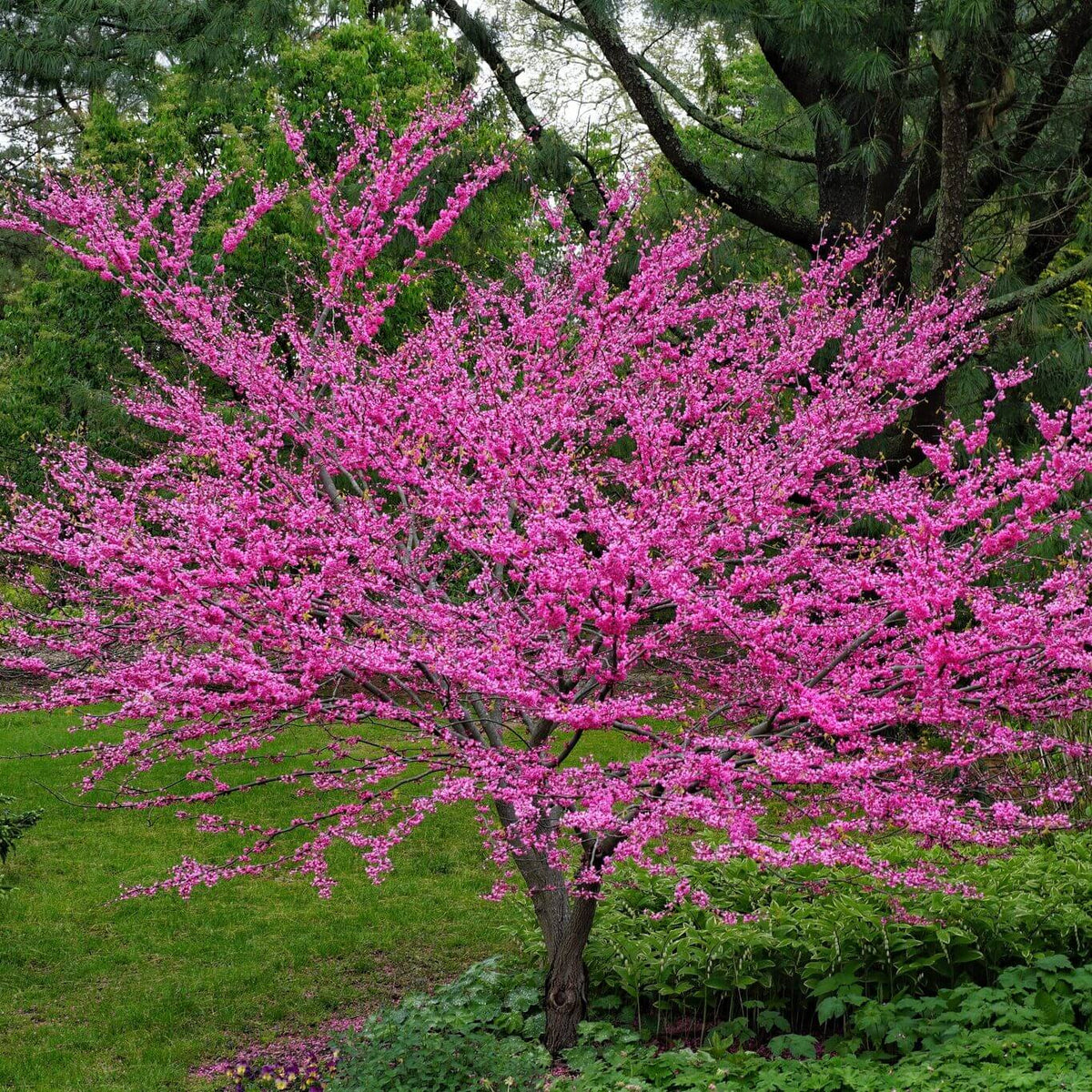
- Redbud trees — one of the first native trees to bloom in spring, offering vivid color and strong pollinator value.
- Black locust — a fast-growing native tree prized for its fragrant blooms and nitrogen-fixing roots that improve surrounding soil.
- Trumpet vine — a native flowering vine that hummingbirds seek out, perfect for fences, trellises, and arbors.
- Native ferns — ideal for shady spots where grass struggles, and nearly maintenance-free once established.
- Witch hazel — a native shrub that blooms in late fall or winter when little else is flowering, feeding pollinators when they need it most.
- Elderberry — also known as Black American Elderberry, valued for its berries, wildlife appeal, and fast growth.
Getting Started with Native Plants
Transitioning a yard to native plants doesn’t have to happen all at once. Start with one bed, one border, or a few key specimen trees, and build from there. Pay attention to sun exposure, soil drainage, and your USDA hardiness zone when choosing species — or let our Plant Finder do that work for you in under a minute.
Once your plants arrive, our Planting Instructions walk you through getting them into the ground correctly, and our Planting Calculator can help you figure out spacing if you’re planting more than one.
Why It Matters
Every native plant added to a yard is a small act that ripples outward — less water used, fewer chemicals needed, more food and shelter for pollinators and birds, and a landscape that actually belongs where it’s planted instead of fighting against it. After growing native Tennessee plants for over six decades, we’ve watched this approach pay off for thousands of customers across the country, not just in lower maintenance, but in yards that feel genuinely alive.
Ready to go native? Browse our full selection of native trees, shrubs, perennials, and ferns, or take our free Plant Finder quiz to get matched with species suited to your exact yard.
