
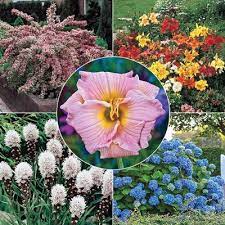
The 7 Best Sun-Loving Perennials for Tennessee Gardens
If you want a perennial that will live in a spot with six or more hours of direct sun every day‚ get bigger and better every year‚ and tolerate the humidity swings and clay soil of Middle and East Tennessee‚ consider these seven: Butterfly Weed‚ Black-Eyed Susan‚ Purple Coneflower‚ Red Hot Poker‚ Daylily‚ Russian Sage‚ and Threadleaf Coreopsis․ Most will tolerate the kind of dry spell that makes other flower beds crispy by August․
Tennessee is generally USDA Hardiness Zones 6b to 8a‚ although pockets of plant hardiness zone exist in the mountainous‚ higher elevation areas of the Great Smoky Mountains․ Every plant listed here is rated as hardy through at least zone 7‚ and several of the plants listed here are rated hardy down to zone 3․ Translation: once established‚ you're not babying these through winter․
Butterfly Weed (Asclepias tuberosa)
This is the plant to grow if you want monarchs‚ swallowtails‚ and native bees showing up in the right order and in a timely way․ Flat-topped clusters of orange flowers open in early summer and carry on into August․ This is a rather two-footed plant․ It is taprooted‚ like a daisy‚ and once established‚ it hates being dug up․ Choose a nice location and don't move it‚ and give it full sun and lean‚ well-drained soil․ Don't put it in rich soil or it will be leggy and floppy․ Once it's established after the first season‚ you can pretty much ignore it; it's certainly one of our most drought-tolerant perennials․
Black-Eyed Susan (Rudbeckia hirta)
Few perennials work as hard for as little effort as Black-Eyed Susan․ A black-eyed Susan's golden-yellow petals and dark chocolate center bloom from June until the first frost or‚ in a fairly mild fall‚ sometimes beyond․ It self-seeds almost too well‚ so don't be surprised if by year three you have twice as many․ On the other side of the coin‚ deer seem to leave it alone‚ unlike many perennial show-offs․ It grows best in full sun with average soil‚ though it actually performs worse if the soil is too fertile or wet․
Purple Coneflower (Echinacea purpurea)
Coneflower merits attention‚ for not only does it bloom for months on end‚ but if not deadheaded after frost‚ the seed heads produce winter food for goldfinches․ Rosy purple petals bend slightly downward around the spiky orange-brown cone‚ creating an elegant droopy look․ An established plant can produce twenty or more blooms․ This plant tolerates Tennessee's often-heavy clay soil․ Most perennials struggle to grow in it‚ but this plant thrives․ A little compost mixed into its planting hole will help it get going more quickly‚ but it will flower in the second year from seed and in the first year if purchased from a nursery․
Red Hot Poker (Kniphofia uvaria)
The plant people stop and ask about is the Red Hot Poker‚ with flower spikes two or three feet high‚ red-orange at the top and fading to yellow at the bottom․ It looks like a torch‚ thus the name․ It blooms in early summer‚ and occasionally in fall‚ if you're in a warm pocket of the state․ The strappy‚ grass-like foliage also stays evergreen through more moderate winters in Tennessee‚ giving the bed structure in the season when nothing else is in bloom․ It will do best in well drained ground (the number one reason this plant dies in winter is poor drainage; raised beds or gently sloping ground are best)․
Daylily (Hemerocallis)
Daylilies are about as close to foolproof as perennials get‚ and the climate in Tennessee is so well-suited to daylilies that they grow in highway ditches all over the state․ Each flower lasts one day․ In well-established clumps‚ a plant can produce many buds so that the flowering lasts for several weeks at a time during early to mid-summer․ It is tolerant of bad soil‚ drought‚ and heavy clay․ They reproduce rapidly‚ and you can divide a well-established perennial clump every three or four years and get a number of free plants․ They bloom best in full sun but will accept a few hours of afternoon shade in the hotter parts of the state without much complaint․
Russian Sage (Perovskia atriplicifolia)
If you want something that looks good even when not in bloom‚ Russian Sage has silvery aromatic foliage on wiry stems set with lavender-blue flower spikes appearing from mid-summer to fall․ It is one of the more drought tolerant here‚ preferring soil on the leaner‚ drier side․ Since it can die more easily from overwatering than from drying out‚ and since deer and rabbits will not eat it due to the scent‚ it can be planted in borders․ It can take two seasons to fill out and reach its three- to four-foot height‚ so don't be dismayed if it looks sparse in its first season․
Threadleaf Coreopsis (Coreopsis verticillata)
It is not as commonly planted as its larger cousins but its small‚ bright yellow flower and ferny‚ fine leaf make it a good gap-filler amongst larger perennials․ It flowers from late spring to summer and shearing it back by a third during July often leads to a second flush in autumn․ A rhizomatous perennial that spreads slowly‚ with a mature height of under two feet․ It fills in quickly without spreading aggressively․ Prefers full sun in well-drained soil․ More tolerant of heat than most other yellow flowering plants‚ which can be a benefit in the month of July in Tennessee․
**Planting and Care Basics**
Most of these establish best when planted in spring or early fall, giving roots time to settle before summer heat or winter cold hits hard. Water new plantings deeply twice a week for the first month, then taper
"


