
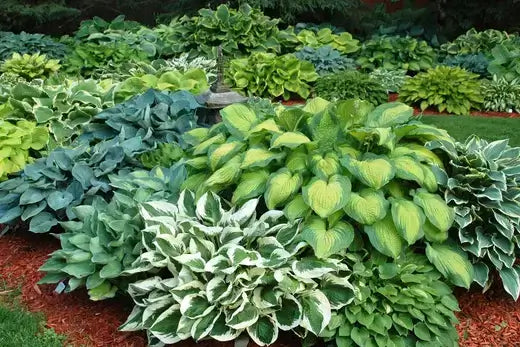
12 Tips for Keeping Your Garden Healthy Year After Year
Right plant‚ right place‚ good air circulation‚ right amount of water‚ helpful insects to manage pests․ These are the four pillars of a healthy garden and if you can get those fundamental principles in place‚ then most of your disease and pest issues are solved before they get out of hand․ Everything else‚ such as mulching‚ rotation and companion planting‚ is built on that foundation․
The humid summer season‚ heavy clay soil (especially in central and east central Tennessee) and the state's growing season‚ which lasts from late March through to October‚ differ across USDA zones․ The climate in most of Tennessee is rated as USDA zones 6b through 7b․ The state has high humidity and fungal disease risk from July to September‚ which is why many of the tips relate to maintaining humidity and circulation․
Start With the Plants That Really Want to Live Here
The single biggest mistake home gardeners make is buying plants at the garden center without checking to see that the plants are really suited to their garden․ A hosta that thrives in the cool‚ short summers of Vermont could turn into a slug-fest in a Nashville July․ Native and locally-adapted plants have had thousands of years to adapt to the clay soil‚ rainfall patterns‚ and pest trends in Tennessee‚ gaining an advantage each spring․
Native perennials and shrubs from TN Nursery are natives to the Southeast‚ so that's less coddling on your end‚ less fungicide‚ and less time spent watering and rushing out to save plants because they were never going to work in this climate to begin with․
Rotate What You Plant‚ Not Just Where
It is not just row crop farmers who practice crop rotation․ If you plant your tomatoes in the same place in your raised bed for three years‚ the soil borne diseases fusarium and verticillium wilt reach levels where‚ no matter how much you baby the plants‚ they will not grow well․ Nightshades (tomatoes‚ peppers‚ eggplant)‚ brassicas (broccoli‚ Brussels sprouts‚ cabbage)‚ and legumes (peas and beans‚ especially soy) are generally rotated from one part of the garden to another each year (in three-year cycles) because they deplete the soil of their preferred nutrients․ In a one-bed garden‚ container gardening with new potting soil is acceptable․
Give Plants Room to Breathe
In a dense population‚ the stealthier killer takes hold‚ as spores can jump from one plant to another in moments if the leaves are moist and close together․ This happens in days in the humid summer of Tennessee if conditions are favorable for powdery mildew and blight․ Even spacing instructions on plant tags are not just random․ An example is a suggestion of spacing tomato plants 24 inches apart‚ which is probably based on the fact that this allows air to circulate around leaves after it rains․
Clean Up After Yourself
Fallen leaves‚ spent flowers and dead plant material left in the garden all winter harbor fungal spores‚ slug eggs and overwintering insect larvae․ A fall cleanup that removes diseased foliage (compost the good stuff‚ bag or burn anything visibly diseased) will do more to prevent problems next spring than almost anything you can spray․
Water at the Roots‚ Not the Leaves
Most importantly: overhead watering․ Keeping the leaves wet overnight is an open invitation to fungal disease․ But soaker hoses‚ etc‚ or drip irrigation (which only waters the bottom of the plant)‚ are best․ If you must use a sprinkler‚ use it in the morning when the leaves are sure to dry․ Most perennials‚ once established‚ need an inch of water (including rain) a week; a simple rain gauge (home-made or bought) can help determine how much they are getting․
Mulch Like You Mean It
A 2 - 3 inch layer of wood organic mulch (shredded hardwood‚ pine straw and/or leaf mold) retains moisture during Tennessee's dry Augusts‚ controls weeds (which compete with plants for nutrients)‚ it helps the soil temperature fluctuate normally‚ and it reduces the chance of fungal growth on the lower leaves․ The mulch should not touch the stem or trunk by an inch or so because plants need air and planting against the stem creates a wet environment for pathogens or pests․
Recruit an Insect Workforce
Ladybugs consume aphids by the hundreds․ Lacewings consume mites‚ thrips‚ and the whiteflies․ If you want to keep your plants producing fruit‚ you can try to attract native bees and other pollinators․ To attract them‚ add coneflower‚ black-eyed Susan‚ aster‚ and milkweed to your garden․ All are very colorful․ Another of the best plants to have to attract pollinators and helpful insect predators in your yard is TN Nursery's Butterfly Weed‚ a type of milkweed and a food source for monarch caterpillars․
Plant Strategic Companions
Marigolds repel aphids when planted near vegetables‚ and repel some nematodes as well․ This is not a mere old wives' tale․ Basil is known as a companion plant to tomatoes‚ and is thought to improve tomato flavor or to confuse scent-tracking insects․ Although not a substitute for good horticultural practice‚ aphid-trap plants such as nasturtiums aid the buffer provided by good spacing and watering practices against aphid damage to valuable plants․
Use resistant varieties whenever possible․
Plant breeders are still developing new disease resistant cultivars of tomatoes and roses as well as other susceptible food-bearing and ornamental plants․ Many are now labeled with V (for verticillium wilt)‚ F (for fusarium wilt) or N (nematode) resistant․ As for ornamentals‚ ask at your nursery for native perennial and shrub varieties that are resistant to the diseases most common in your area and avoid disappointment that season․
Practice Integrated Pest Management
The IPM method can involve scouting the garden for the common pests in your area‚ and then handpicking the pests or introducing helpful insects that will prey on the pests‚ with pesticides seen as a last resort․ Monitor your garden every couple of days‚ because ten aphids is easy to control‚ but a plant completely covered in aphid colonies is an entirely different matter․
The Bottom Line
None of these work in isolation‚ of course․ A garden full of regionally appropriate natives‚ well-mulched‚ well-watered‚ and able to recruit a diverse range of helpful bugs‚ both predators and partners‚ from nearby pollinator plants‚ can sustain itself much better than any garden committed to fighting the climate starting on day one․ For example‚ plants that thrive in Tennessee are probably your best bet‚ and that issue is nothing but maintenance․


