
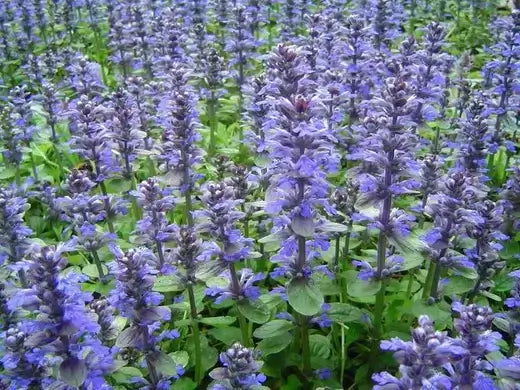
Gardening has been described as one of life's most rewarding activities․ Not only does the gardener make their surroundings more beautiful but they are most likely to eat the fruits (and vegetables and herb) of their labors․ Whether the gardener has a large garden‚ a small balcony or a windowsill a garden is possible․ Growing them may be a rewarding experience‚ full of patience‚ care‚ and new life from the ground․ If you are considering this green adventure‚ here are a few simple tips you should know to help your plants grow stronger and healthier․
If you want to successfully create a garden then the soil is where you need to start․ Different kinds of soil have different properties which affect plant growth and development․ They will benefit from a wealthy organic soil‚ which means the soil is high in organic material․ Soil should be loamy which means it is full of nutrients needed to grow a plant‚ where water can filter through the soil and the soil does not drain too efficiently‚ holding moisture well․ You may wish to amend the soil in a garden so that it is more fertile‚ or to change the texture․ You can test the pH of the soil․ Most plants prefer slightly acid to neutral soil‚ between 6․0 and 7․0․ The pH of garden soil can be affected by several natural causes․
Companion Planting Garden Plants
Companion planting is another interesting aspect of gardening․ The practice of companion planting is based on the ancient idea that plants can benefit each other by deterring pests or otherwise helping each other grow․ For example‚ a few marigold plants mixed in among your vegetable plants will deter bad insects and attract good ones‚ and the herb basil will help tomatoes grow․ Companion planting will help you to maximize each available square foot of your garden and lead to healthier plants by planting compatible species in proximity․ It is a fine art and a science to house the different species together successfully‚ and can lead you ever deeper into your garden․
How To Tend To The Soil For Garden Plants
Once your plants are in the ground‚ they will need nutrients to grow to their fullest potential․ For this reason‚ you should familiar yourself with fertilizing your crops‚ as this is often a necessary part of farming․ Organic fertilizer such as compost tea‚ fish emulsion or worm castings will provide nutrients as needed for the plant with no risk of burning out or overloading the plants․ Fertilizer can also be applied during the growing season (especially in the first year of growth and flowering stages) to promote plant growth․ Some plants will require a greater level of nitrogen for foliage development‚ while others will need more phosphorus for flowering and fruiting․
Another aspect of 'good gardening' is pruning‚ which is when you remove parts of a plant intentionally to improve the growing process and health of other parts of the plant and avoid disease․ While this might look intimidating to beginners‚ it can actually be very satisfying and not as complicated as it looks․ Removal of dead‚ damaged‚ and crowded branches from trees and shrubs opens up the plant to sunlight and air․ Pruning fruit-bearing varieties will usually increase the amount of fruit the plant produces‚ while pruning flowering plants can often result in more blooms․ There are exceptions‚ but as a rule‚ it is important to prune to keep the various parts of a tree or shrub in balance․
When the harvest time for your crops has arrived‚ there are some things you should remember to follow․ You should know when your crops should be harvested because picking fruits or vegetables before they are mature may affect flavor and texture and could also lead to overripeness or rot․ Use a sharp knife or scissors to minimize damaging the stem as you harvest․ The fruit should be handled gently so as not to bruise the skin․ If you're not quite sure‚ try squeezing or tasting a few before harvesting․ Proper post-harvest handling can greatly increase the harvest shelf life‚ preserving the flavor of your fruits and vegetables‚ for maximum flavor and enjoyment for weeks after you've harvested your crops․
Garden Plants Makes A House A Home
In conclusion‚ when it comes to gardening‚ there are many different things to consider to ensure the success of your plants․ From using good soil to companion planting‚ fertilizing‚ pruning‚ and harvesting‚ there are many techniques that can help make your gardening endeavors a success․ You are going to make mistakes․ Understand this‚ and know that there is much to learn in both victory and failure․ The more you garden‚ the more at home you will feel as an inhabitant of the earth you live on‚ and the more at home you will feel as a citizen of your garden․


