
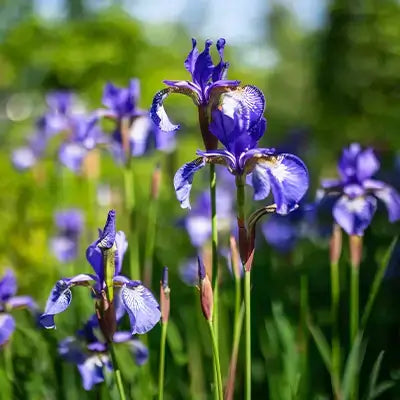
The Siberian iris is a warm and welcoming flower that blooms in the fall. It is native to the dry foothills of Central Asia. The foliage resembles the irises in Italy and France, but the flowers aren't as fragrant. Its popularity has grown since the 1980s because of its adaptability for gardens ranging from sunlit to shady and moist to dry locations.
They are generally perennial herbaceous plants. The leaves are dark green and narrow-toothed, sometimes with a sharp point at the tip. It is famous for its beautiful foliage, but it produces tall, lanky flowers that bloom in spring and summer. With their various colors and patterns, It makes excellent additions to any garden or landscape.
Growing Siberian Iris From Seed
First, select a sunny site with rich, well-drained soil to sow them. You can also choose to sow your seed outdoors in the spring or autumn, though this may affect the flowering period of your plant.
Dig a small hole and plant each packet of seeds at least 2 inches (5 cm) below ground level. Ensure enough room is left between each packet of seeds so they can grow together into a single clump when planted together later. This spacing should be about 1 inch (2 cm).
Water the soil generously around each seed before planting it so that it takes root quickly after planting and before it grows tall enough for you to notice its presence above ground level.
Pruning Siberian Iris
To cut back Siberian irises, use clean, sharp pruners and trim the leaves to about two to three inches above the ground. Doing so prevents lingering pests or diseases from overwintering in the dead foliage. Removing the yellowed leaves also improves the appearance of your garden beds and reduces the risk of fungal issues in the spring.
Siberian Iris Problems and Pests
Avoid placing Siberian irises in areas with poor air circulation or heavily shaded spots when choosing a site. Good airflow helps prevent fungal diseases, which can sometimes affect irises. Additionally, while Siberian irises are drought-tolerant once established, ensuring they have consistent moisture during their first growing season is essential. This early hydration helps them build the robust root systems they need to survive harsher conditions later.
Siberian Iris Light Requirements
It requires bright light, with ample direct sun for part of the day. It is best suited to a sunny window with only 6 hours of direct sunlight. The plant will tolerate shade but does not fare well when there is too much shade (it will stretch and become leggy). It also prefers cool temperatures, with a minimum of 20 degrees F. It will not appreciate drafts or air movement around the foliage if kept indoors during winter.
It is a plant that does not need a lot of water. It does not like to be overwatered and does not like to have its soil dry out. The soil should be moist, not soggy. The best way to water the plant is with a soaker hose, allowing you to water your plant without applying too much water. You can also use a drip irrigation system or sprinkler if you cannot access a soaker hose. In this case, make sure that you check on your plant every few hours to check whether it needs more or less water.
They can cause damage by feeding on top of the leaves, on new growth, or through stalks and blooms. Aphids also transmit viruses to nearby plants.
Scale insects can cause severe damage to them, primarily when they feed on foliage during hot weather.
Botrytis fungus is a fungal disease that affects flowers and foliage. It causes leaf drop from late autumn until spring. The specific pathogen requires excellent conditions for infection; it cannot survive for long periods at temperatures above 80 degrees Fahrenheit (27 degrees Celsius). Botrytis does not harm roots or stems, as do many other fungi.
Planting Siberian Iris
However, planting Siberian irises in less shade can result in fewer flowers. The plants may survive in deeply shaded areas, but the lack of sunlight will affect their growth and blooming capacity. For this reason, it's best to strike a balance-ensuring that your irises get ample light without being exposed to overly harsh conditions.
One of the beauties of growing Siberian irises is their relatively low maintenance, but a crucial part of their care is cutting them back at the appropriate time. The foliage will begin to yellow in the fall and die back naturally after the blooms have faded. This is the ideal time to cut them back, as removing the spent foliage helps the plant preserve energy for the following growing season.
By cutting back Siberian iris in the fall, you're helping to promote robust growth for the coming year. With their neat, grass-like leaves and bold flowers, these plants will reward your efforts with stunning blooms and an elegant garden presence year after year. Whether you plant them for their beauty, hardiness, or ease of care, Siberian irises will continue to stand out in any garden.
If you plant in the fall, give the irises ample time to root before winter. This will ensure they have a strong start when spring comes around again. When planting, ensure the rhizomes are set slightly below the soil's surface, with a thin layer covering them. This positioning encourages healthy growth while preventing rot, a concern for any garden iris.
Siberian irises are adaptable regarding light requirements but function best when planted in complete sun to partial shade. Aim for optimal flowering for a spot that acquires at least six hours of unaffected sunlight daily. In full sun, Siberian irises produce more vibrant blooms and healthier foliage, making them an eye-catching addition to your garden during their blooming period, typically in late spring to early summer.
Siberian irises are among your garden's most adaptable and low-maintenance blooming plants. The best time to plant Siberian iris is spring or late summer to early fall. By planting in spring, you allow the irises a ton of time to confirm themselves before the growing season begins. The weather is warmer, and the soil is more workable after winter, providing ideal conditions for the roots to develop.
Siberian irises are particularly striking when planted near water features, like ponds or streams, as they naturally enjoy moist but not waterlogged soil. However, they also do well in regular garden borders, provided they receive adequate moisture. You may also find that they flourish in slightly raised beds or along garden edges, where their fine foliage and delicate blooms can enhance the landscape's texture.
Siberian Iris Care and Watering
Some afternoon shade can shield the plants from the extreme heat in regions with sweltering summers. Siberian irises are known for being more heat-tolerant than other iris varieties, but they still appreciate some relief during the hottest part of the day. Partial shade, especially during the afternoon, can prevent the blooms from wilting or fading too quickly, and it helps the foliage maintain its lush appearance.
Some gardeners opt to leave the foliage intact until the first hard frost, as it can provide additional winter interest, especially if you enjoy the look of frost-covered seed pods or spent blooms. However, from a maintenance perspective, cutting back in early fall ensures a cleaner, healthier garden. After trimming, consider applying a mulch coating near the plants' base to protect the rhizomes from freezing temperatures, particularly in colder climates.
How To Plant Siberian Iris in Your Garden
To plant Siberian Iris, you must dig a hole twice the size of the roots. Then place the roots in the hole and cover it with soil. If you want your plant to bloom at an early age, you can mark out your plant with a marker and fill in the spot with soil. After that, water your new plant well until its roots are covered.
Soil and Sunlight for Siberian Iris
Finding the perfect location for your Siberian irises is vital to guaranteeing their long-term health and performance. These resilient plants are versatile and thrive in various settings, but a few specific conditions suit them best. Siberian irises are native to temperate climates and prefer moderately fertile, well-drained soils. A location with loamy soil that retains moisture without becoming waterlogged is ideal. Heavy clay soils, which can suffocate roots and lead to rot, should be amended with organic matter or compost to improve drainage.
Blue Flag Iris Plant Blue Flag Iris Plant


