
Harnessing Moss Benefits in Shade Gardens
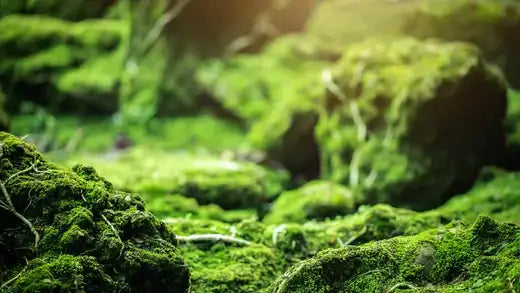
Moss is underrated by most gardeners‚ and it has many benefits․ There are many moss species that thrive in the shade․ It can be a thick‚ soft carpet underfoot as well as a fascinating mosaic of greens of different shades‚ energizing an otherwise shady region․ Moss has many benefits beyond aesthetics: it improves soil‚ and it provides habitat for wildlife․ It is worth knowing how to grow moss․ By promoting the benefits and culture of moss‚ we can experience and appreciate the outdoors in a more meaningful way․ And as gardeners‚ we can appreciate all the more those humbler treasures in the shade that moss brings to our gardens․
One of the best traits of moss is its soil improvement ability․ Other plants tend to need more fertile soils‚ while most mosses can grow in very poor conditions․ The moss creates a humus layer which will eventually add organic matter to the soil․ The relatively slow rate of organic matter decomposition helps improve the soil‚ and the moss also allows other plants to grow in the shade it provides․ The moss is able to help regulate the pH of the soil‚ which can sometimes allow for better growth of other plants․ In a shade garden‚ moss can be used to improve and balance the ecosystem and soil․
Moss Will Retain Moisture for Dry Periods
Another benefit of moss is that it can hold water․ Moss can absorb a large amount of rainwater in shady areas with little water availability and release it in dry periods‚ benefiting both soil moisture and plants․ This also means that moisture is being retained in the soil for other plants in the vicinity and moss improves their chances of survival as well․ It protects them from drought conditions because it actually makes it easier for the other plants in the area to sustain themselves during dry spells as well as during wet spells․ Moss can be easily used to produce a lush landscape in even the driest area of the shade garden․
Mosses help in preventing soil erosion․ In a garden environment‚ wind and rain can wash the fertile top soil layer away‚ moss prevents this in two ways․ It holds tightly to the earth in a thick mat and fully covers the soil surface making it impervious to erosion․ This blanket provides support for the soil and helps to prevent soil erosion‚ and therefore it can be helpful if the moss is being grown on a slope or other surface that will be subject to water runoff erosion․ With this layer of moss‚ you can be assured that your hard work to provide a healthy patch of land will not be weakened․
As well as benefiting the soil‚ moss provides an important habitat for many organisms․ Moss structure provides shelter and food for a variety of organisms including microbes‚ insects‚ and small amphibians․ Moss provides habitat for biodiversity‚ which‚ when properly maintained‚ can provide a natural means of pest control‚ pollination‚ and a more permanent system for the plant community of a garden․ For the gardener interested in biodiversity‚ cultivating conditions conducive to moss growth represents a critical step away from the chemical- and mass-production dependence of conventional horticulture and toward a more natural and sustainable practice․
How Moss Provides Habitats for Wildlife
In addition to helping plants and soil‚ mosses also provide habitats for wildlife․ Birds‚ butterflies‚ and other small mammals are attracted to the shade garden by the dense mats of moss‚ which create a suitable environment for these species and contribute to the garden's overall biodiversity․ Moss plants are their real home‚ and symbiosis is what the moss plants have to offer․ The moss plants are the way in which gardeners can create a more friendly atmosphere for the wildlife in their gardens․ Seeing how wildlife benefits from the garden and then returns the favor that the gardener has done for them can be a most rewarding experience in itself․
In conclusion‚ mosses are a helpful component of the shade garden․ They improve soil characteristics including water holding capacity‚ reduce soil erosion and may provide habitat for wildlife․ The moss will be an excellent contrast against the surrounding plants and landscape and will make a great sustainable addition to any shade garden that will attract wildlife and reduce chemical use․ Consider adding moss as a groundcover for your shade garden․ In addition to growing well‚ moss provides many other benefits to a garden‚ so we can garden with it‚ celebrate it‚ and spare at least some of its unique qualities․


