
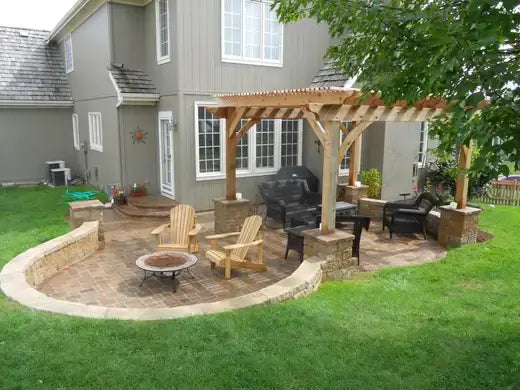
Selecting a patio material is an important decision that contributes to each patio's appearance and defines how each patio serves its intended purpose․ A variety of patio materials are available including natural stone patios and composite materials each with their own advantages and disadvantages․ Homeowners are often faced with many options and considerations when choosing covering materials to meet their expectations of longevity‚ appearance‚ maintenance‚ (resistance to) weather and the elements‚ and environmental impact‚ among others․ These considerations will help you when choosing which patio materials will work best to create a beautiful and functional space that is an extension of your home and unique to your style․
Durability is a very important characteristic of patio materials․ Different types of natural stone are usually the longest-lasting․ Hard natural stones such as granite and slate will not crack or chip in high-traffic areas like other stones may․ Poured and stamped concrete is durable and versatile and can readily last for many years with proper care and maintenance․ However‚ some types of concrete materials have a shorter lifespan․ Some materials resist the effects of the weather better than others; for example‚ decks made of wood can become exposed to rain and snow‚ and lead to material degredation such as wood rot or warping over a period of time․ Care should be taken in selecting the patio surface to meet the climate and expected degree of use․
Aesthetics Of A Patio
Aesthetics is also an important concern‚ as people like to be able to express their personalities with their patios․ Natural stone patios provide an organic feel to the garden or yard because of the variety in colors and shapes․ Brick and pavers‚ in warm colors and varied patterns‚ are often used in customary houses․ Other types of paving‚ such as gloss tiles or stamped concrete‚ are often used in contemporary or modern design; these materials provide a polished look‚ and are less natural in appearance․ Each type of paving gives a different 'feeling' to a house and may be more or less suited to a specific style․ It is also important to consider the aesthetic values of different materials when designing your patio so that it may harmonize with its surroundings․
Maintenance is yet another consideration when selecting your choice of patio material․ For example‚ stone and bricks will require periodic sealing to ensure they do not become stained or gather dirt and grime․ Concrete patios usually need to be pressure washed periodically to remove stains and dirt․ Wooden patios require the most maintenance‚ including sealing to prevent wood rot and staining to prevent fading and cracking of the wood․ Homeowners should be honest with themselves about how much maintenance they are willing to put into whatever surface they pick; some will require a constant cleaning․ A surface that is not realistic for a homeowner's lifestyle is one that will not endure for long․ A low maintenance surface may be the answer․
Weather-Resistant Patios
Weather-resistant is another consideration․ Stone and concrete are often used in cold climates with high snow accumulation winters‚ as they do not have the ability to absorb moisture and change shape with temperature variations‚ making them less likely to chip or crack․ Some products made of natural materials such as clay brick or untreated wood are highly susceptible to cracking or warping in the winter when sufficient stress is applied to them․ In hot climates‚ products such as composite decking products could be found that are either protected from UV or are UV resistant․ Knowing how local weather affects different materials can ensure that your patio lasts through each season to come․
Environmental concerns have led to increased interest in sustainable products․ Recycled materials‚ such as composite decking that consists of recycled plastic and wood‚ are used because they are a good trade-off between durability and sustainability․ More environmentally friendly alternatives to concrete include locally quarried stone or reclaimed wood‚ which can reduce the need to move large amounts of material over long distances․ Permeable paving products have a positive effect on stormwater from hardscapes․ Choosing these materials and taking advantage of the benefits they provide can improve your outdoor space whilst not compromising on either style or durability․
Be Smart About Your Patio
In conclusion‚ choosing the right patio material can considerably shape your space's final aesthetic and functionality․ With considerations like durability‚ design‚ maintenance‚ weather suitability‚ and environmental impact in mind‚ you can create your perfect outdoor sanctuary‚ adding not only value but also an inviting atmosphere to your home․ Whether the paving is made of paving stones‚ bricks‚ tiles‚ natural stone or ceramics‚ the right material for your patio should match the style of your house‚ be pleasant to walk on‚ and suit your personal sense of style․ That way‚ every design choice will give your home character and provide your friends and family with a warm welcome․ You're looking for the perfect patio․ The kind that greets you and the kind where memories are made․


