
Year-round perennial plants maintenance: the do's‚ don'ts and needs
To sum up the care requirements for perennials in the four seasons‚ plant in spring or fall when soil temperatures are moderate‚ water deeply but not so often that you create soggy conditions‚ feed lightly just once a year‚ and cover the crowns in winter․ Beyond that‚ most perennials will come back reliably for five to 10 years or more with very little fuss․ In Tennessee‚ which has hot‚ humid summers and hard freezes in winter‚ timing is more critical for gardeners than in many climates․
Spring: Wake-Up Season
As soon as the soil gets to about 50 degrees (usually late March in Middle Tennessee; a little earlier in Memphis‚ a little later up in the higher elevations of East Tennessee)‚ perennials are starting to push growth‚ so it's a good time to dig and divide hostas‚ daylilies‚ or coneflowers whose clumps are overcrowded‚ but before they leaf out and‚ too late‚ bloom․
When you fertilize for spring blooms‚ use a light hand․ A single feeding of a low-nitrogen‚ high-phosphorus fertilizer (like a 5-10-10 or so) gives you great roots and glorious blooms‚ without all that leggy‚ floppy growth that too much fertilizer can produce․ Perennials flopping over by midsummer often suffer from high-nitrogen lawn fertilizer run-off; avoid this by placing beds away from lawns․
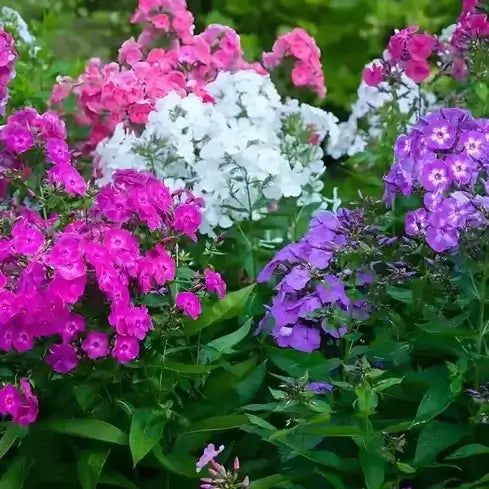
Stake peonies‚ delphiniums‚ and other tall phlox now‚ while the stems are still short and pliable․ Drive a stake a few inches from the plant's base and let the plant grow up through it․ To stake a plant that already stands three feet tall‚ means dealing with brittle stems that may snap easily․
Summer: Maintenance Mode
Since Tennessee summers become hot and humid quickly‚ perennials have an especially tough time․ Water deeply once or twice a week․ Shallow watering causes a shallow root zone․ Frequent light watering (daily or every other day) keeps the roots near the surface‚ where they dry out quickly in the heat of the day․ Please water at the ground level․ Leaf-wetting plus 90-degree humidity adds up to powdery mildew and other fungal problems‚ particularly for bee balm‚ phlox and coneflower․
Your main job is deadheading Coreopsis‚ Veronica, and Phlox‚ cutting off the spent flowers before they set seed‚ to encourage the plant to produce more flowers․ Some hybrids‚ like the reblooming Delphinium‚ will produce a secondary flush of color in late summer if deadheaded through the month of July․
In the heat of summer‚ spread a 2- to 3-inch layer of mulch around your plantings․ This holds moisture in the soil‚ conserves water‚ and reduces the task of watering․ It also prevents weeds from competing for moisture and nutrients with your perennials․ Both shredded bark and straw mulch work well‚ but make sure to apply no more than 2 inches of mulch around the base of perennial plant stems; too much can promote rotting․
Fall: The Second Planting Season
Most gardeners assume that the best time for planting most perennials is spring‚ but fall‚ between about September and mid-October in much of Tennessee‚ is really better․ The soil is warm from summer but the cooler air does not put as much stress on the plants․ Plus‚ they then have a full season to establish themselves before blooming․ If you are planting new perennials in your beds this year‚ fall planting from TN Nursery gives them a jump-start before freezing temperatures force them dormant․
Continue watering all the way through fall until you're hit with that first hard freeze․ While established perennials can go without water for a while‚ new transplant roots are still shallow and will become drier more quickly than you'd expect‚ even in cooler temperatures․
This is also the time to divide overcrowded perennials‚ such as hostas‚ daylilies‚ and Siberian iris․ Remove the foliage from spreads that are completely done blooming․ If you want to feed birds through the winter‚ leave the seed heads of coneflower and black-eyed Susan․
Winter: Protecting the Roots
While winter temperatures are milder in Tennessee as compared to the northern parts of the country‚ winter temperatures in Tennessee can be severe enough to result in hard freezes․ Freeze-thaw cycles are far more damaging to perennials than is severe cold‚ and a thawed plant can very easily be heaved right out of the ground after the freeze-thaw-freeze cycle occurs several times․ Exposed roots can freeze․
The secret is to apply a 3- to 6-inch layer of shredded leaves‚ straw or compost only after the first frost․ Mulching too early can keep the heat close to the plant‚ causing it to rot or to sprout too soon after a January thaw․ Early mulching can also encourage plant rot․ Tender perennials can be overwintered in pots by wrapping with burlap or bubble wrap and grouping them by the wall of a house for extra insulation․
When you are clearly past the last frost date in the spring (mid-April in most of the state‚ but early April in the west)‚ pull back that mulch and compost it․ If you leave it on too long into the spring season‚ seedlings will have a difficult time pushing through it to break the soil surface․
A Few Standout Perennials Worth Growing
If you're planting a perennial bed that needs little maintenance once established‚ a few others worth mentioning include the Blackberry Lily‚ which isn't really a lily but rather an irid‚ and has swordlike foliage and orange speckled flowers in summer․ The plant's name derives from the large clusters of glossy black seeds that appear in autumn․ It is tough and drought-resistant‚ and is better able than most perennials to survive in Tennessee's heavy clay soil․
Blue Vervain would be ideal for a wet area of your yard where nothing else will grow․ Native to most areas of the eastern United States‚ it enjoys having wet soil without rotting․ It has tall stalks of small purple flowers that are extremely attractive to pollinators‚ especially bees․
Both of these plants‚ as well as most of the above perennials‚ can be ordered from TN Nursery‚ and delivered at the right time for your area so that you won't have to guess when to plant in the fall‚ or in the spring․
The Bottom Line
Caring for perennial plants is not difficult and largely seasonal: Feed in the spring‚ deeply water and deadhead in the summer‚ plant and divide in the fall‚ and mulch in the winter․ With just a little planning and a little care‚ most perennials will provide years of beautiful color with a fraction of the work of annuals․
"

