
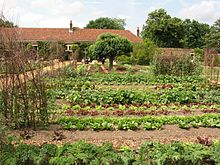
The Many Rewards of Vegetable Gardening
In a world that seems to move faster every instant‚ there are few things more calming than growing a vegetable garden․ Good gardening can provide priceless rewards that can lower our stress levels and improve our lives both physically and emotionally․ With countless physical and mental health benefits to be had‚ a vegetable garden encourages us to slow down‚ reconnect with nature‚ and benefit from all nature has to offer․ And in a modern world where convenience culture has become the mantra‚ the vegetable garden proudly remains a bastion of sustenance and satisfaction․
By growing our own vegetables we are often able to get fresher and tastier options than what can be bought on the shelf․ On top of this‚ it has been shown that home-grown produce has more vitamins‚ minerals and other nutrients than the supermarket equivalent․ Picking a ripe tomato off the vine or taking a few fresh leaves of spinach or lettuce pulls our food from the garden and closer to our plate․ Through growing‚ tending‚ and harvesting food‚ we discover how to eat healthy and fill our plates with a rainbow of colors‚ tastes and textures․ Moreover‚ the act of gardening‚ including digging‚ planting‚ weeding and harvesting can be good exercise without doing formalized exercise with associated benefits for health․
How Home Gardens Benefit the Environment
Further‚ home gardening is good for the environment‚ as growing a home vegetable garden means a reduced dependence on the industrial agricultural system which creates pollution and greenhouse gases due to transportation and mass production utilized by farms and the food processing industry․ Gardening improves local sustainable growing․ It can help us reduce our carbon footprint and reconnect with the natural cycles of our environment․ Having a vegetable garden can foster biodiversity․ A diverse range of plants in your garden helps support pollinators like butterflies and bees‚ and other helpful insects that flourish in varied environments․ This contribution‚ though small‚ will make the world a better place for all living things․
Sustainability and preservation of biodiversity are key factors in growing vegetables at home․ Cultivating heirloom or native varieties of vegetables can help to protect these plants from extinction․ Moreover‚ heirloom varieties help to maintain genetic diversity and variability that are essential for resilience in agricultural and natural ecosystems․ Moreover‚ they are often better adapted to local climatic conditions‚ more resource-use efficient‚ and require less chemical input (agrochemicals)․ Practicing this type of hybrid agriculture helps bring food sovereignty and it aids consciousness about food production and consumption․ Not only do we grow an abundance of plants‚ but we also learn about the various sustainable ways we can feed ourselves and how we can apply that knowledge to the world food system․
Children Can Learn About the Environment Through Gardening
Furthermore‚ gardening can be a helpful teaching tool to children‚ whereby children are taught about the environment in which they live․ Children involved in gardening learn about plants and their life cycles as well as soil health‚ ecosystems‚ and food production through hands-on experiences that make the learning process more engaging than customary instruction․ Not only does this interactive approach impart a sense of responsibility‚ but also helps children develop a lifelong love and respect for nature as they plant their seeds‚ water their seedlings‚ and be rewarded with the sight of their hard work and patience manifesting into a life form․ In fact‚ it becomes a fond memory‚ one that leaves a mark of curiosity and teaches values that extend beyond the garden․
Therapeutic effects: Gardening can be used as therapy․ The repetitive and rhythmic action of weeding or planting crops can have a calming effect on the gardener while research has recorded anecdotal evidence of its effectiveness․ For therapeutic gardening‚ this may include the obvious things like harvest and weeding․ Studies have shown consistently that time in the garden can reduce stress‚ anxiety‚ and depression‚ while increasing the feelings of well-being and happiness․ Gardening can help people to detach from the daily grind and to practice mindfulness․ It can be a meditative experience that provides an escape from the needs of modern life․ It can be grounding and can provide a feeling of purpose and calm․
The benefits of a vegetable garden‚ though‚ go beyond the intrinsic value of homegrown produce alone․ The mental health benefits‚ as well as the increase in biodiversity and reduction of food waste‚ also put vegetable gardens far past being just an effective way of getting into healthy living habits․ The educational side of the activity often gives children a lifelong love and respect for the Earth‚ while the therapeutic side offers a distraction from life's problems and troubles․ Gardening‚ preparing the soil‚ sowing and planting‚ growing plants and vegetables‚ harvesting and eating them all contribute both to our own and the planet's healing․ Our own vegetable garden can become a tool that we can use to learn‚ to connect with ourselves‚ our families‚ and also with our environment․


