
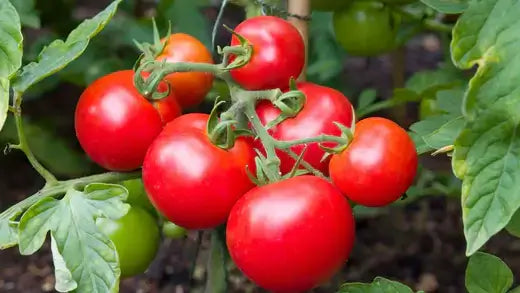
Growing tomatoes is a good experience․ It gives you life experience about growing things‚ and you get to eat the product․ You get to learn about growing things‚ and you get to enjoy growing things‚ because the tomato plant is very adaptable and can grow in many kinds of environments․ Tomatoes can be planted in a great expanse of garden‚ or in small pots on a balcony․ However‚ tomatoes‚ no matter where they are grown‚ require knowledge and planning․ Knowing how to encourage plant growth‚ what nutrients to include in the soil‚ and how to harvest will all contribute to growing tomatoes․ As we begin this journey and discover the world of tomatoes‚ it is important to start with some overarching themes․
Planting
If tomato production is to be optimized‚ it is important to determine the best place for tomato plants to grow․ Tomatoes develop the best in full sun and prefer day-time temperatures between 70 and 85 degrees Fahrenheit (21 and 29 degrees Celsius)․ They will thrive when ideally placed with a six to eight hours a day of sunshine‚ making a south-facing garden preferable․ They will also be best protected from high winds and frost‚ as either can damage and stress the plants‚ and could prevent them from bearing fruit․ In addition to the temperature‚ good soil is essential in growing the tomato․ Soil should have good drainage‚ should contain a high level of organic matter‚ and should allow roots to spread out to absorb nutrients․ A balanced soil pH of about 6․0 to 6․8 is the best range for growing tomatoes․
An important aspect of caring for a tomato plant is maintaining a proper nutrient supply‚ as tomatoes require a variety of nutrients․ Nitrogen‚ phosphorus and potassium are essential nutrients for plant growth and are known as the major plant nutrients․ Nitrogen is needed for leaf growth‚ the most important section of plant for photosynthesis․ Potassium is important to the tomato and is required to produce mature‚ sweet fruit․ Secondary nutrients such as calcium and magnesium will also improve fruit quality and increase growth when added to the primary nutrients․ Instead‚ many gardeners prefer to use organic fertilizers or compost in their gardens‚ as they break down over time‚ providing a more natural and balanced environment․
Watering
When to water tomatoes and how to water tomatoes also play an important role․ The soil should be moist but not soggy‚ as tomatoes prefer a consistent level of moisture․ When days are hot‚ a deep or thorough soaking once or twice a week can assist the plant in absorbing water at the roots․ Avoiding foliage saturation and watering the root zone‚ for example using drip irrigation‚ particularly when the watering is done late in the day‚ may help avoid disease․ Other visual indicators can help growers determine if their plants need watering․ For example‚ wilting and curling leaves might indicate water stress while yellowing leaves might indicate over-watering․ Proper watering is important for optimal fruit production and avoiding blossom end rot․
Depending on the varieties planted‚ plant spacing (also important in tomato growing) not only eases tending the plants‚ but also allows air circulation‚ which helps control any potential fungal infection on the plants․ In a standard bed‚ expect to see determinate tomatoes (small‚ bushy plants that grow to a certain height) about 18 to 24 inches (460 to 610 mm) apart‚ or indeterminate tomatoes (vines that can grow throughout the whole season) about 36 inches (91 cm) apart (or more‚ depending on the technique used)‚ to allow each plant's leaves and flowers adequate room and exposure to light to grow‚ and to allow for ease of harvesting and pruning․ Applying a layer of mulch around the base of each plant will help to control moisture․
Crop Rotation
Crop rotation is not regularly used in tomatoes‚ but it is helpful as it will break the life cycles of soil-borne insects and diseases‚ and can increase the yield and quality of the soil․ It is a practice of planting crops in different areas from one season to the next to prevent soil-borne insect and disease build-up․ Other examples include growing legumes or root vegetables after harvesting tomatoes to replace nutrients and increase the biodiversity in the topsoil․ Crop rotation can help provide balance of nutrients and avoid depletion․ As the gardener's knowledge of their garden and requirements of plants in each family grows‚ they can expect their tomatoes to become better‚ with more vigor‚ improved fruit quality and quantity‚ pest resistance and flavor․
In conclusion‚ if you are growing tomato plants‚ make sure that you are getting the right conditions‚ giving the right amount of nutrients‚ watering them correctly‚ spacing them properly‚ and leaving them at the right temperature in order to get the best results and get a bunch of tomatoes․ Crop rotation is a good method of preventing pest and disease problems‚ and helps to maintain the soil quality․ Practicing such horticulture the more one will cultivate the plant and appreciate the marvelous cycle of nature․ Whether as a fresh salad‚ luscious sauce‚ or simple snack straight from the patch‚ the rewards of growing tomatoes are worth the effort and can provide priceless understanding into the workings of nature‚ if you can manage the crop rotation!


