
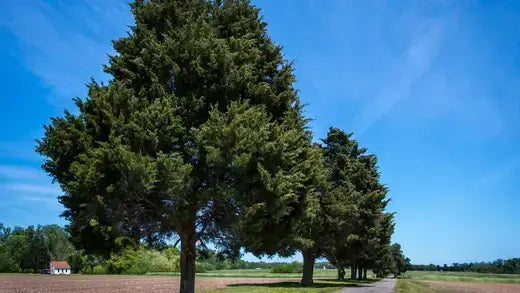
Sustainability of Red Cedar Forests
In the garden and in the field‚ few trees can equal the beauty and the endurance of the red cedar․ This is the Thuja plicata‚ a tree of great majesty‚ which forms a prominent and characteristic part of the forests of the Pacific Northwest region of North America․ The red cedar tree is identifiable by its reddish-brown bark and aromatic wood; it is also strikingly beautiful․ As a tree it is strongly associated with strength‚ provides nesting and other habitat‚ and contributes to local economies as timber․ It is widely revered and to understand the many layers of the red cedar‚ it is important to understand the role of this tree in our ecosystems‚ communities and spirituality․
It also provides habitat for many animals: the numerous leaves of the cedar canopies provide shelter and nesting sites for birds․ This great height allows smaller mammals and birds such as squirrels to find food and shelter and enables insects large enough to feed on the wood to obtain nutrients from the tree‚ as insects that feed on other insects‚ and the animals further up the food chain form a stable ecosystem․ Cedar forests help not only the animals that live in them‚ but also the soil and other biomes․ The roots of the red cedar trees keep the soil from eroding․ To aid the soil as well‚ the leaves of fallen red cedar trees are nutrient-rich and form a habitat for many organisms․ The trees are important for the balance of the ecosystem in the forest as well․
Economic Value of Red Cedar
From a commercial standpoint‚ red cedar is a highly prized‚ durable wood․ Its rot and decay resistant properties‚ along with its signature fragrance‚ make it a popular choice in the construction of decks‚ fences‚ furniture‚ and various ornamental applications for boats‚ chests‚ and boxes․ The wood was often used in the fishing industry for boat building․ Cedar has contributed to the livelihoods of people and continues to be harvested․ It offers rural employment‚ particularly in areas with few economic opportunities‚ and supports the local economy where the trees are harvested sustainably․ The economic benefits from these uses must be balanced against conservation efforts‚ as overharvesting may lead to declines in the tree and its ecosystem․
One of the most important topics surrounding red cedar forests nowadays is sustainability․ Sustainable forestry practices are crucially important in the context of environmental issues‚ because they can help the cedar trees to continue to be harvested for generations to come while still protect the ecosystem․ The replanting and maintenance of the cedar forests hold a wealth of benefits‚ including biodiversity and the protection of wildlife habitats‚ as well as helping in maintaining or restoring the aesthetic beauty of this valuable part of our landscape․ Ultimately‚ properly managed red cedar resources can serve as both resource and refuge․
In addition to these environmental uses‚ many Indigenous peoples consider the cedar tree a sacred being‚ a giver of strength and a source of life․ Indigenous peoples view cedar as a symbol of interconnectedness and respect for the natural world: canoes‚ ceremonial masks‚ art‚ and tools used by many of the peoples who live along the west coast of North America are derived from cedar‚ and are imbued with cultural meaning․ The relationship between cedar and human is also an affirmation of respect for nature and the role trees play in spiritual reflection‚ traditions‚ and identity․
Symbolism of Red Cedar Trees
The red cedar is not only a utilitarian tool‚ but also one of the most important symbols in the lives of many Indigenous people‚ as in many cases the tree of life is the red cedar and represents the connection between earth and the people who inhabit it․ Many ceremonies‚ rituals and stories relating to the cedar highlight how the cedar symbolizes growth‚ unity and renewal․ Art forms constructed from cedar‚ such as baskets and totem poles‚ are a means to transmit cultural knowledge and identity‚ a sense of belonging and connection‚ from one generation to the next‚ connecting to the heritage‚ resilience‚ and knowledge of nature․
In closing‚ the red cedar is a multi-faceted being that improves our lives in countless ways․ As a habitat for wildlife‚ a source of economic opportunity‚ a symbol of sustainability‚ and a pillar of cultural heritage‚ this extraordinary tree deserves our admiration and protection․ Thus‚ wherever your journeys may take you‚ remember the roots of the red cedar․ It connects you to the land and to each other․ It teaches us balance‚ respect‚ and the importance of living in harmony with the world that sustains us all․ By nurturing our relationship with this extraordinary tree we can cultivate an earthly tomorrow that promotes harmony between nature and humanity․


