
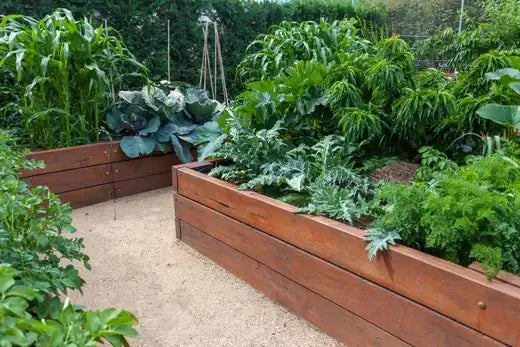
Raised Garden Beds: What They Really Do for Your Soil‚ Your Back‚ and Your Harvest
Raised beds help address three problems: poor native soil‚ drainage and the backache associated with bending to the ground․ Poor drainage or very dense clay soil are common problems in Tennessee‚ where clay soil turns to rock when dry and turns to muck when wet․ In many parts of the state‚ building up instead of digging down often makes the difference between success and failure․ This is what raised beds truly change‚ and how to do it properly for our area․
What The Soil Problem Raised Beds Solve
Soils of Middle and East Tennessee are heavy in clay‚ do not drain well‚ and compact under foot traffic or rain․ Soils in West Tennessee are more varied‚ but in many gardens the subsoil was scraped and just left in place during construction․ Rather than take years to amend native ground‚ in a raised bed you can‚ from day one‚ begin with what is basically topsoil‚ compost‚ and aged manure: a loose‚ nutrient-rich growing medium․
This is especially true of root vegetables that are sensitive to compaction; carrots‚ potatoes‚ and garlic can push through raised beds far better than Tennessee clay․ Tomatoes and peppers‚ which hate wet feet‚ benefit greatly from improved drainage․
Drainage: Why It Matters More Here Than People Think
Rainfall in Tennessee averages 50 inches (125 cm) per year‚ with heavy rains in spring․ In gardens with clay soil on the surface‚ water may be present for several days‚ suffocating the plant roots and promoting fungal disease such as damping-off and root rot․ But raising the bed height as little as 8 to 12 in (200 to 300 mm) will drain excess water in hours rather than days․
That said‚ drainage cuts both ways․ Raised beds will also dry out faster in the heat of July and August than soil in the ground‚ so you may be watering every day or every other day in high summer rather than twice a week․ A layer of mulch‚ such as two to three inches of straw or shredded bark‚ will help to prevent evaporation and keep the temperature of the roots even․
Weed Control That Actually Works
Weeding a raised bed takes far less effort than weeding a plot of soil at ground level․ This is because you are weeding fill soil that does not contain weed seeds‚ rather than native ground that might contain dormant seeds waiting to sprout․ Second‚ if windblown seeds still land in your new bed‚ the loose soil makes it possible to pull the weeds out by the roots‚ rather than breaking them off at the soil surface in the clay․
When building a bed on top of an existing lawn‚ landscape fabric or multiple sheets of cardboard placed on the bottom may be the best way to stop grass and weeds from growing up into the bed․
Building the Right Height and Timeline
Most raised beds are 8 to 12 inches (20 to 30 cm) deep‚ which is sufficient for lettuce‚ herbs‚ and most annual crops․ Some crops‚ such as carrots‚ or beds designed for wheelchair or other seated or restricted mobility gardeners‚ may be 18 to 24 inches deep․ Cedar and untreated pine are considered the standard building materials because they resist rotting for 8 to 10 years without leaching chemicals into the ground like older treated lumber does․
Also‚ you have a bed ready to plant in one day; if you amend your soil the customary way, it takes weeks‚ if not months‚ for the amendments to integrate with the soil․ It's an underrated advantage․ You can make a bed in April and plant your tomatoes the same weekend․
Extending Tennessee's Growing Season
Raised bed soil temperature is 1 to 2 weeks warmer in the spring than surrounding ground beds․ This occurs as raised bed soil is at higher elevations and has a lower soil density than ground-level beds‚ thus warming faster․ In Tennessee's Zone 6b to 7b climate‚ it allows for the cold-tolerant vegetables of spinach‚ peas‚ and lettuce to be seeded early in March rather than in April․
The same thing works in reverse come fall․ Hooping up a raised bed with a simple cover or a row cover of frost cloth can extend your greens and brassicas into November‚ as the raised bed will keep its soil warmer longer than plantings at ground level․
The Physical Side Nobody Talks Enough About
To create a 24-inch high bed means no more kneeling and no more bending over to weed and harvest․ If you have knee or back problems this is the only reason you need to build a raised bed․ It democratizes gardening for people who don't want to kneel in the dirt for an hour planting‚ who can harvest a bed of lettuce or a patch of herbs in a few minutes standing up․
Pest Considerations
Raised beds have some advantages for pests‚ for example‚ ground-based pests like slugs cannot climb above 12 inches (30 cm) and reach plants․ Rabbits find it at least slightly more difficult to access a raised bed than one on the ground․ But deer‚ squirrels‚ and flying insects are not deterred by raised beds․ Wire mesh stapled to the bottom of the frame will prevent moles and voles from tunneling up into the garden bed‚ something that plagues many yards in Tennessee․
Getting Plants Established
Once the bed is complete and filled in‚ what you put in it is just as important․ That's why all of TN Nursery's perennial and edible plants are started and grown in a similar loose‚ well-drained planting material for quick establishment․ Raised beds are well suited to growing strawberries‚ herbs or borders of native perennials which require permanent drainage․ Strawberries are prone to rot in wet heavy soils‚ and prefer the free draining soils of a raised bed․
A Few Things Worth Knowing Before You Build
Raised beds are costlier than conventional beds because you are buying or constructing a box to fill with a good growing medium․ A bed 4 ft (1․2 m) by 8 ft (2․4 m) and 1 ft (0․30 m) deep requires about a half cubic yard of mix․ Such a mix will cost $40-$80‚ depending on the mix and whether it is bagged or provided in bulk․
Above-ground beds may require a little more watering and soil replenishment‚ as organic matter will settle a few inches every year․ A one- to two-inch layer of compost is often added to the top of the bed each spring‚ which keeps the soil level and fertile without entirely refilling the bed․
The biggest benefit remains a controlled‚ well-drained space that works with the Tennessee soil and climate‚ rather than against it․
"

