
The Vital Role of Rain for Plants
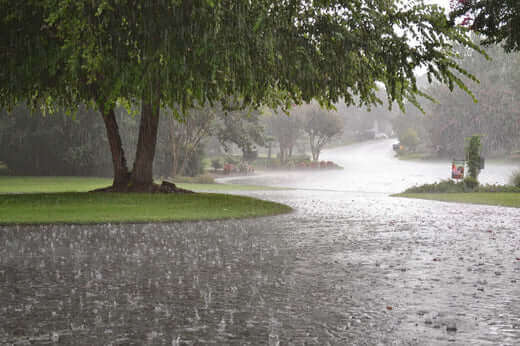
Rain is one of nature's best and most important gifts for the life and growth of plants on earth․ When rain drops fall from the sky‚ it carries the promise of good rains and prosperity for sustaining plant life․ But rain is not simply a weather indicator to a plant․ It is not just an event that has passed; it is the essence of life․ From the first drop that rests on a vivid green leaf or soaks into the dark earth‚ rain creates entire terrains and supports detailed webs of life․ This essay will seek to explore the different roles that rain plays in the lives of plants‚ its impact on biodiversity and the reasons as to why it is so important․
Rain also supplies water to the thirsty vegetation․ Water is observed to be necessary to life for the green plants of the earth‚ because they are necessary to maintain the atmosphere‚ in that they absorb carbon dioxide and emit oxygen․ Rain adds water to the rivers and the lakes‚ and the soil‚ sustaining the water cycle and many land ecosystems․ The roots of the trees and shrubs help to hold the soil and water․ The plants use this water to grow‚ this has a stabilizing effect on this ecosystem․ The rain allows the plants to grow which in turn provides food and shelter for the animals which then live in the forest and grassland part of the ecosystem․
In conjunction with change in climate and weather patterns occurring on a global scale‚ drought poses threats to plant productivity in many ecosystems․ Drought stress can have debilitating impacts on plant processes such as photosynthesis‚ growth and development‚ with death also being a possibility in extreme cases․ When there is less rain‚ some plants may withstand the lack of water by reducing their leaf area‚ or develop deeply penetrating roots to reach moisture deep underground․ Although many plants are resilient‚ and surviving members of the same plant species may endure periods of drought‚ severe droughts can kill off the members of a given species‚ threatening the survival of animals that rely on them for food or cover․
Soil Moisture Retention Techniques
Where water is scarce‚ soil moisture retention becomes a priority․ In gardens and crop fields‚ soil moisture can be retained by soil moisture retention techniques‚ such as the application of mulch to protect the soil surface and reduce evaporation‚ and the use of cover crops for soil conservation․ By doing this‚ when the rain does come the soil is capable of holding more of it‚ and the plant's roots can extend throughout the soil and drink deeply‚ creating a more sustainable future for our environment and a better world for botanists and farmers alike․ In this way‚ the interconnectedness of rainfall and soil health is apparent‚ whereby healthy plants and soils foster each other‚ creating a healthy landscape as a whole․
While this might be surprising to hear‚ the level of precipitation the area experiences can be a limiting factor in the various forms of life or biodiversity in the habitat․ This is how plants in rainforests adapted to the humidity levels they get․ On the other hand‚ in conditions where less rain falls‚ such as in deserts‚ species have adapted to the harsh conditions in numerous ways․ The result of these adaptations has been the creation of a more biodiverse and resilient planet․ Rainy seasons are distinct at certain times of the year as seasons repeatedly occur in a certain pattern‚ so that plants and life forms have evolved to follow this pattern‚ repeating in a cycle․
Why Photosynthesis is Important
Photosynthesis‚ the process by which a plant takes energy from sunshine and uses it to convert carbon dioxide in the air and water falling as rain into glucose and oxygen‚ is at the base of plant life and the food chains which depend on them․ It is already obvious how important rain is․ One miracle is that things can get their energy from the sun‚ that plants photosynthesize and grow‚ and that those who eat them‚ the herbivores‚ can get energy from them‚ so that the carnivores can be fed․ Like the rain that falls‚ energy passes through the whole life chain․ This process represents the rhythm of life itself‚ for rain is not simply a meteorological phenomenon‚ but rather it is the engine that drives life on earth․
In conclusion‚ we can see that rain plays an important and vital role for plants and all the ecosystems that rely upon them for survival․ Understanding how important water is for plants and how important we are in keeping the natural balance in the world is something we should all be aware of․ By protecting ecosystems from pollution and unsustainable practices‚ and by adopting water-efficient agricultural practices‚ we can ensure that plant life continues to flourish in the rain's embrace․ In our interconnected world‚ rain is a symbol of hope‚ life‚ and resilience‚ as well as a reminder of the beauty and fragility of the ecosystems we belong to and depend on․ If the landscapes and relationships they contain are adopted and tended‚ it is our hope that the future will be a one in which life flourishes with the rains․


