
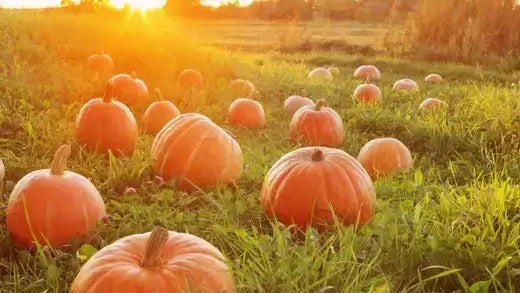
Pumpkins as Fall Décor: The Complete Guide to Choosing‚ Displaying‚ and Preserving Them"
It's a three-part process in getting a decorative pumpkin to look like its very best: getting the right pumpkin for the job‚ knowing how long it will last outdoors‚ and knowing tricks that help it last past Halloween․ In Tennessee‚ which is in Zone 6b/7a and has warm days and cool nights right through Thanksgiving‚ pumpkins can look fine and last well from late September right through Thanksgiving with proper care․
Why Pumpkins Still Rule Autumn Decorating
The pumpkin's association with autumn is hardly incidental․ Pumpkins are native to North America‚ where they have been grown‚ domesticated‚ and used as a food and ceremonial plant by Indigenous peoples long before European contact․ It was adopted by settlers for harvest festivals‚ and found its way on to the Thanksgiving table‚ and in the Irish legend of the "Stingy Jack"‚ it became the jack-o'-lantern of Halloween․
That history matters for the practical reason that pumpkins have always been a working crop‚ not simply a decorative one․ Pumpkins are tough and hearty‚ and they have been gradually bred to survive weeks without water and longer without spoiling․ That is why they can sit on your porch step today․
Choosing the correct pumpkin for the job
Not all pumpkins are created equal‚ and one may be disappointed in a pumpkin chosen solely based on appearance․
The best pumpkins for carving pumpkins‚ such as Connecticut Field and Howden‚ have thinner walls‚ a softer skin‚ and weigh 15-25 pounds; they are soft enough for most carvers to handle without being too fragile․
If you will be painting them or leaving them whole‚ use pie pumpkins and Cinderella pumpkins‚ or the ever-widening white "Lumina" variety․ These have tougher skins that do not crack as easily as carving pumpkins․ Plus‚ they will last longer․
When stacking or clustering pumpkins to create a display such as a "Baby Boo"‚ small white pumpkin‚ a mid-size orange pumpkin‚ warty heirloom Galeux d'Eysines pumpkins are more interesting and eye-catching stacked/clustered together‚ than a pile of same size pumpkins in a row․ TN Nursery offers decorative fall pumpkins and plants such as ornamental kale‚ mums‚ and asters that can be creatively combined with pumpkins stacking or clustering in your porch displays․
How Long Do Pumpkins Actually Last?
This is the question that most fall decorating guides leave out‚ and the one that matters most․
In Tennessee‚ an uncut pumpkin will last 8 to 12 weeks if the days are in the 60s and 70s and the nights in the 50s and 40s․ Once the pumpkin is carved‚ the timeline shortens fast․ Jack-o'-lanterns left outdoors in Tennessee for 5 to 7 days are often droopy‚ moldy‚ or collapsed within 14 days due to the humidity․
A few things can shorten the pumpkin's lifespan․ - Direct prolonged sunlight (speeds up dehydration and softening) - Sitting directly on damp soil or mulch (invites rot from the bottom up) - Any bruise‚ soft spot‚ or crack at purchase time - Days above 75°F are common for the first half of September
How to Preserve Carved Pumpkins
To preserve a jack-o'-lantern for a longer time‚ a bleach solution may be used and is found to be more effective than most commercial "pumpkin spray"․ Mix 1 tablespoon (15 ml) of bleach with 1 quart (1 L) of water and spray the cut surfaces or soak the carved pumpkin in the solution for a few minutes․ This kills the mold spores that would cause collapse․
Rub all the cut surfaces‚ including the lid over the eyes and mouth‚ with petroleum jelly to help slow moisture loss and prevent the edges from shriveling‚ repeating every few days if the pumpkin is outdoors in sunlight․
If you can fit the carved pumpkin in the refrigerator overnight‚ it will last for several days; refrigeration slows decay considerably․ Serious carvers will soak their pumpkin in an ice water bath for a few hours before displaying them․
However‚ if you desire your pumpkin to last‚ never use a real candle‚ as the fruit will rot from the inside out due to heat․ A LED tea light will illuminate without actually cooking the flesh of the pumpkin․
Designing With Pumpkins Beyond the Front Steps
While the porch-step trio still exists‚ there's more room for experimentation nowadays․
Hollowed pumpkins make one of the best and most charming autumn table decorations: cut off the top‚ remove seeds and membranes‚ insert a plastic liner or mason jar‚ add water and‚ when in season‚ cut flowers․ After a mum‚ dahlia‚ ornamental grass‚ or other flower is placed in the pumpkin‚ it generally lasts an extra two to three weeks compared to a pumpkin that has not been used for display‚ as it helps preserve the insides of the pumpkin․
Stacked pumpkins or pumpkin "totems" (three or four pumpkins from large to small stacked with a dowel through the center) can be used as an entryway topiary․
Painted pumpkins avoid the rotting problem almost entirely‚ since there is no exposed flesh to rot; chalk or acrylic craft paint works on the harder varieties mentioned above․ A matte spray sealant then coats the design to help it survive light rain․
Mixed plantings are where a lot of Tennessee gardeners get more mileage out of their pumpkin displays․ Tuck a few small pumpkins in among the ornamental cabbage‚ dark-leaved coral bells or dwarf aster‚ and you've got a display that keeps evolving as the season goes along rather than one that is set in stone from October 1st until it collapses․
Tennessee-specific notes:
In Middle Tennessee‚ for example‚ the first hard frost of fall does not typically occur until mid-October to late October (later still in the far western portion of the state)‚ giving pumpkins bought in late September a long weather window․ Since humidity rather than cold will rot a pumpkin‚ the pumpkin should be stored on a stand‚ in a crate‚ or on top of a folded towel rather than flat on concrete or mulch․
Pumpkins from seed must be planted before early June to reach pumpkin maturity by late September․ Raising mounds of soil to plant pumpkin seeds and adding large amounts of compost have improved Tennessee's clay soil for planting pumpkin crops․ Proper drainage is the single biggest factor in preventing rot either on the vine or post-harvest․


