
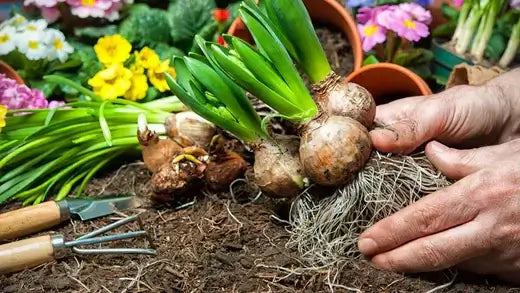
Planting bulbs brings a cavalcade of color and perfume to your garden․ Imagine stepping out of the backdoor to find your back garden filled with colorful‚ fragrant tulips‚ cheerful daffodils and elegant fragrant lilies and the fragrance of spring in the air․ A beautiful display of flowers in bloom starts with knowledge of these underground beauties․ The process of achieving a successful display of flowers begins with the selection of the bulbs to plant and includes knowing how to prepare the soil properly‚ knowing the water needs of the bulbs and knowing about the nutrients needed for flowering․ Every stage of this process contributes to the health of the plants as well as the beauty of the garden‚ and gardeners should be aware of it․
Watering
It is a good idea to plant bulbs in soil that drains well‚ because they will rot if there is soil on top or around them that remains wet after rain or watering for any length of time․ This can be helped by adding organic matter‚ such as compost or well-rotted manure‚ to the soil‚ which will also add nutrients․ Check that the site gets good exposure to the sun (approximately six hours or more per day) before you dig․ If you plan to supplement the soil‚ you may want to conduct a soil test to determine the pH and nutrient level․ You'll also want to break up any clumps of dirt and remove any rocks․ This will give the roots room to grow․ With your chosen spot all prepped‚ you're one step closer to having a place for your bulbs to sprout and flourish․
The most important thing after that is watering the bulbs in order to help them to root properly․ Water gently right after you plant your bulbs until the ground is completely moist where the bulbs are planted․ The first watering is especially useful‚ as it helps settle the soil around the bulb and leaves no air pockets‚ providing for faster germination․ In general‚ the soil should be kept moist‚ but not soggy; a good rule of thumb is that if the top inch of soil is dry‚ then a drink is needed․ These trees need their proper amount of rainfall to thrive‚ with some places receiving enough naturally and others needing supplemented water․ As water needs are the highest in the first six weeks of life‚ this is when the plant's roots begin to reach deep into the soil to support the growth of the rest of the plant above ground․
Fertilizer
Once your bulbs are established‚ flowering bulbs will need to be fertilized to provide a sufficient nutrient supply for healthy development․ Bulbs are like any other plant and need a balanced diet․ Fertilizing using a slow-release fertilizer while planting gives them a fantastic head start․ Using a fertilizer that is high in phosphorus will help to establish a more wide-ranging root system․ After the first application‚ bulbs can also be fed with organic matter or bulb fertilizer throughout the growing season since too much fertilizer can encourage excessive leaf growth and not enough flowering․ Each specific type of bulb may have slightly different fertilization requirements‚ so check the back of the bulb package for the exact needs․ By taking care of the fertilization needs of your bulbs‚ you will be rewarded with a lush green growth and blooms․
Choosing the right bulbs is one of the biggest decorating decisions you'll ever make‚ and the types of bulbs you choose will largely determine the garden's overall appearance․ Not all bulbs are suitable for all climate and soil conditions․ Some plants‚ such as tulips‚ like the cold‚ while others prefer the heat‚ such as dahlias‚ before being planted․ They should be firm and not soft or moldy when buying the bulbs․ There is great variation‚ so it is worth researching the flowering times of compatible flowers․ For example‚ combining early bloomers such as crocuses with late bloomers can extend the flowering period in the garden․ It may also be useful to ensure that your chosen cultivars vary in height and color‚ to ensure a garden design that flows through the seasons and provides an element of surprise at different points throughout the year․
Maintenance
Taking care of bulbs through the seasons means they can flower well year after year․ For example‚ leave the leaves after flowering until they turn yellow․ The photosynthetic leaves are retained to create food stores to support growth of next season's flowers‚ and cutting back the foliage too early can rob the bulb of nutrients for flowering the following year․ In cooler climates applying a layer of mulch over the bulbs may help insulate them against frost and freezing and also control weeds while retaining moisture and warmth in the soil․ As the flowers die out at the end of the flowering period‚ deadhead them so that the plant does not waste energy․ With these little details‚ year after year you will have a beautiful‚ colorful garden․
In summary‚ as long as you loosen the soil‚ water in‚ choose your bulbs for the season‚ and look after the rest of your garden‚ planting bulbs should at the end of the day be an enjoyable and rewarding task that will result in a great display․ What a joy it is to see those little‚ seemingly lifeless‚ bulbs magically transform into beautiful blooms that will bring joy and color to your home and garden․ With a little planning and a little help from Mother Nature‚ you can have a garden that is both beautiful and rewarding․ Whether you're an experienced gardener or a novice‚ planting a bed of bulbs will brighten your yard with beauty and color for years to come․


